

The Watch You Want vs. The Watch You're Supposed to Want
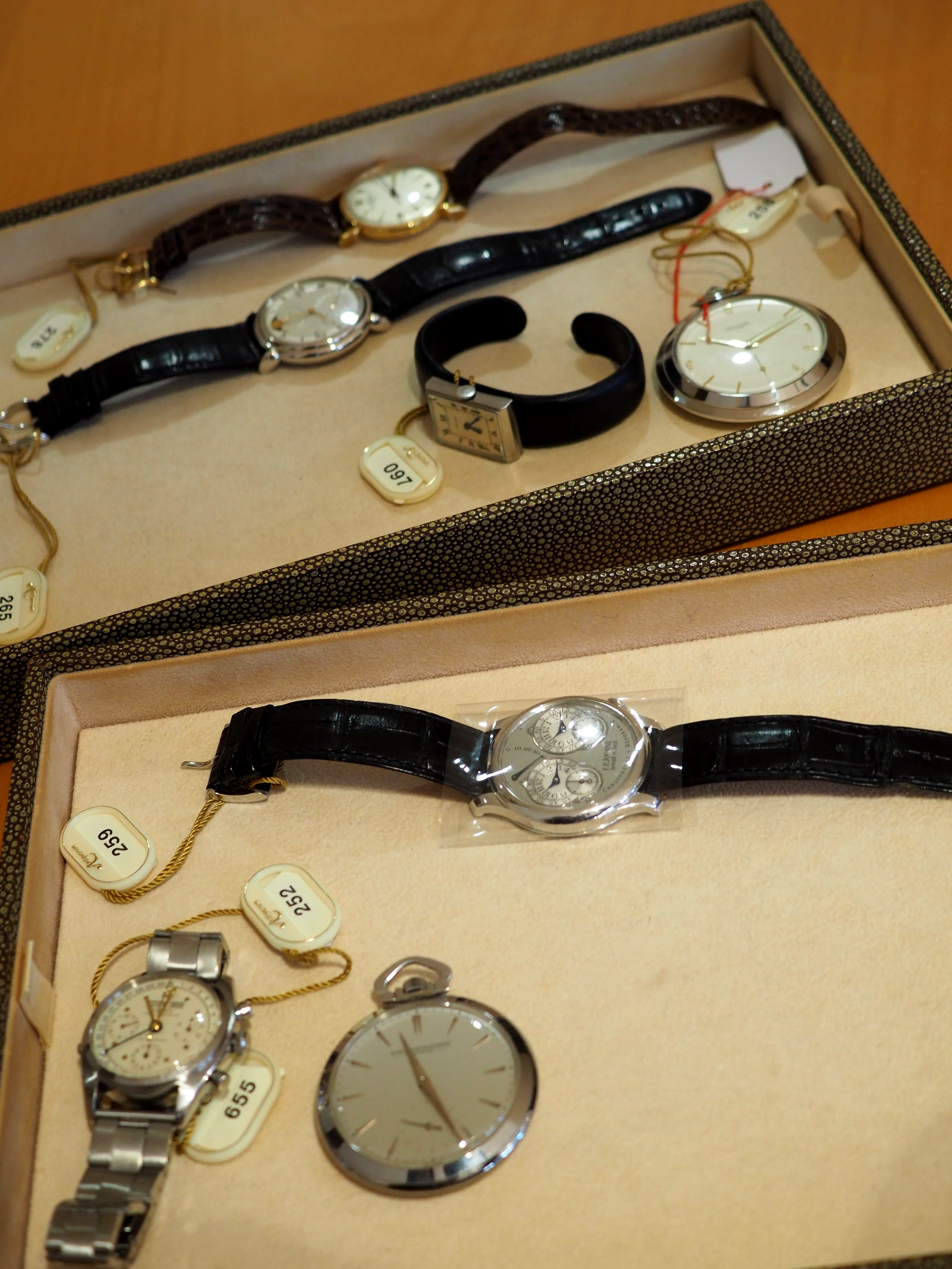
Knowledge was supposed to set us free. That was the implicit promise of the internet age as it arrived in the watch world, trailing Reddit and review sites and YouTube channels and eventually the infinite scroll of Instagram. For the first time in the history of horology, a collector sitting in Mexico City or Kuala Lumpur could access the same depth of information as a veteran dealer walking the floors of OMBAS. Reference numbers, production dates, calibre variations, historical auction results, secondary market premiums, expert rankings, brand trajectories. All of it available, constantly updated, endlessly discussed. The obstacle between a collector and a good purchase had been demolished.
And yet the modern watch enthusiast is, by almost any observable measure, more anxious about buying than ever before.
This is not a paradox once you look at it directly. Information does not only answer questions, but it also generates them. Every thread that explains why Reference X is worth buying also explains, with equal conviction, why Reference Y is the smarter choice. Every ranking that elevates one manufacturer implicitly degrades another. Every YouTube review that praises a watch's dial quality opens a comment section where someone notes that the lume application on recent examples has declined, that the rotor rattle is unacceptable at this price point, that you would be better served by looking at what the Swiss ateliers were doing a decade ago. The enthusiast who enters this ecosystem hoping for clarity often finds something closer to its opposite.
What has happened, slowly and without anyone designing it, is that the acquisition of a watch has become an exercise in risk management rather than an act of personal taste. The discourse does not simply change how you feel about a single reference, it changes your gestalt, the entire perceptual architecture through which you evaluate objects, until the community's hierarchy of taste becomes indistinguishable from your own. You stop being able to locate where the discourse ends and your preference begins.
That may be the defining challenge of contemporary collecting. The internet did not merely give collectors more information. It gave them more people to consult, more opinions to weigh, and more opportunities to outsource judgment. What begins as research gradually becomes a search for reassurance. The question that animates a serious purchase is no longer simply ‘do I love this watch?’ but something considerably more complicated: Will I regret this? Will the community respect it? Will it hold value? Will I look like someone who knew what they were doing?
Pleasure is still nominally the point. But the anxiety of getting it wrong has colonised the experience.
When I put this question to my Instagram, the responses varied in their specifics but converged on a single outcome. One collector bought a Czapek Antarctique and loved it until his local watch club responded with unanimous hate. He kept wearing it for months. But the comments stayed with him, quietly and persistently, until he sold it at a loss, no longer able to locate what he had originally felt underneath everything other people had said. That story, or some version of it, appeared again and again.
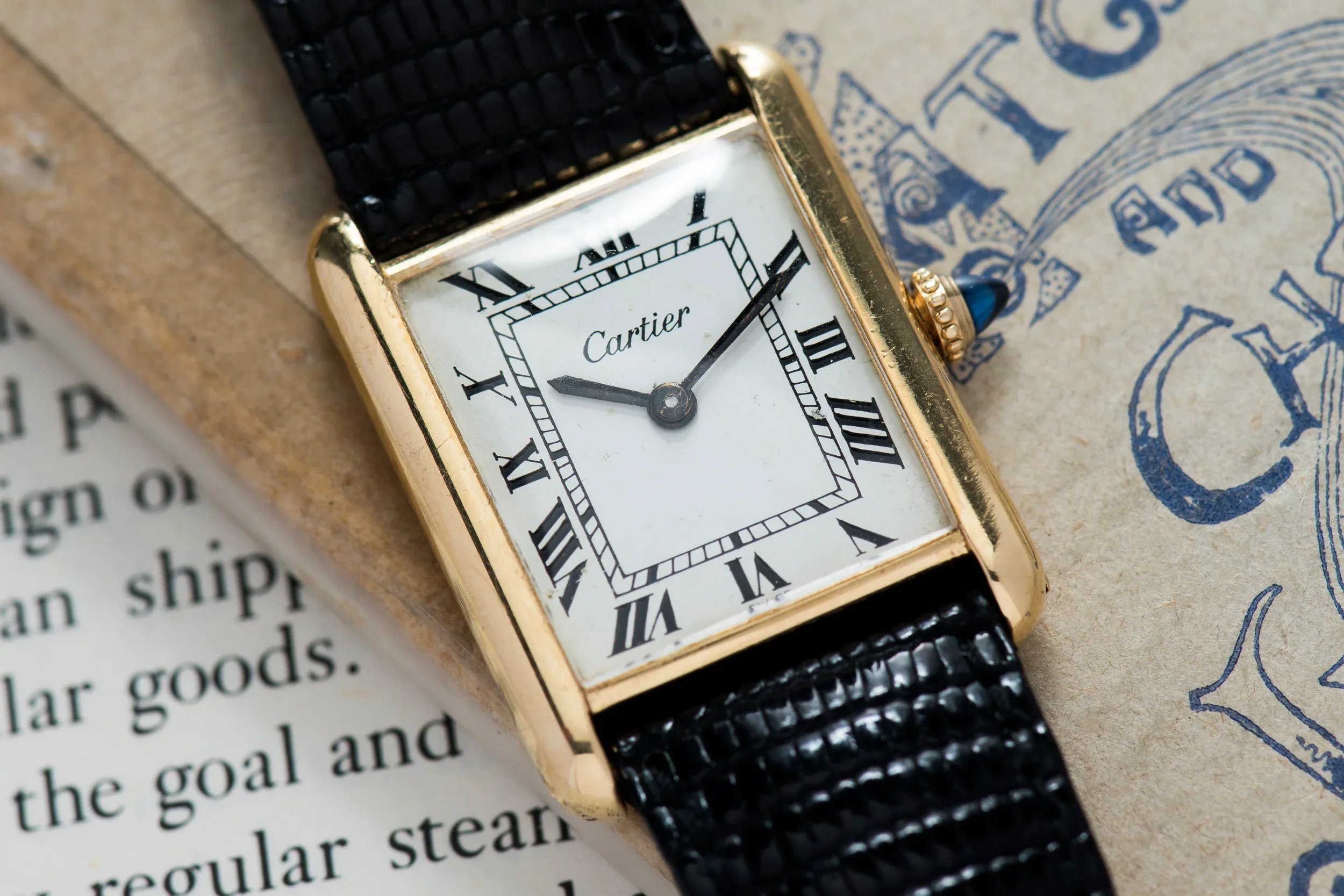
Image: Analog:Shift
Ron, one of the collectors I spoke with for this piece, bought a gold-plated 'Pre-Must' Cartier Tank about fifteen years ago and loved it with the kind of uncomplicated enthusiasm that is very difficult to recover once it is gone. He described feeling possessed by Andy Warhol when he wore it. Then an older, more experienced collector looked at it and called it fake. The word landed not as an aesthetic disagreement but as a verdict, and what followed was what Ron called a psycho-emotional imbalance that outlasted the watch itself. He sold it. The doubt migrated. From that point forward he skipped gold plated watches entirely, regardless of brand or design, a single opinion having restructured an entire perceptual category. Years later, even after vintage Cartier became one of the most celebrated areas of collecting, he found that those doubts still lingered. The watch never changed, but his confidence in his own taste did.
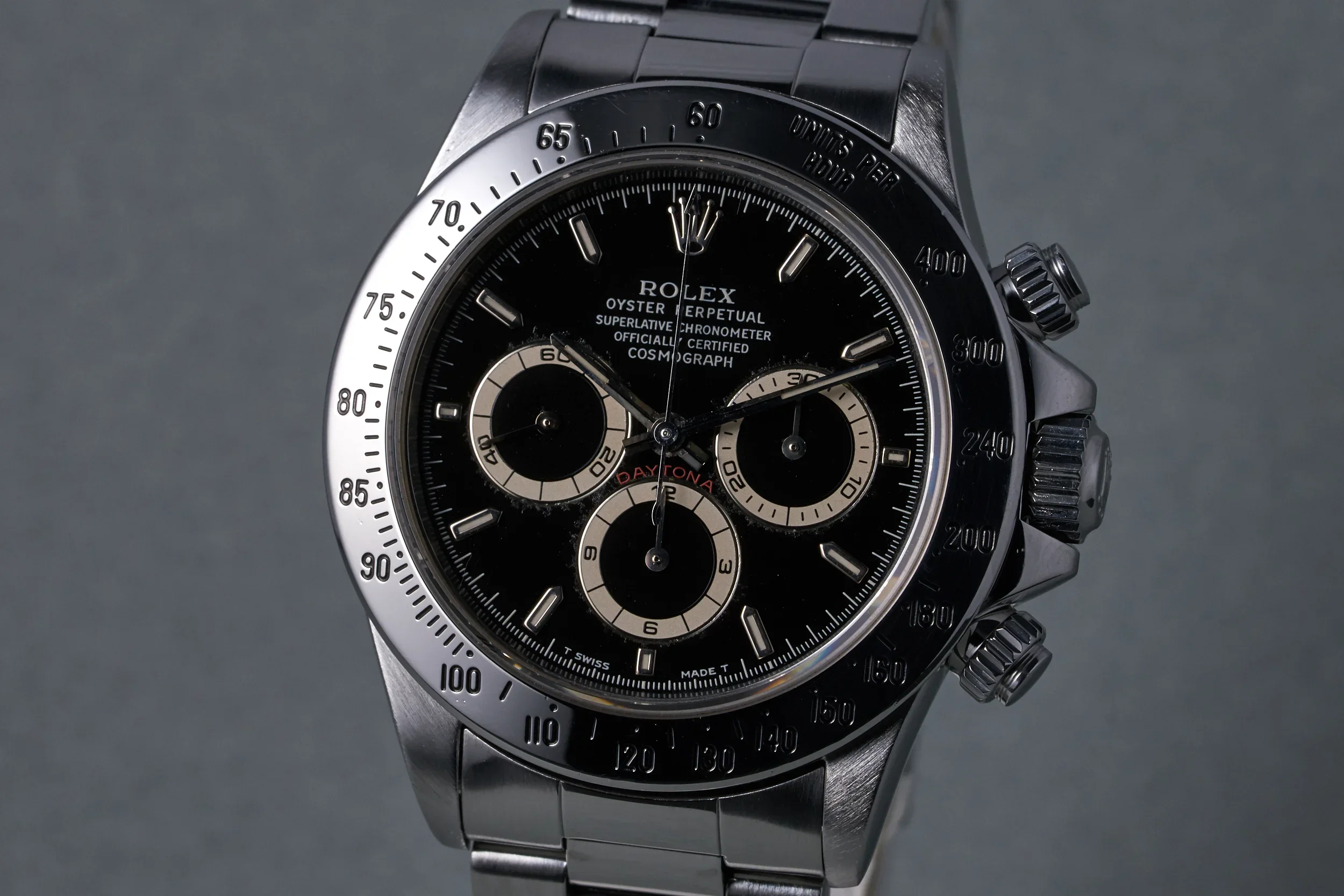
Image: Oyster Palace
However, not everyone sees influence as a form of distortion. Another collector I spoke to known as rwrwatches pushed back on the idea that external opinion replaces personal judgment. Referring to podcasts and commentary from dealers and reviewers, he pointed out that much of modern collecting education is built precisely on shared critique. "A lot of podcasts say things that are negative, which in a way makes my life easier," he said, citing examples like criticisms of bracelet construction on the 5711 or readability issues on certain series of black dial Zenith Daytonas that he might not have noticed without those conversations.
His argument was not that these opinions are always correct, but that ownership itself is informed by a mix of lived experience and accumulated external knowledge. "Everyone can be influenced by somebody," he said. "If they say they aren't, they're kidding themselves. You have to be at least influenced slightly." In this framing, influence is not a corruption of taste but part of how taste is formed in the first place.
The distinction worth pressing on, though, is between influence that sharpens your own looking and influence that gradually replaces it. The first teaches you to see. The second teaches you to seek permission.
Whether collecting now takes place in public is no longer really a question. Information once circulated through books, auction catalogues, and conversations between enthusiasts. Today it moves through platforms designed around visibility, engagement, and social feedback. The collector is no longer simply learning, they are also being observed.
If information changes how collectors think, social media changes how they perform.
Instagram in particular has transformed watch collecting into a visual competition with unclear rules and perpetually shifting goalposts. The watches that receive the most engagement are the ones that already fit a legible aesthetic, the ones whose owners have cultivated the right background and the right caption register and the right hashtag adjacency. The most dangerous thing social media does to the collector is not the overt display of wealth or status, though that is present. It's subtler than that. It teaches you to pre-evaluate your own purchases through the lens of how they will look to others. You begin to imagine the photograph before you own the watch.
The resale market then adds something social approval alone cannot: it makes the doubt feel objective. Secondary market data is now publicly accessible in near-real time, which means every purchase carries an implicit investment thesis. The result is that personal preference increasingly has to compete with market consensus. A collector may genuinely love a particular watch, but that affection now exists alongside a second calculation. Is the market validating the choice? Is the depreciation acceptable? Did I buy at the right time? The object becomes inseparable from the forecast attached to it.
A watch that holds its value is a smart watch. A watch that depreciates is a mistake, or evidence of poor judgment, even if it brings the owner genuine daily satisfaction. This framing is so pervasive that it has become difficult to argue against without sounding naive. Of course you should consider resale value. Of course it matters what the market thinks. The counterargument, which is simply that you are buying a watch to wear and enjoy and perhaps pass along someday, sounds like something you say when you cannot afford the watches that actually hold value.
What gets lost in all of this is something that was never supposed to be complicated, and that is the relationship between a person and an object they chose because they wanted it. That relationship, when it is functioning properly, is private and specific and largely indifferent to external validation. You know the watch is right because wearing it produces a feeling that has nothing to do with what anyone else thinks. You chose it because it resonates with something in your own history or your own sense of how you want to move through the world. The horological community did not make the choice and the horological community is not wearing the watch.
But the ecosystem of modern collecting makes this kind of private certainty very hard to sustain. Even after the purchase, the doubt follows. You read a thread where your watch is described as a compromise choice. You see someone post their version of the same reference with a better dial condition and feel suddenly dissatisfied with your own. The object that was supposed to bring pleasure has become a source of recurring low-grade anxiety. The watch does not become real until it has been photographed, posted, and received. The purchase does not feel complete until someone who knows more than you confirms that you did not make a mistake.
You are waiting, in a sense, for permission to enjoy what you already own.
The collectors who seem genuinely happy, who talk about their watches the way people talk about old friends rather than assets or status signals, are almost uniformly people who stopped treating the discourse as a governing authority. Most know the discourse perfectly well, but have simply stopped surrendering to it.
They wear obscure references that nobody would photograph. They bought the watch their father had, or the one they saw in a film at sixteen, or simply the one they could not stop thinking about despite multiple threads explaining why it was the wrong choice. They are, in the language of the community, people who 'missed' things: the right moment to buy, the right reference, the right brand. They are also, by every visible measure, having a much better time.
The watch world produces extraordinary objects. The accumulated craft of watchmaking, particularly in its vintage and independent corners, represents one of the most refined traditions of human making still actively practiced. That tradition deserves to be enjoyed on its own terms, which are terms of beauty and ingenuity and personal meaning. Bringing it into contact with the approval economy of modern social media does not elevate the objects or the enjoyment. It produces something more like a permanent performance review, one where the criteria keep changing and the reviewers are anonymous and the score is never quite final.
The biggest obstacle to enjoying your watch, in the end, might simply be your willingness to let other people's opinions become part of the experience. The watch does not know about the discourse. It keeps its time regardless.
