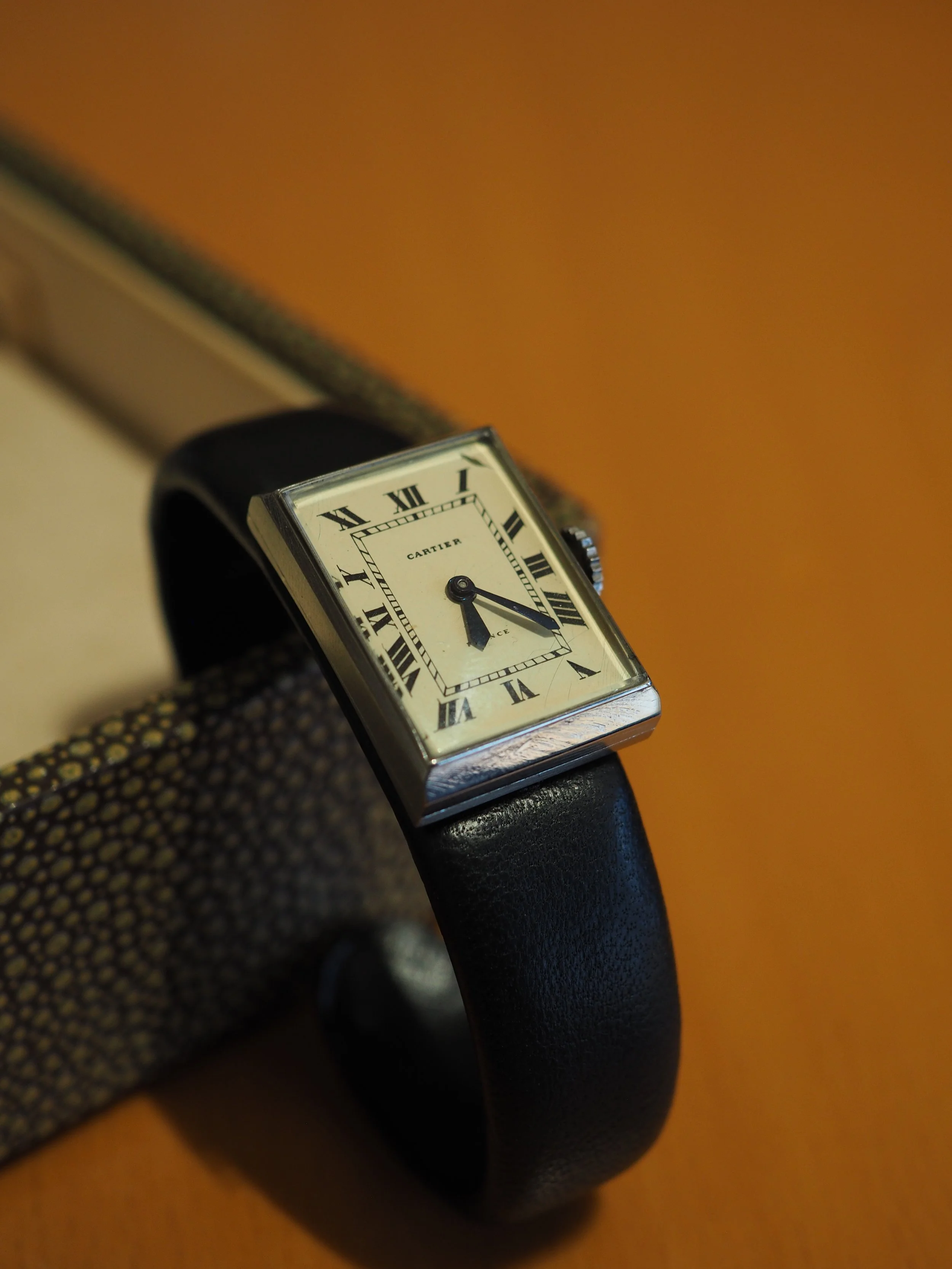
Thoughts + Photo Report: Geneva Watch Week
Something about arriving in Geneva in April never quite gets old. The lake is still cold, the mountains are still there doing what mountains do, and the watch industry is still convincing itself and everyone around it that this is the most important week of the year. The funny thing is, it actually is. Watches and Wonders 2026 came and went the way these things tend to go now, in a rush of steel and gold and horological superlatives, and when the last press kit had been handed out and the last canapé consumed somewhere near the Palexpo, what remained was a genuinely clear picture of where serious watchmaking is heading. I haven’t been doing this for a long time, but I know enough that trends are easy to overclaim. So let me just tell you what I saw, what I felt on the wrist, and what I think actually matters.
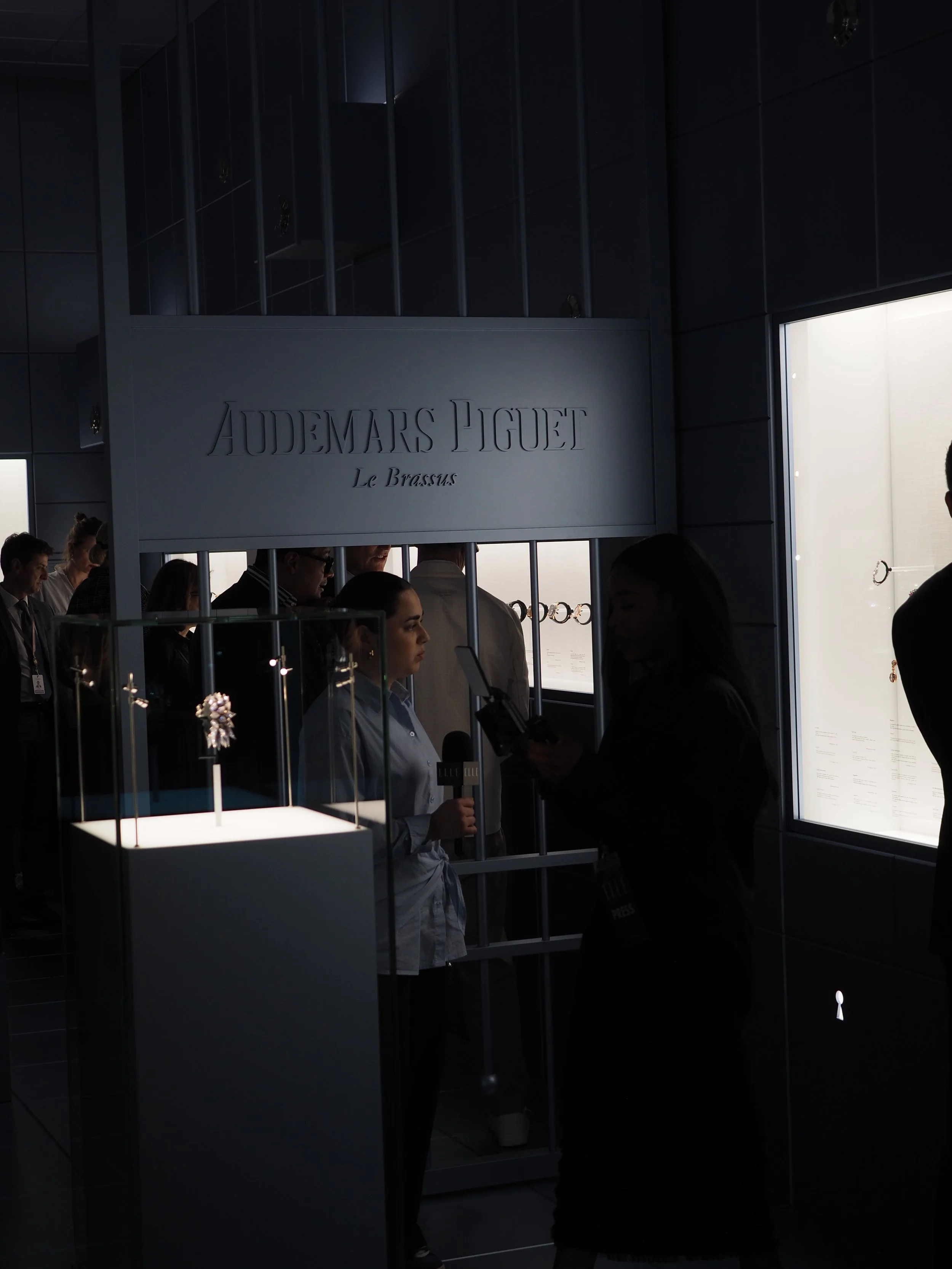
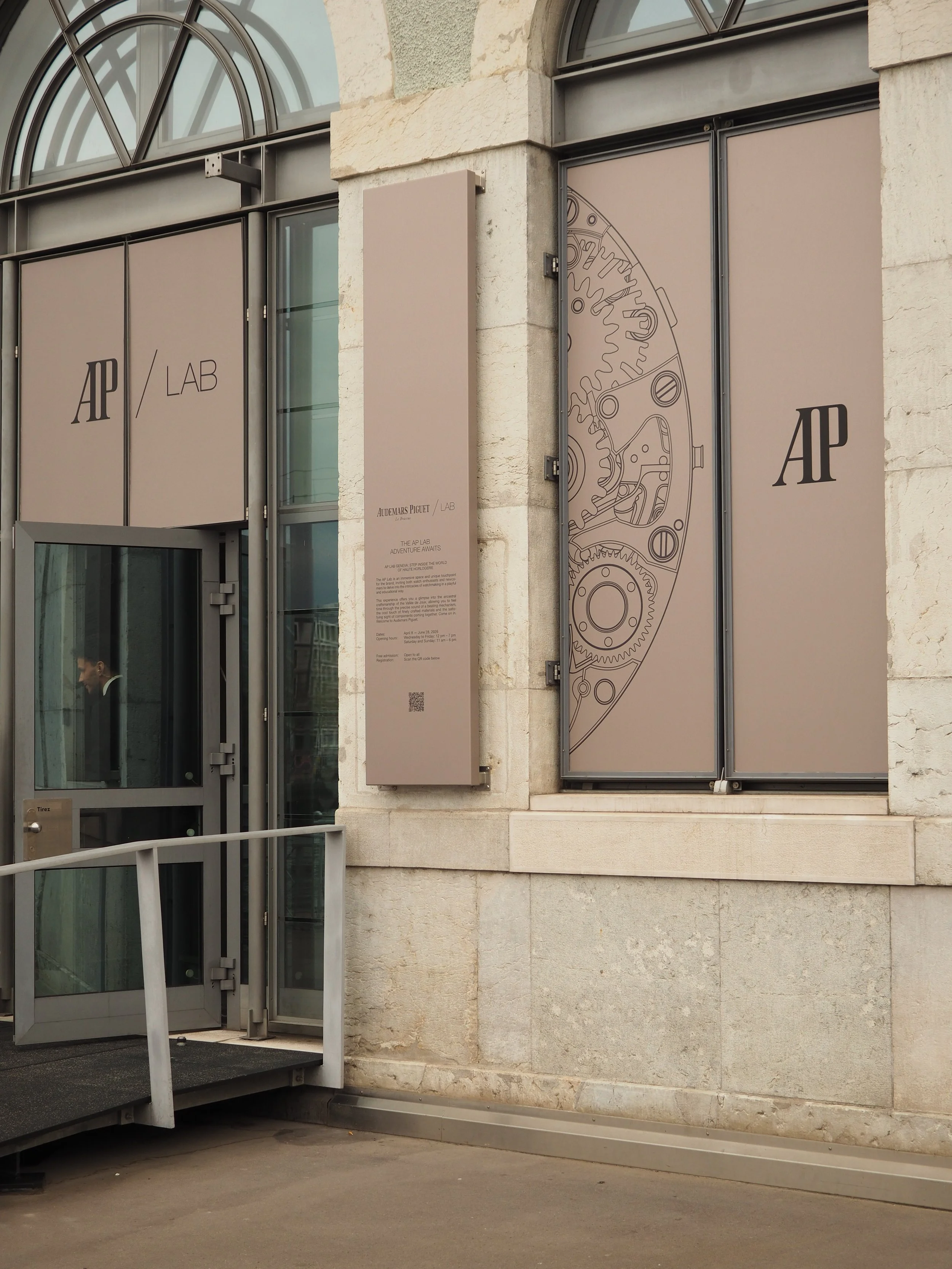
The first thing worth saying about this year is that the fair itself got bigger in ways that count. Sixty-five exhibiting brands made this the largest gathering ever organised under the Watches and Wonders banner in Geneva. The numbers alone would be sufficient for a press release, and indeed they were, but the more interesting story is in the texture of who showed up. Brands like Audemars Piguet and Credor joined the fold this year, and that is not a small thing.
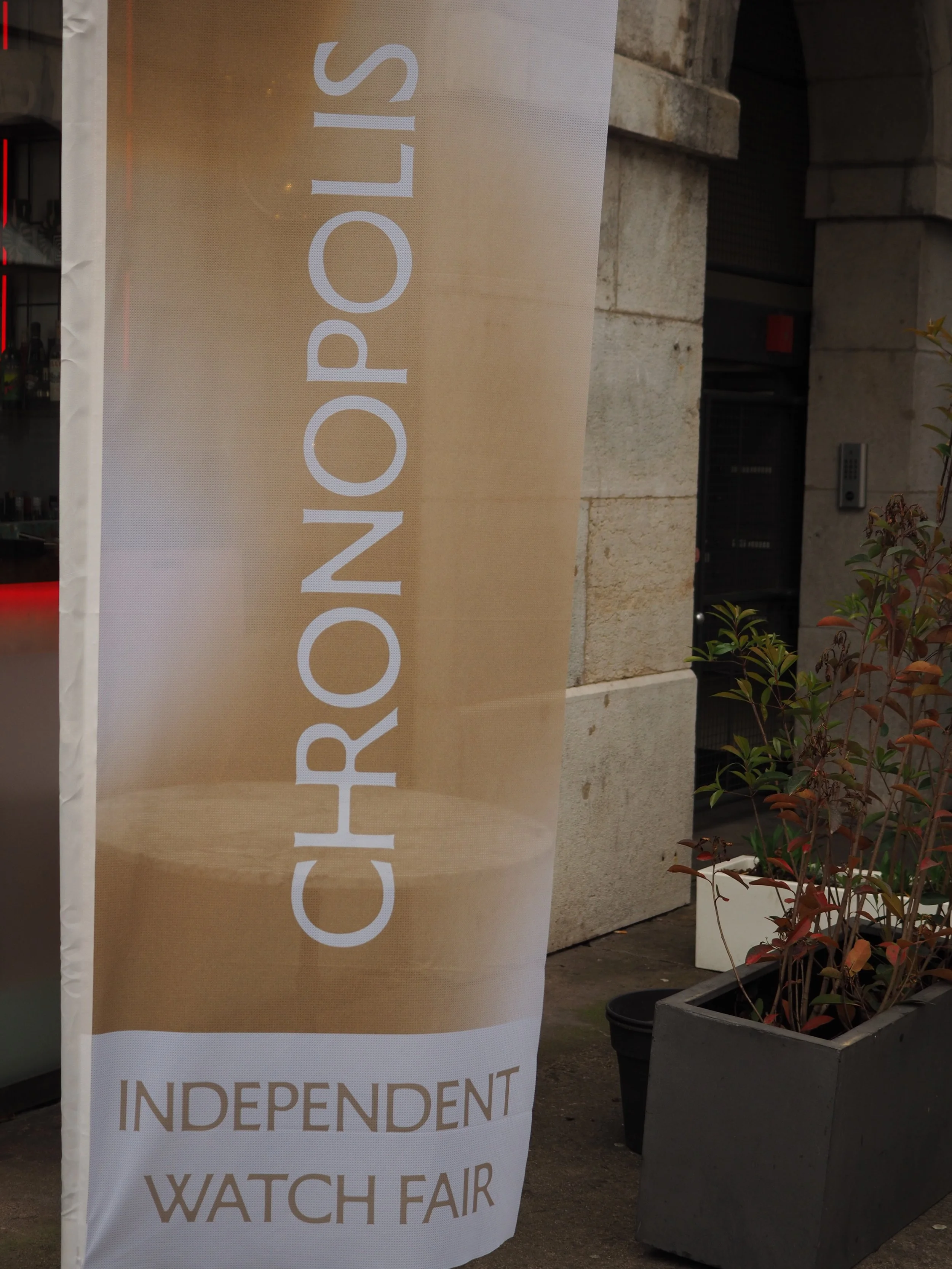
If you were in Geneva and you confined yourself to the Palexpo, you missed half the conversation. The inaugural Chronopolis show, situated in the heart of the city, was one of the genuine talking points of the week for anyone paying attention to where collector culture is moving. It joined an increasingly rich ecosystem of satellite events that has come to define what people in the trade are calling Geneva Watch Week. The AHCI, as ever, ran its own programme, and the group of independent horological creators that make up that collective continue to be the most reliably surprising corner of the watch world. If Watches and Wonders is where the industry presents its vision of itself, the AHCI is where individual makers present their visions of what watchmaking can do when freed from commercial pressures. The work shown under that banner in 2026 maintained the standard that the group has built over years, with complications that existed for the pleasure of the idea rather than the demands of a product roadmap.
Chronopolis felt different from the satellite shows that have orbited the main event in previous years. There was an intentionality to the curation, and a seriousness to the crowd that gathered there. Collectors who knew exactly what they were looking for stood alongside people discovering for the first time that a watch could be made by a single person working alone with files and a loupe and thirty years of accumulated knowledge. The vibe itself was less trade show and more dedicated gathering, and the brands and makers who chose to present there seemed to understand that the audience would be smaller but considerably more engaged. In a year where the main fair swelled to record size, Chronopolis reminded everyone that concentration and intentionality have their own power.
Now, to what was actually being made and shown, because that is ultimately what any of this is about.
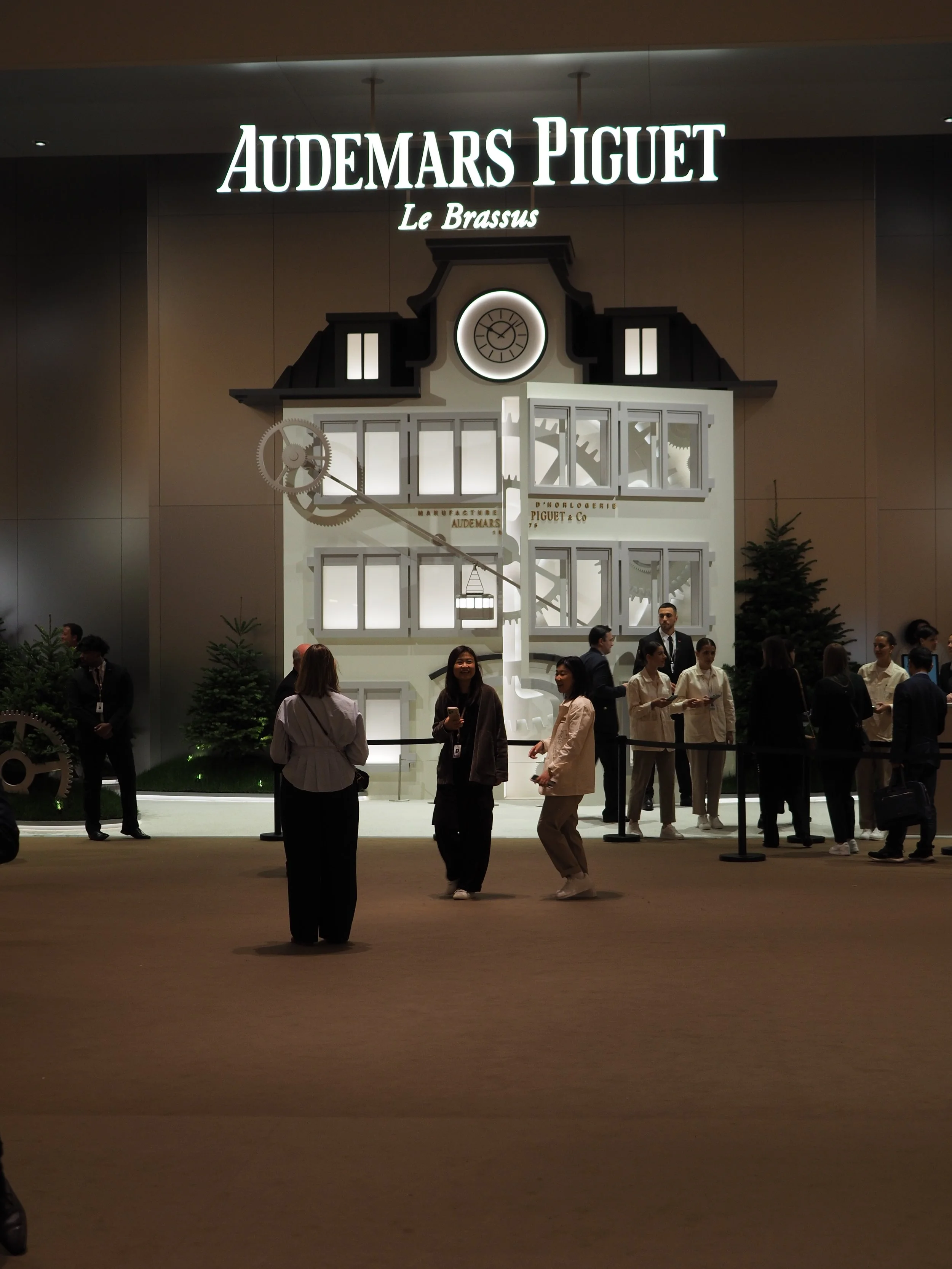
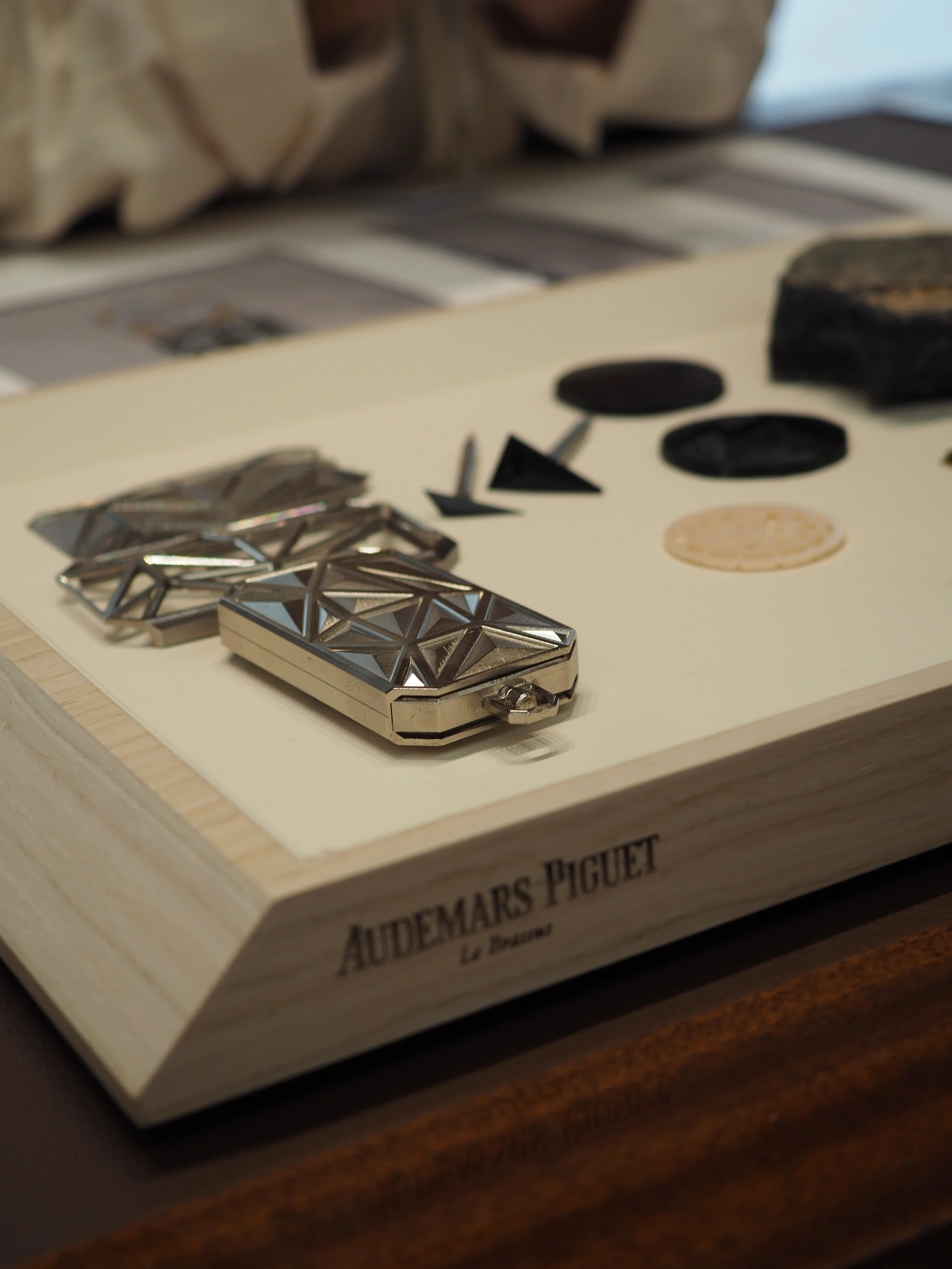
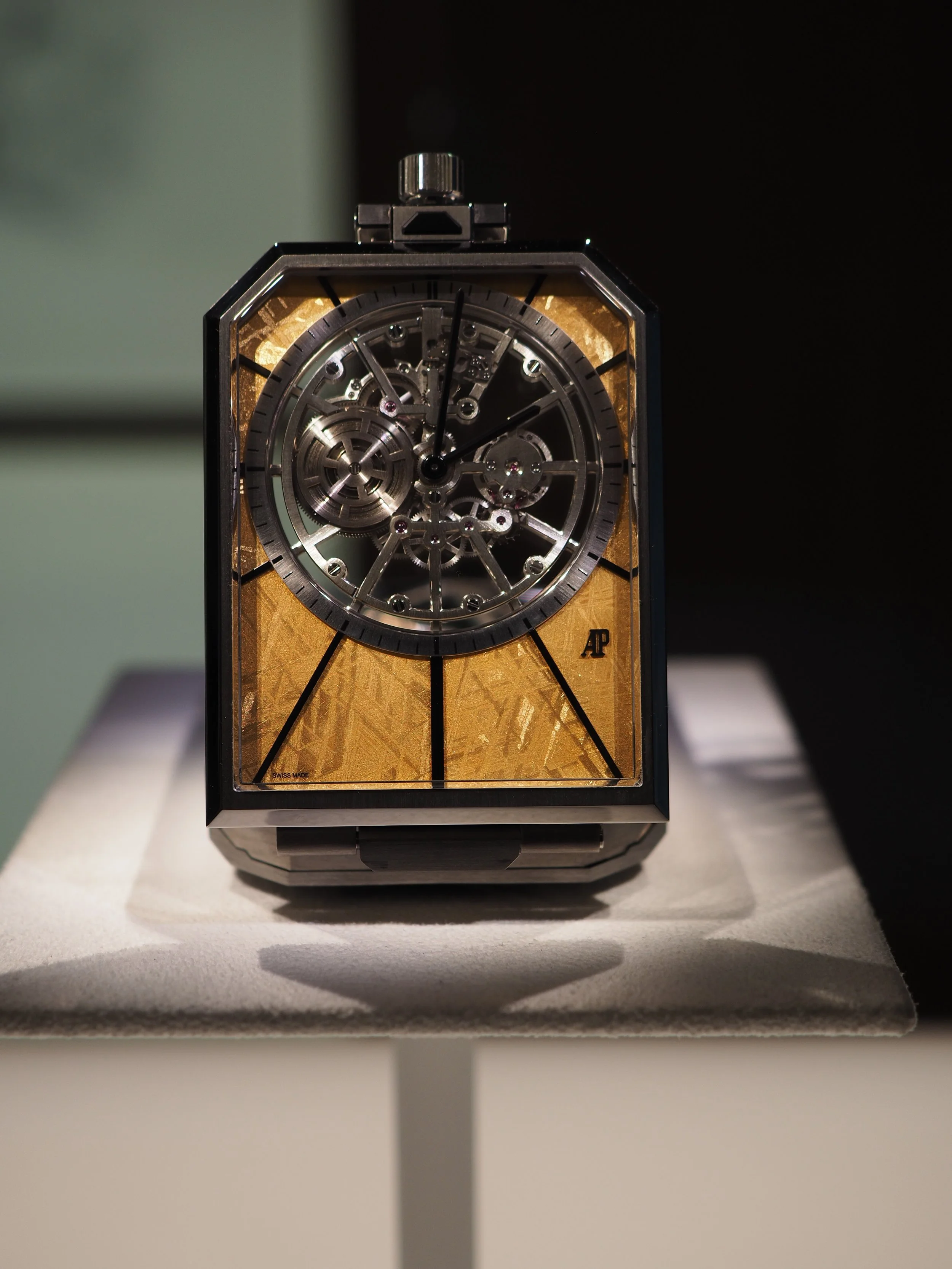
AP had long been its own island, holding its own events and doing things on its own schedule in a way that made sense when the brand was operating at the height of a Royal Oak frenzy. Joining Watches and Wonders in 2026 signals something about how the brand sees its position now, as part of a conversation rather than above it. The Royal Oak collection received measured, considered updates this cycle, with new dial treatments and movement refinements that spoke more to the loyal collector than to the hype-driven market. AP seems to be making a deliberate choice to deepen rather than expand, and the Watches and Wonders platform gave that positioning the right kind of gravitas. The booth itself was called the House of Wonders, and it functioned as a dedicated exhibition space paying tribute to the establissage tradition where artisans joined forces across workshops. You walked through it rather than past it. That is the kind of presence that justifies the decision to join the fair.
Speaking of booths: this year the physical spaces at Watches and Wonders mattered more than in recent memory, and they deserved to be taken seriously as a separate subject from the watches themselves. The brands with something real to say found ways to say it architecturally. Panerai, grounded as it is in diving heritage, built a stand that felt genuinely immersive, the kind of space where you understood the brand's relationship with the sea before anyone said a word about it. Van Cleef and Arpels went in a completely different direction and created what can only be described as a poetic garden, with a swing, where the experience of time seemed to decelerate entirely. It was theatrical in the best sense: the watches looked like they belonged in that world. Audemars Piguet's House of Wonders functioned less like a product showcase and more like a transmission of accumulated knowledge, which given the brand's 150 years of manufacture history, was exactly the right call. The point is that booths at Watches and Wonders have graduated from product display to brand argument, and the arguments being made this year were, on the whole, more sophisticated than usual.
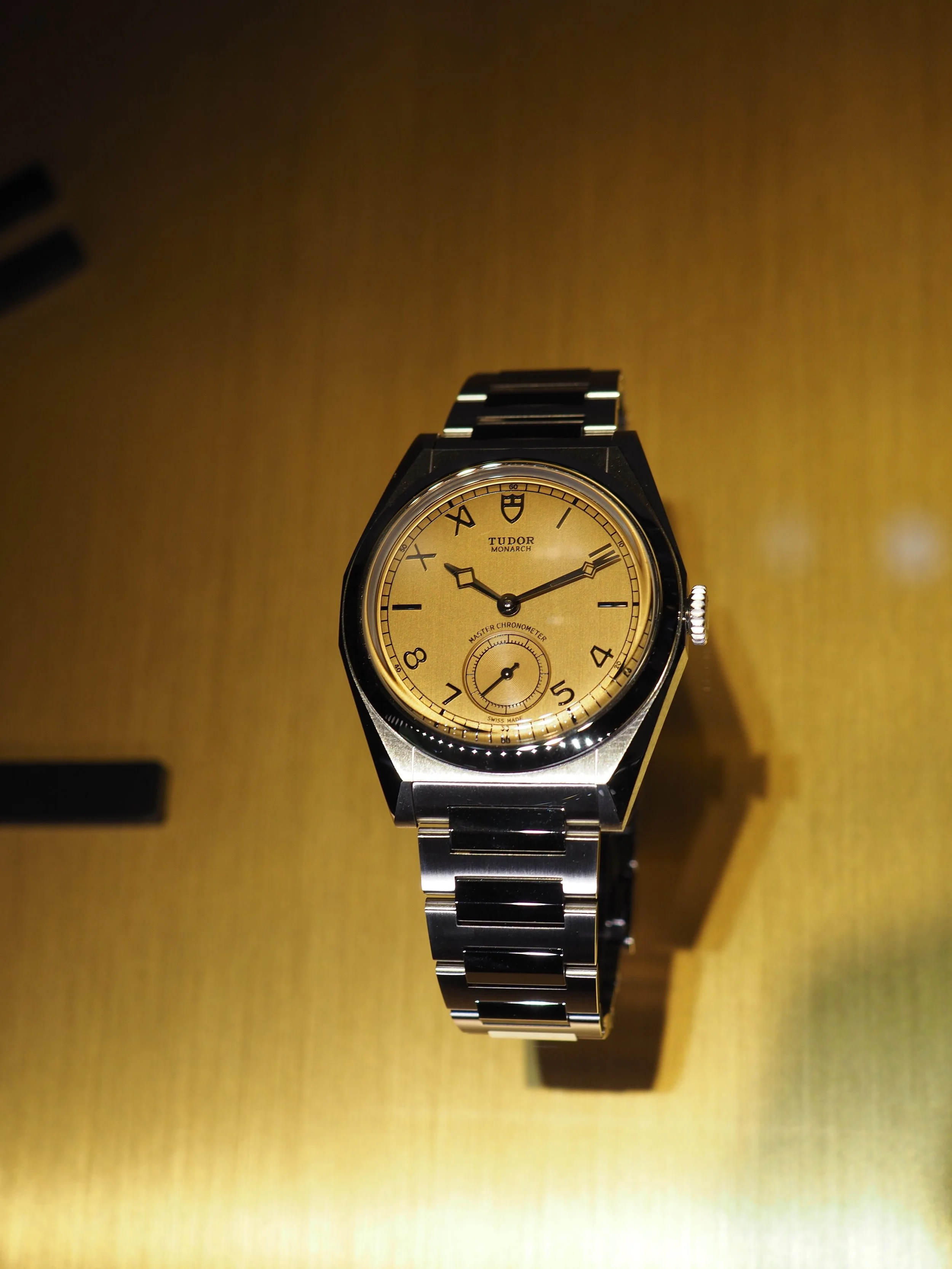
But if there was a single over-arching narrative thread running through the fair beyond the aesthetic trends, it was the return to icons. Brands leaning back into the things that made them worth caring about in the first place was visible across every price tier and every genre. Tudor, celebrating its centennial year, was in a commemorative mood, and the Monarch was the watch that carried the weight of that occasion. The case is barrel-shaped, 39mm, integrating into an H-link bracelet with the brand's T-Fit clasp, and the dial is a California configuration, Roman numerals at the top and Arabic at the bottom, the first time Tudor has brought that reading to the modern collection. The California dial has a long and specific history inside watch culture, associated with a certain kind of field and military watch aesthetic that predates almost everything the industry currently considers classic, and Tudor's decision to deploy it here felt like a brand reaching back into the deepest part of its own archive and pulling something forward with genuine conviction. The Monarch is not a complicated watch. It does not need to be. What it does is make a clear statement about where Tudor understands itself to have come from, and that clarity is its own kind of authority.
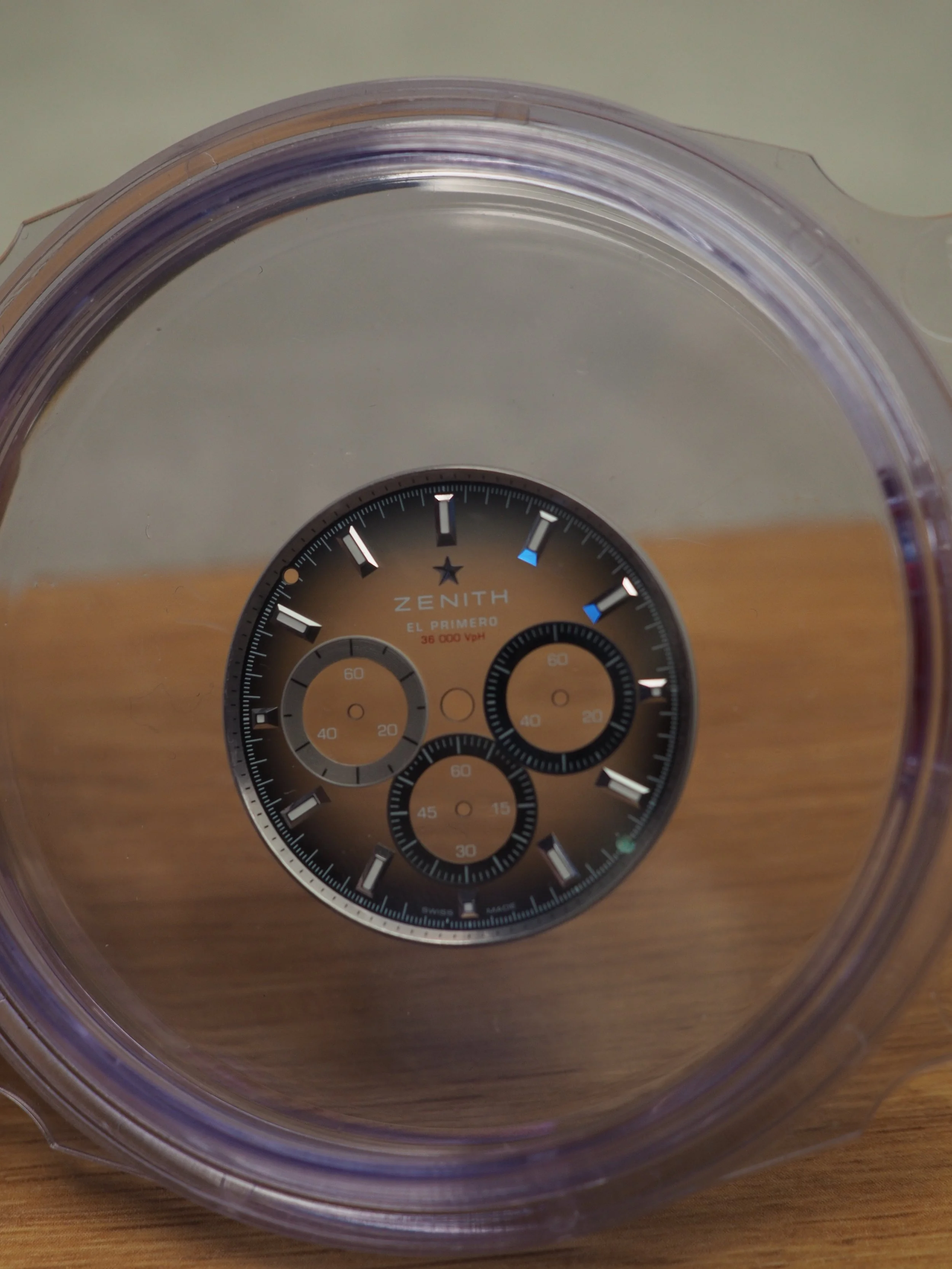
Zenith went deeper into its own foundational mythology than any other house at the fair, and the results were the most rewarding watch story of the week. The Le Locle manufacture showed four watches split across two collections, and every single one was aimed squarely at the people who already understand why Zenith matters. The Chronomaster Sport Skeleton was the headline, and it deserved the attention. Zenith has been building to this for years, and skeletonising the most iconic sports watch in its catalogue was a logical expression of everything the brand believes about its own movement. The El Primero 3600SK, stripped bare through a smoked sapphire dial that transitions from black at the periphery to transparent at the centre, beats at 5Hz and measures time to one tenth of a second. The central chronograph hand completes a full lap every ten seconds, and watching that happen through an open dial is genuinely one of the more arresting things a mechanical watch can show you.
Also, there is the G.F.J. collection, and this is where Zenith earned the most serious attention of the fair from the collectors and journalists who understand what they were looking at. Named after Georges Favre-Jacot, the brand's founder, the G.F.J. is the contemporary home of the Calibre 135, the hand-wound observatory chronometer movement that accumulated 2,333 chronometry awards and took five consecutive first prizes at the Neuchatel Observatory between 1950 and 1954. Nobody has matched that record since. Two new references landed this year. The yellow gold version, limited to 161 pieces, carries a bloodstone dial in green jasper whose natural red veining ensures that no two examples are identical. The peripheral guilloché sector was inspired by the brick facade of the Zenith manufacture building in Le Locle. At its core, the Calibre 135 beats at 2.5Hz, delivers 72 hours of power reserve, and is COSC-certified to plus or minus two seconds per day. The tantalum version goes further still: limited to 20 pieces, its black onyx dial is punctuated by eleven baguette-cut diamond indexes, and tantalum itself, dense and rare and notoriously unforgiving to machine, makes the engineering behind the case as much a statement as the dial. This is a watch that required mastery at every stage of production, and the final object carries the weight of that effort in the most literal sense.
The ZENCLASP deserves its own paragraph because it represents exactly the kind of thinking the watch industry does not always credit enough. Zenith spent three years and approximately 1,800 hours developing a new patented folding clasp for the steel Chronomaster Sport models. The mechanism comprises 41 individual components and has been validated through simulations exceeding 600,000 cycles, which corresponds to more than a decade of real-world use. The micro-adjustment system allows the wearer to resize the bracelet in 2.5mm increments across a total range of 10mm, without tools, and without removing the watch from the wrist. This is the kind of engineering that matters to someone who actually wears their watch every day, whose wrist expands slightly in warmth and contracts slightly in cold, who has spent years fighting with clasps that either lock in too tight or drift too loose. That Zenith chose to solve that problem with the same rigour it applies to movements says something worth hearing about the brand's priorities.
Skeletonisation was everywhere across the fair, and Zenith's Chronomaster Sport Skeleton was only the most concentrated expression of a broader trend. Jaeger-LeCoultre, TAG Heuer, and Hermes were among the houses exploring open-worked and skeletonised dials with genuine craft and thought behind them. The difference between skeletonisation done as spectacle and done as statement is meaningful, and the best examples at the 2026 fair leaned toward the latter. What is driving this is a collector base that has been educated, that knows what it is looking at when a movement is exposed, that wants the work to be visible because it understands what work looks like. A skeletonised watch aimed at that audience has to be finished to the same standard on every visible surface, which raises the bar considerably. The pieces that met that bar at this year's fair did so with confidence.
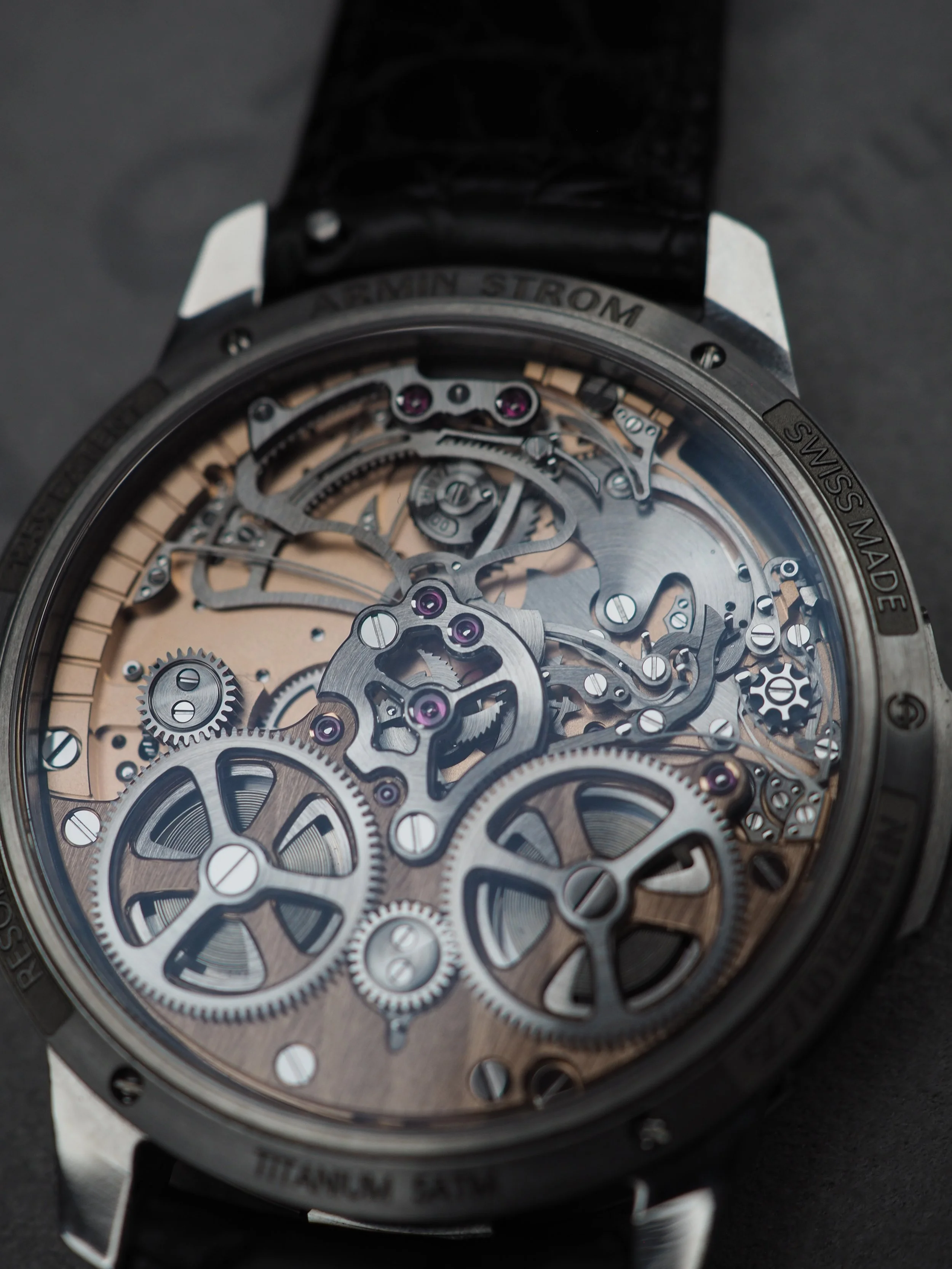
The Armin Strom Minute Repeater Resonance 12:59 deserves its own treatment, because it was genuinely one of the technical highlights of the week regardless of category or price tier. Armin Strom has been developing its acoustic and resonance work with a seriousness that has been evident for years, and this latest minute repeater brought that accumulated knowledge to bear in a way that made the final product sound extraordinary. Sound is the complication that watch photography cannot capture, and minute repeaters live or die by what they do to the air around them. This one did something exceptional to the air around it. The chiming was clear, tonally balanced, and had a sustain that speaks to both the quality of the gongs and the resonance properties of the case. The movement itself, visible through the dial, was finished to a standard that would have been remarkable in a house three times the size. Armin Strom remains one of the most interesting independent operations in Swiss watchmaking, and this minute repeater was the kind of piece that converts the curious into the committed.
However, the broader technical story of the year at Watches and Wonders was one of deepening rather than reinventing. Across the major houses, the releases that resonated most were the ones that took something already working and made it work better, or made it available to a wrist that had previously been excluded. Bulgari's Octo Finissimo line got a 37mm iteration, with a movement reduced in volume by twenty percent to accommodate the smaller case. The result is a watch that carries all the architectural drama of the original at a scale that opens the collection to a far wider range of wearers. The ultra-thin philosophy that Bulgari has pursued for years produced a piece that felt almost impossibly light on the wrist, which is its own kind of technical achievement.
On top of that, Parmigiani Fleurier brought genuine cleverness to the floor with the Tonda PF Chronograph Mysterieux. At a glance it read as a clean three-hand watch, which is how it was intended to read. Press the monopusher at 7:30 and the chronograph hands appeared from nowhere, ran their function, and then vanished again. The mechanism behind this effect is a world first according to the brand, and there is no particular reason to dispute the claim. The delight of the piece was in the gap between expectation and revelation, in the way it rewarded close attention.
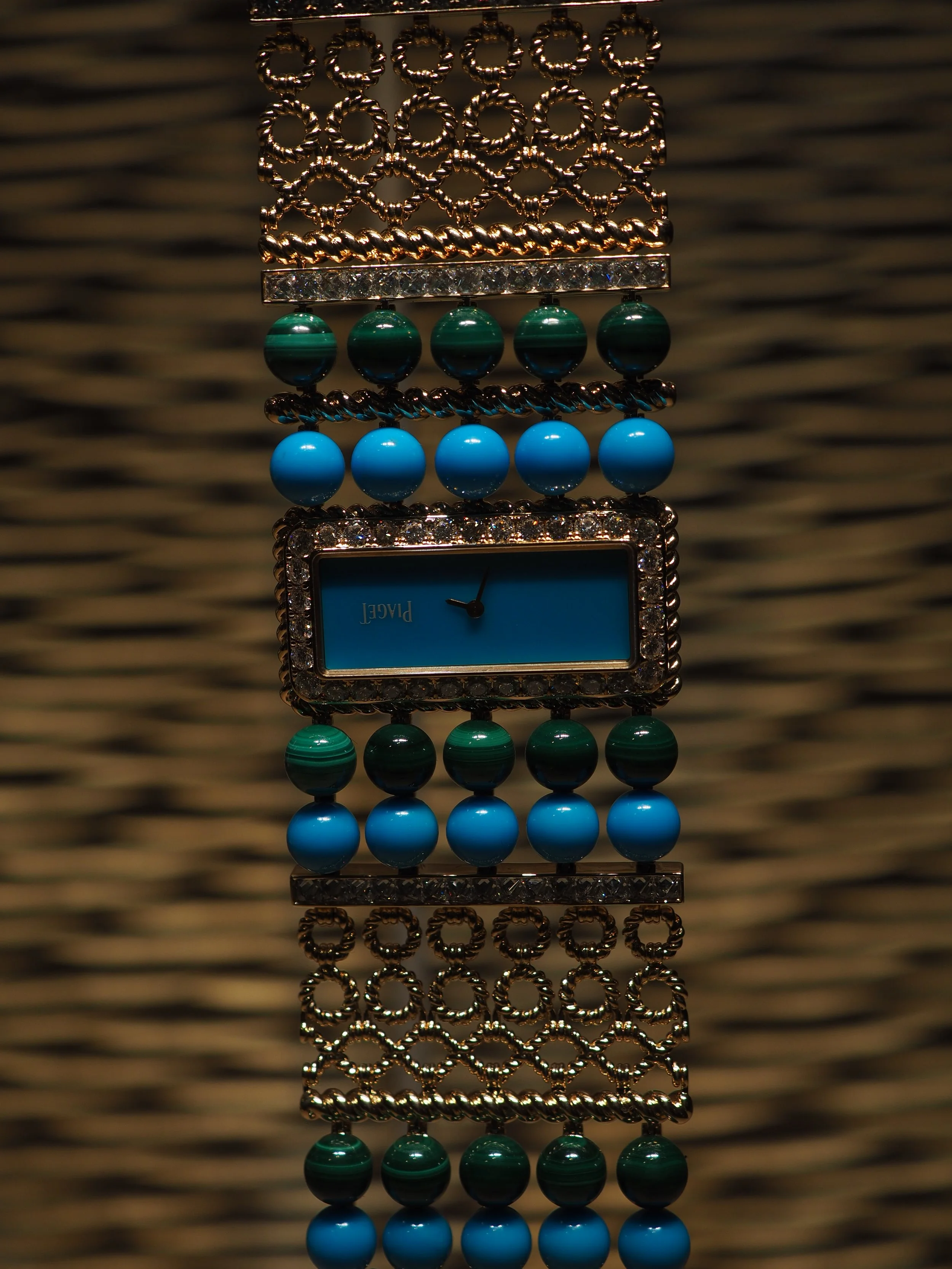
Stone dials and mother-of-pearl were genuinely still ubiquitous across the week. Sodalite, malachite, carnelian, onyx, and bloodstone appeared on dials across houses at every level of the market. The G.F.J. made the strongest case for the format: a dial that is unique on every single piece because the stone it is made from is unique on every single piece. That is the kind of individuality that manufactured luxury struggles to provide and that nature provides freely. The appeal is obvious and the execution, when done well, justifies the material choice rather than hiding behind it.
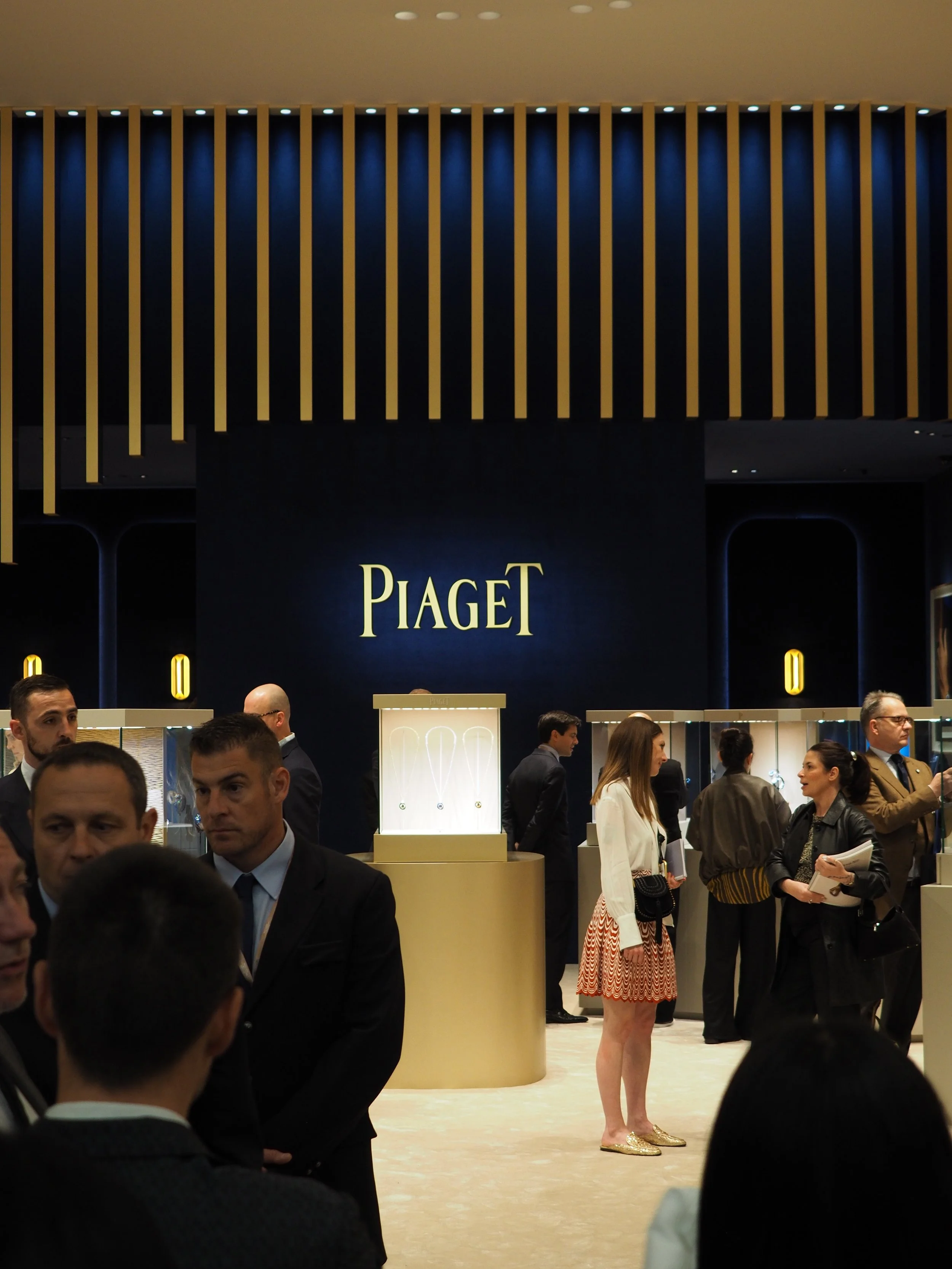
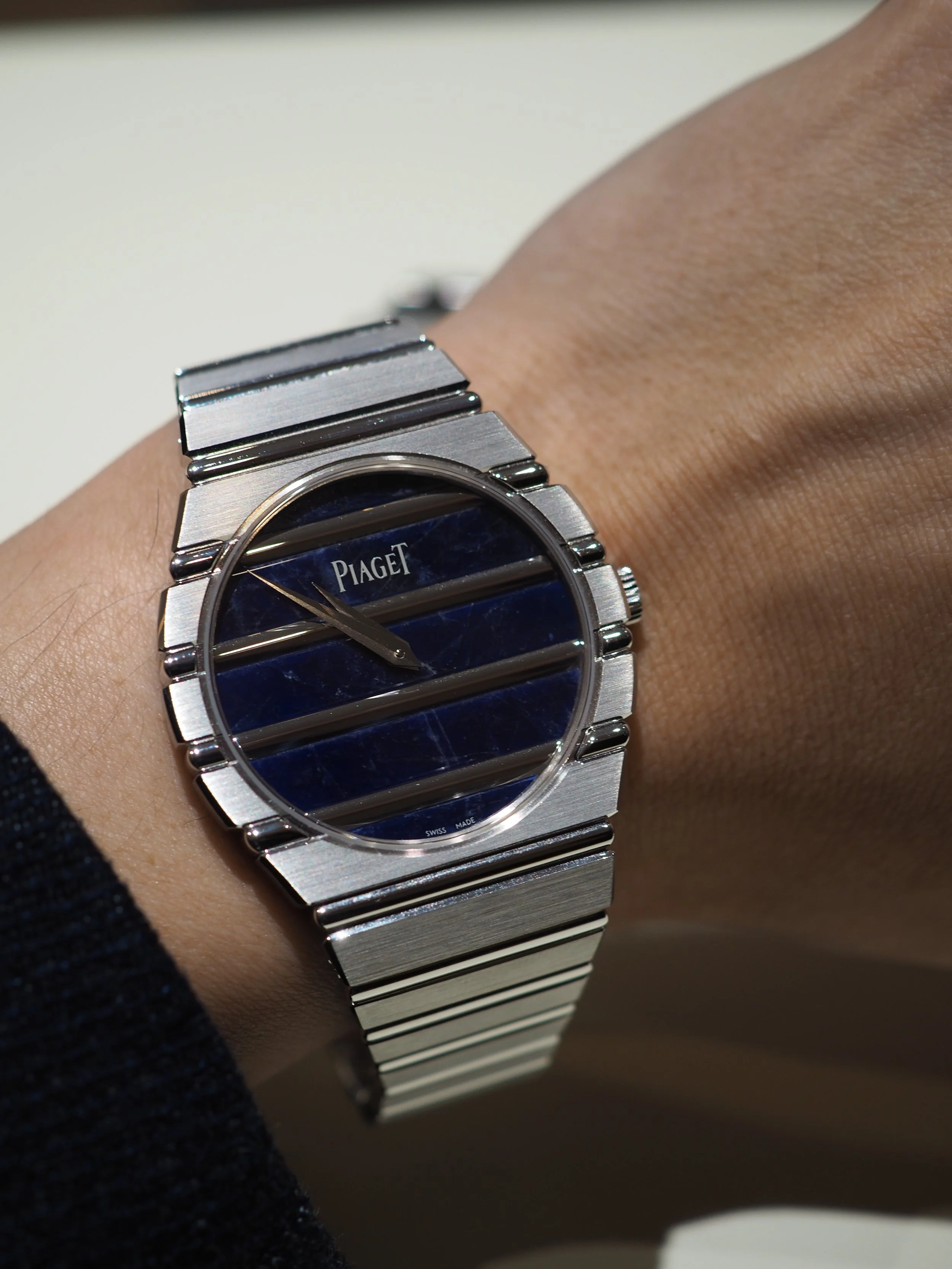
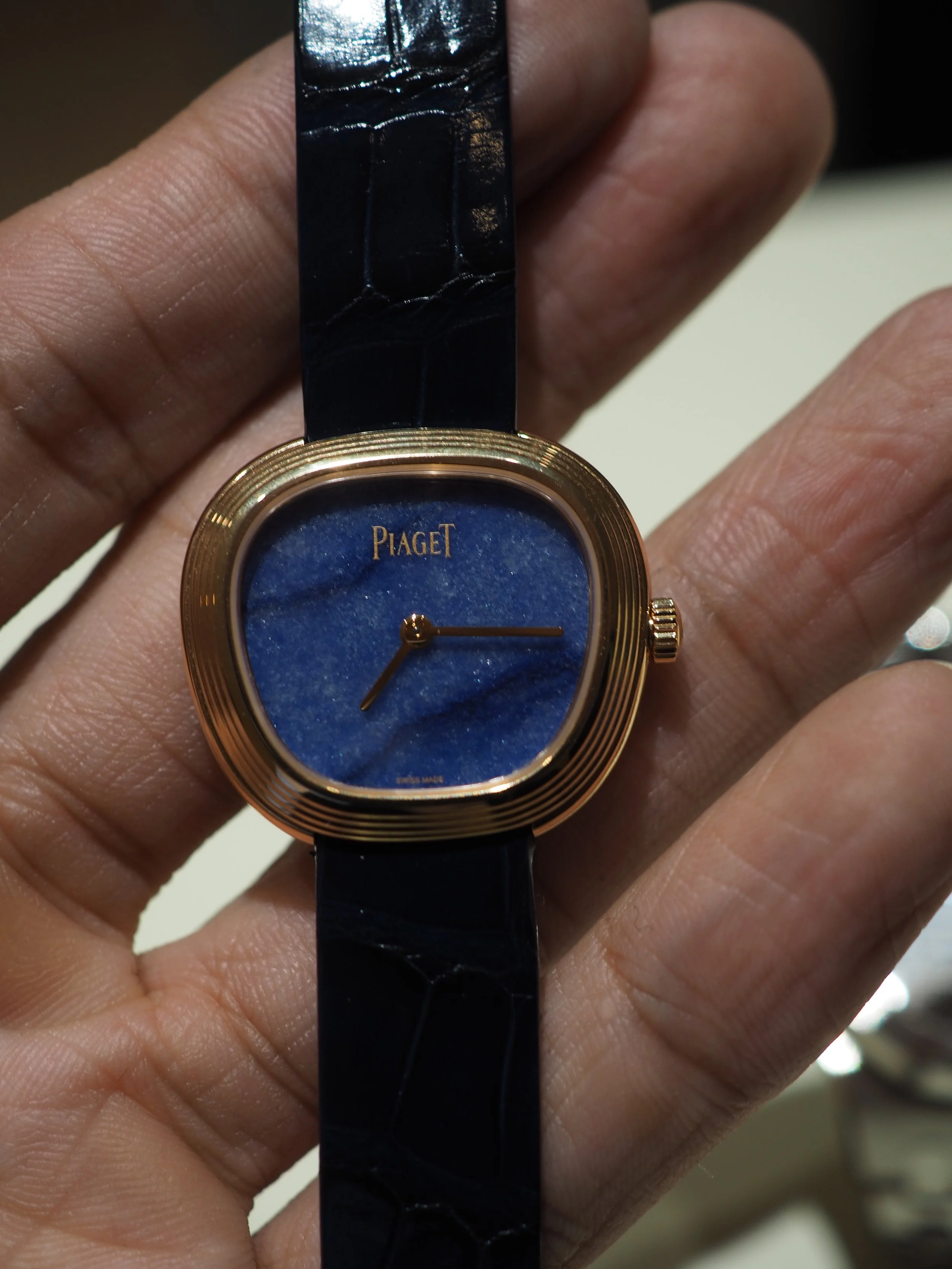
Piaget's contribution to this year's fair was confident to the point of being unconcerned with fashion. The Polo 79 received an ornamental sodalite dial for the first time in the contemporary range, the deep royal blue of the stone playing against the mirror-polished gold gadroons in a way that feels inevitable and entirely right. The Sixtie evolved with new blue alligator strap versions whose trapezoid ardillon buckle carries the same hand-etched gadroon decoration as the bezel, a consistency of detail that few brands would bother with and that feels completely natural on a Piaget.
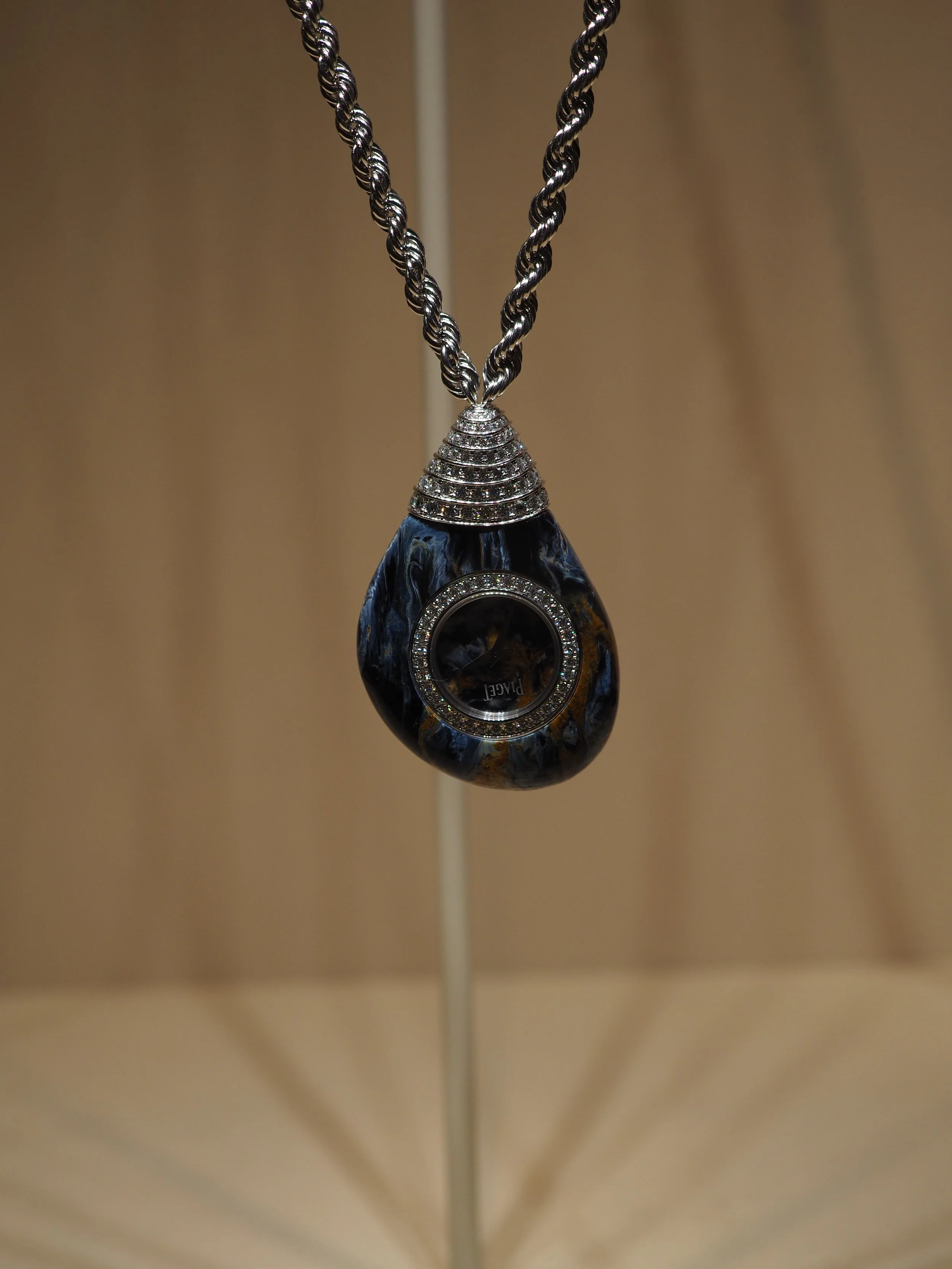
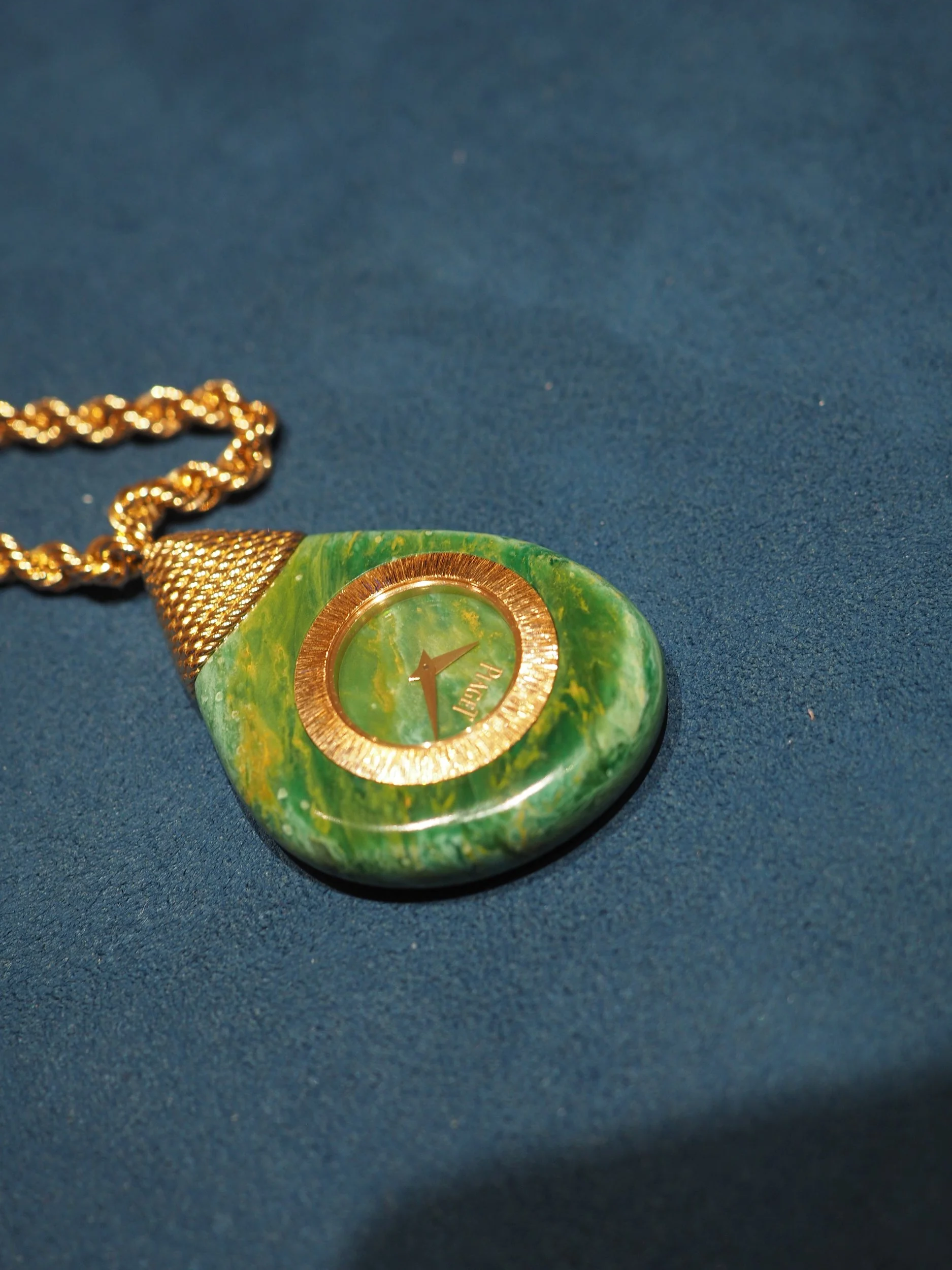
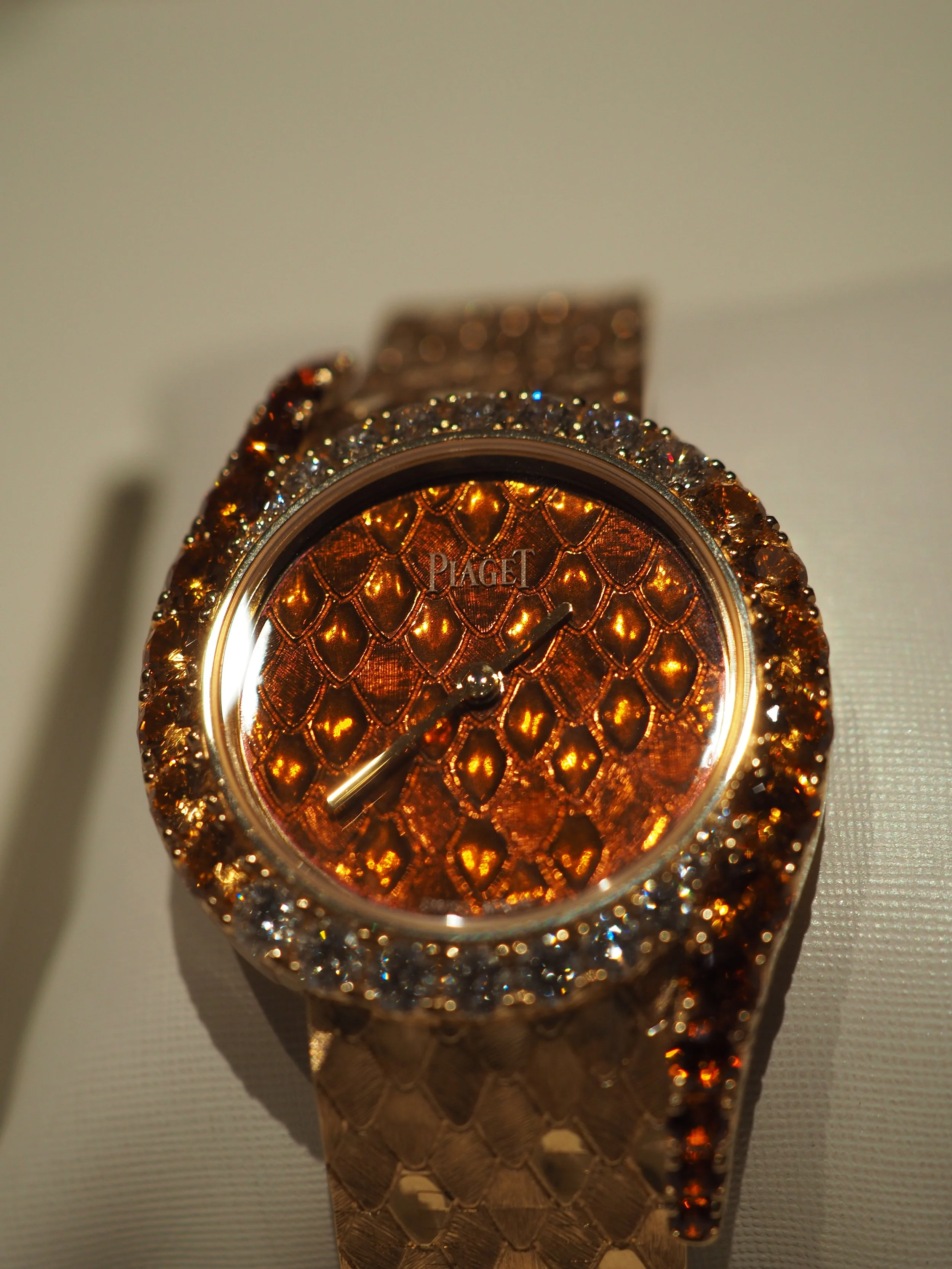
The headline, for me though, was the Swinging Pebbles. Three pendant sautoir watches, each carved from a single slice of ornamental stone: tiger's eye in yellow gold, verdite in rose gold, pietersite in white gold with a diamond-set case. The stone is not the dial, or the case material, or a decorative element applied to the exterior. The stone is the entire object. Each one is sliced, hollowed just enough to house a Piaget manufacture movement inside, then sealed back into a smooth, seamless pebble form with no visible join between case and dial and material. The resulting object hangs from a hand-twisted gold chain and was, when you held it, warm to the touch in a way that metal watches never are. The concept pulls directly from Piaget's own 1969 21st Century Collection, the year Yves Piaget challenged his team to do what had never been done before and they produced sautoirs worn around the neck rather than the wrist. The 2026 version also references a lesser-known antecedent, the asymmetric kimono pocket watches of 1974, smooth and organic and designed to rest in the palm. The Swinging Pebbles are not a nostalgia exercise. They are what happens when a house with sixty years of stone fluency applies that knowledge to an object that has no obligation to look like anything else in the watch market.
What Watches and Wonders 2026 added up to, in the end, was a year in which the watch world seemed genuinely comfortable with itself. The frantic years of waiting lists and flipped steel sports watches feel further away now than the calendar distance might suggest. What is replacing that energy, slowly and unevenly but unmistakably, is something that looks more like the hobby in its best form: serious people making extraordinary objects for other serious people who want to understand them. Chronopolis sitting at the center of the city while sixty-five brands filled the Palexpo is the picture of a world that has room for everything at once, from the accessible worldtimer to the hand-finished minute repeater, from the skeletonised open-heart to the perfectly legible annual calendar. The AHCI kept doing what it always does, which is demonstrate that the individual imagination applied with discipline and craft produces things that committees never could.
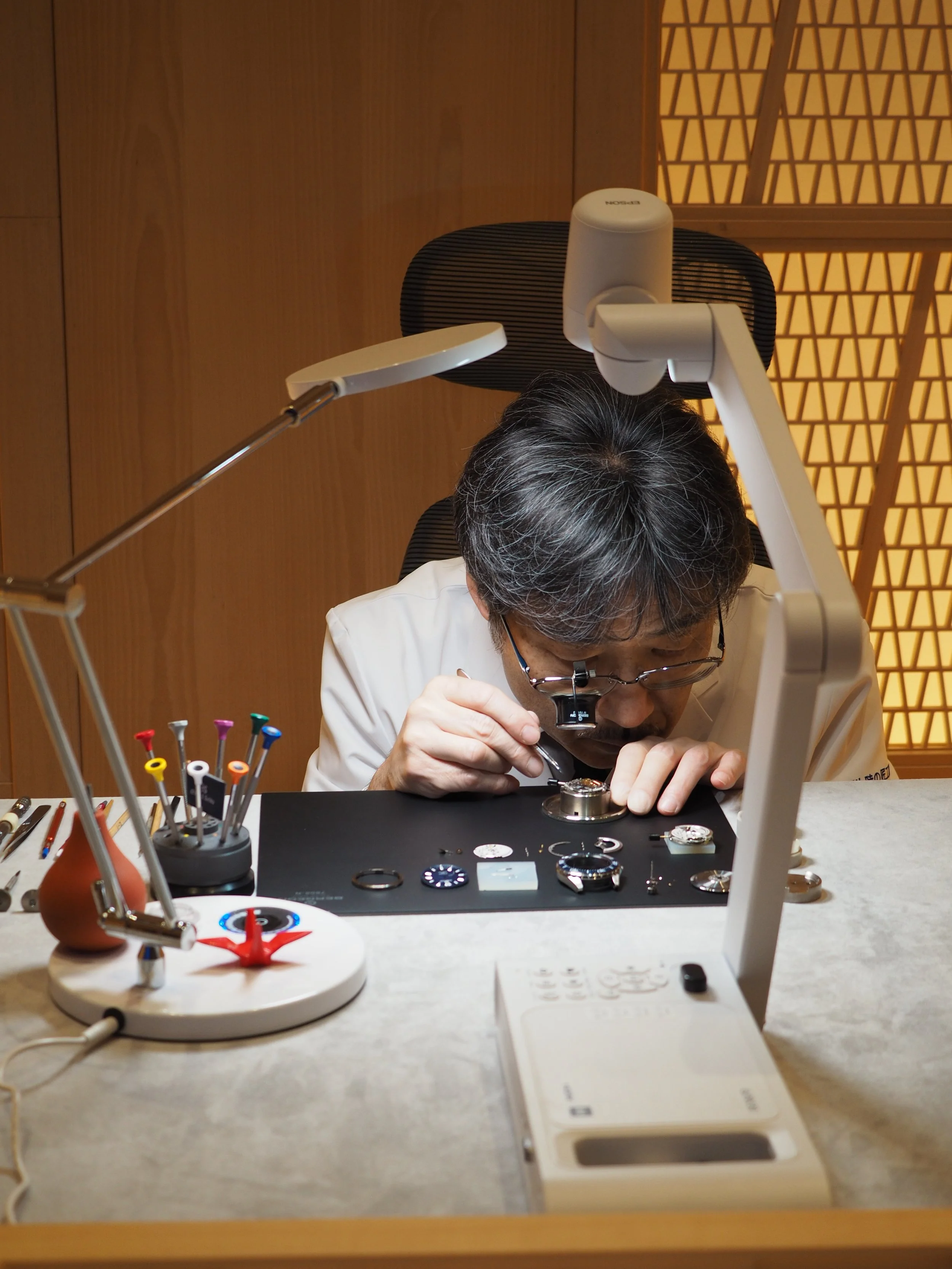
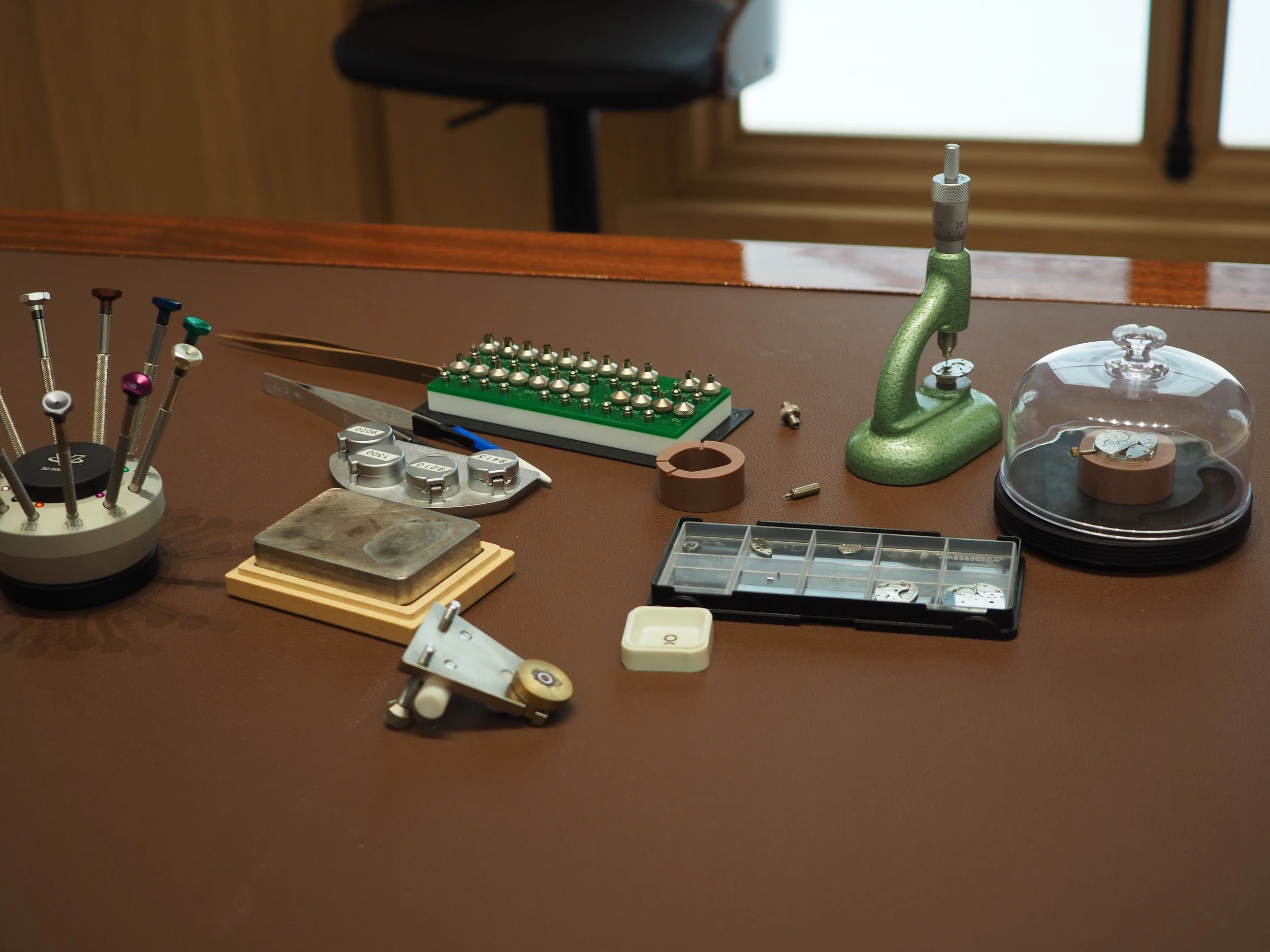
When the conversation gets wider, it tends to get richer, and Geneva Watch Week in 2026 was richer than most recent editions. From the floor of the Palexpo, from the immersive architecture of the brand booths, and from the basement at L’iceBergues, where someone was demonstrating a tourbillon they had made largely by hand over four years, the state of the watch world in April 2026 looked, against reasonable expectation, pretty good.
Anyway. Here are some things I saw when I was there:
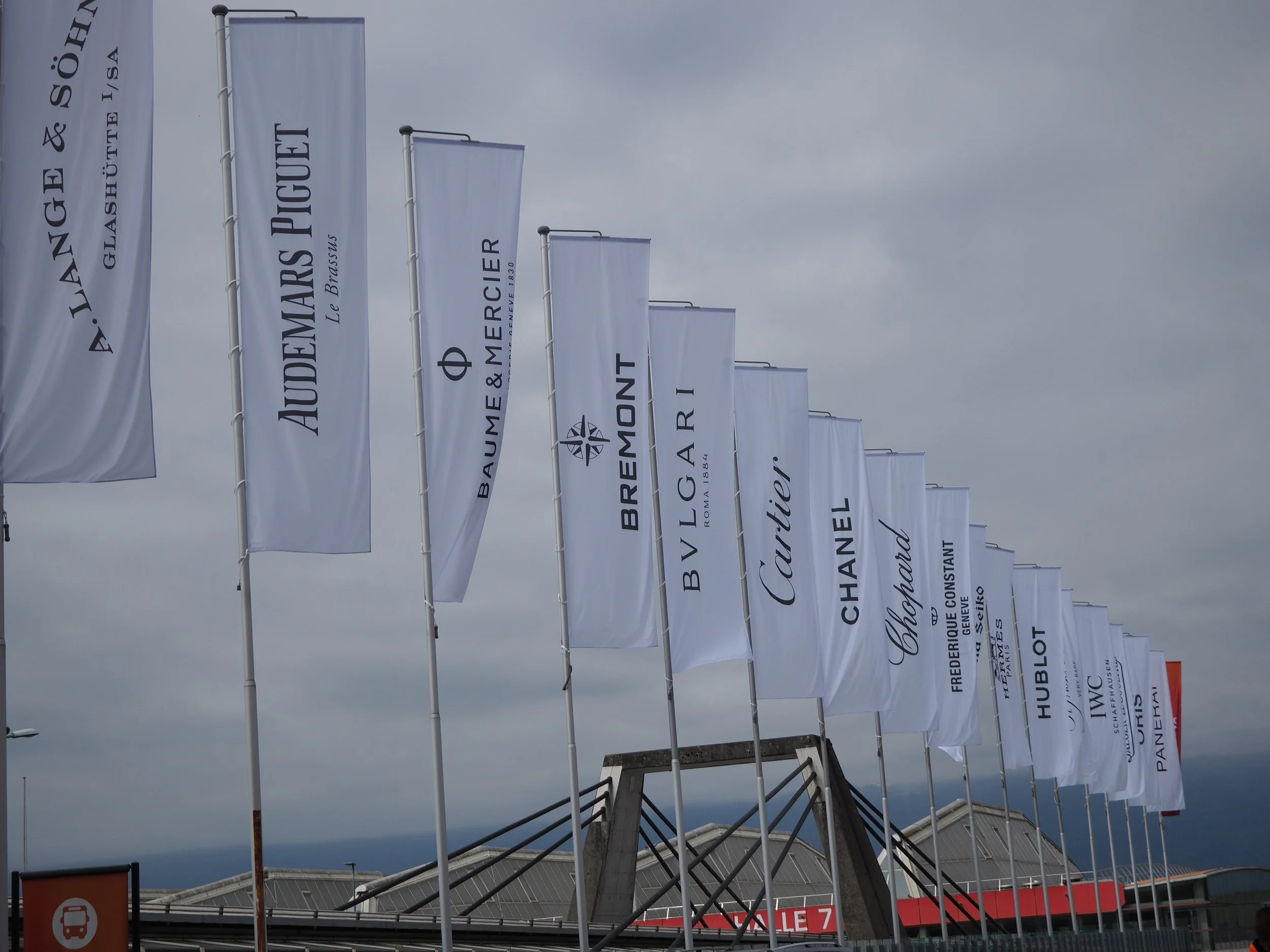
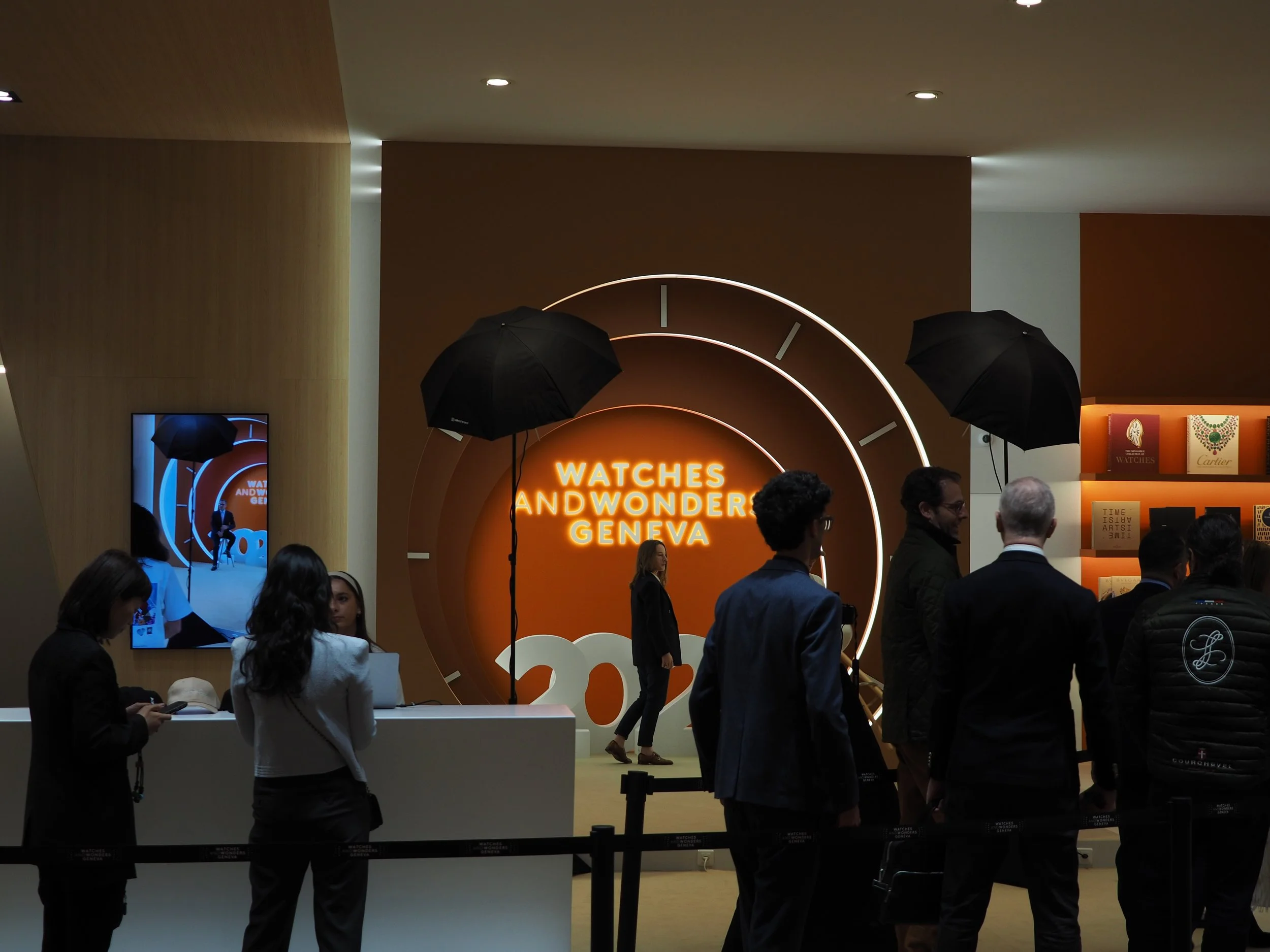
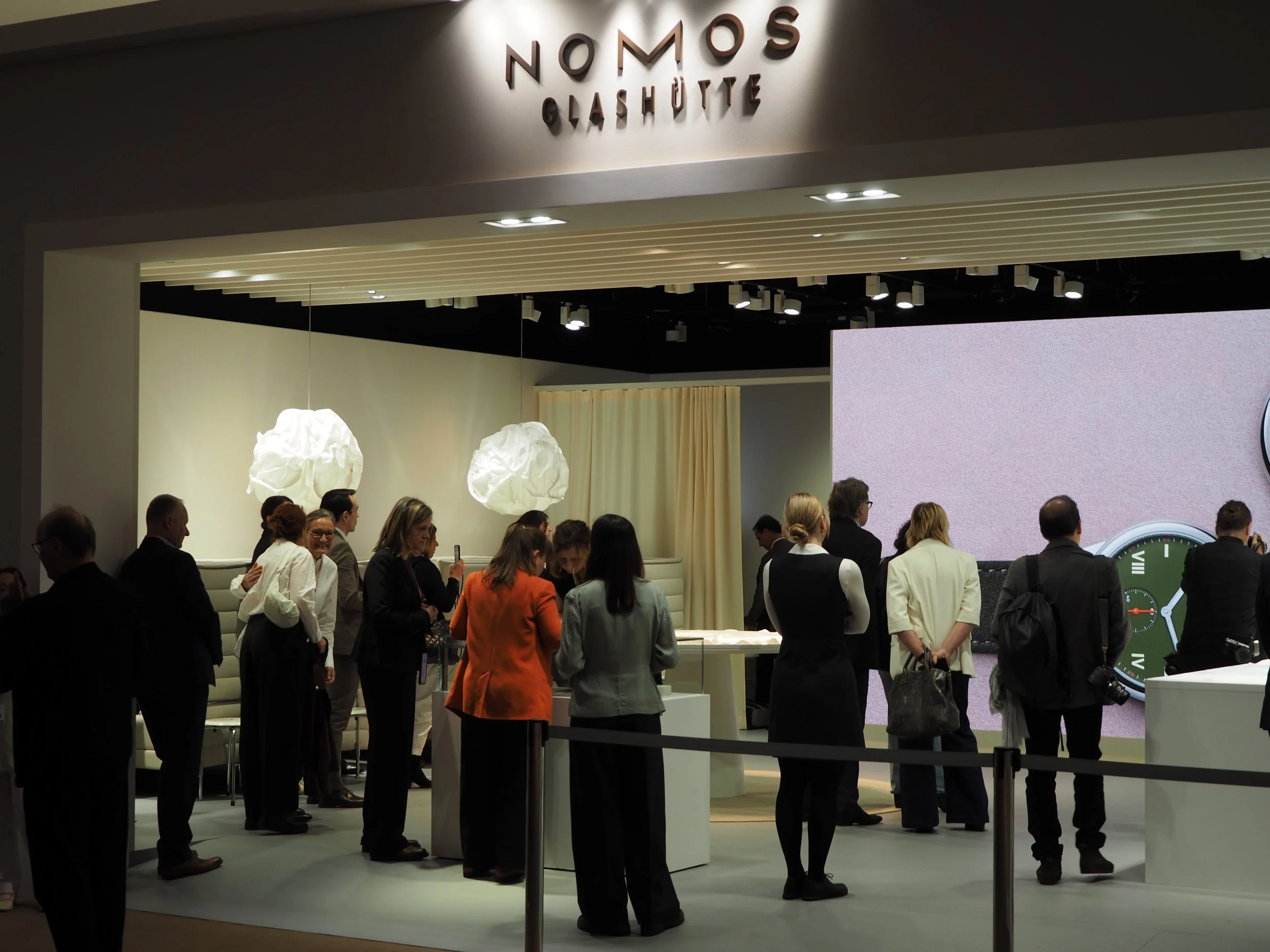
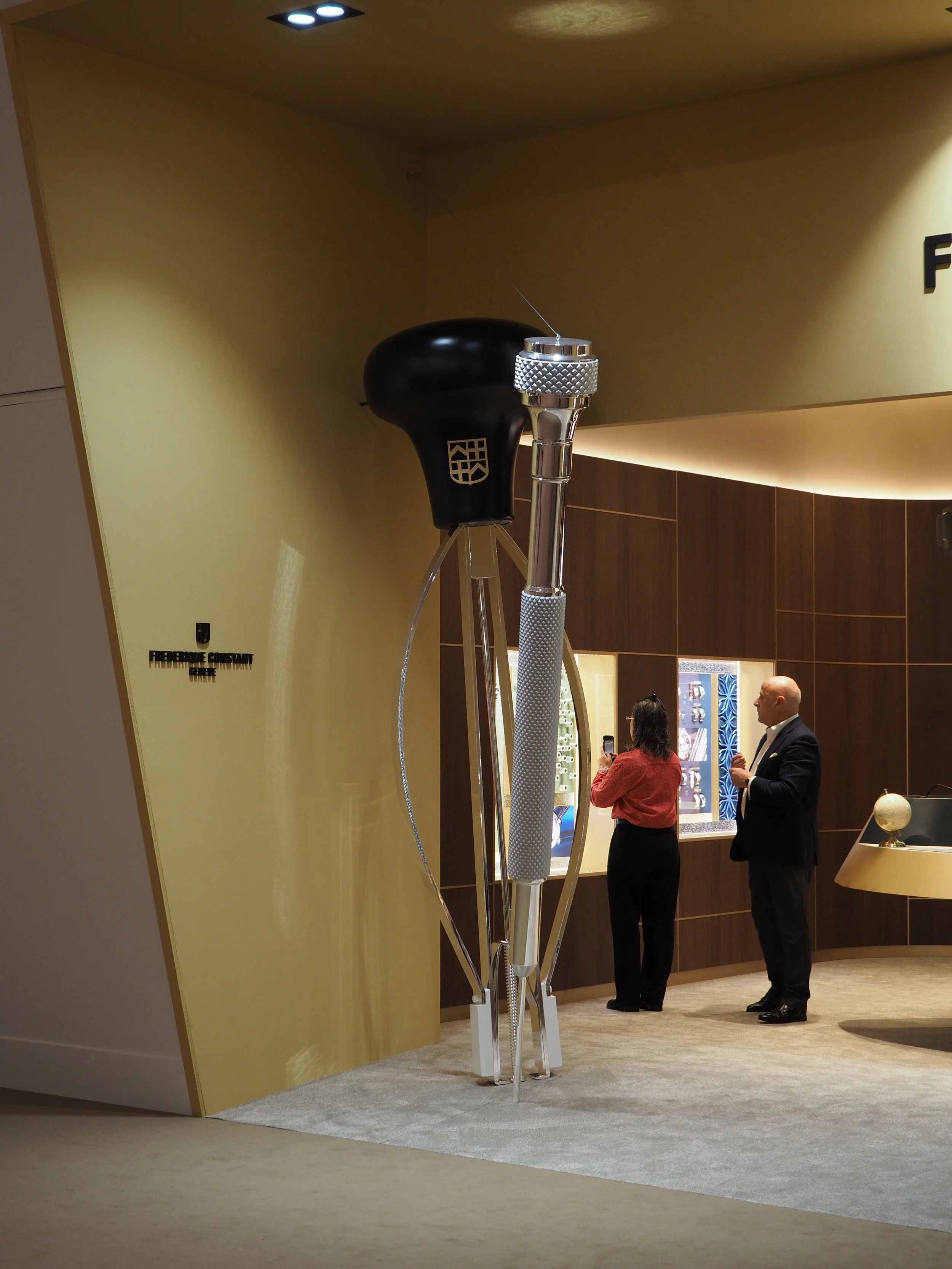
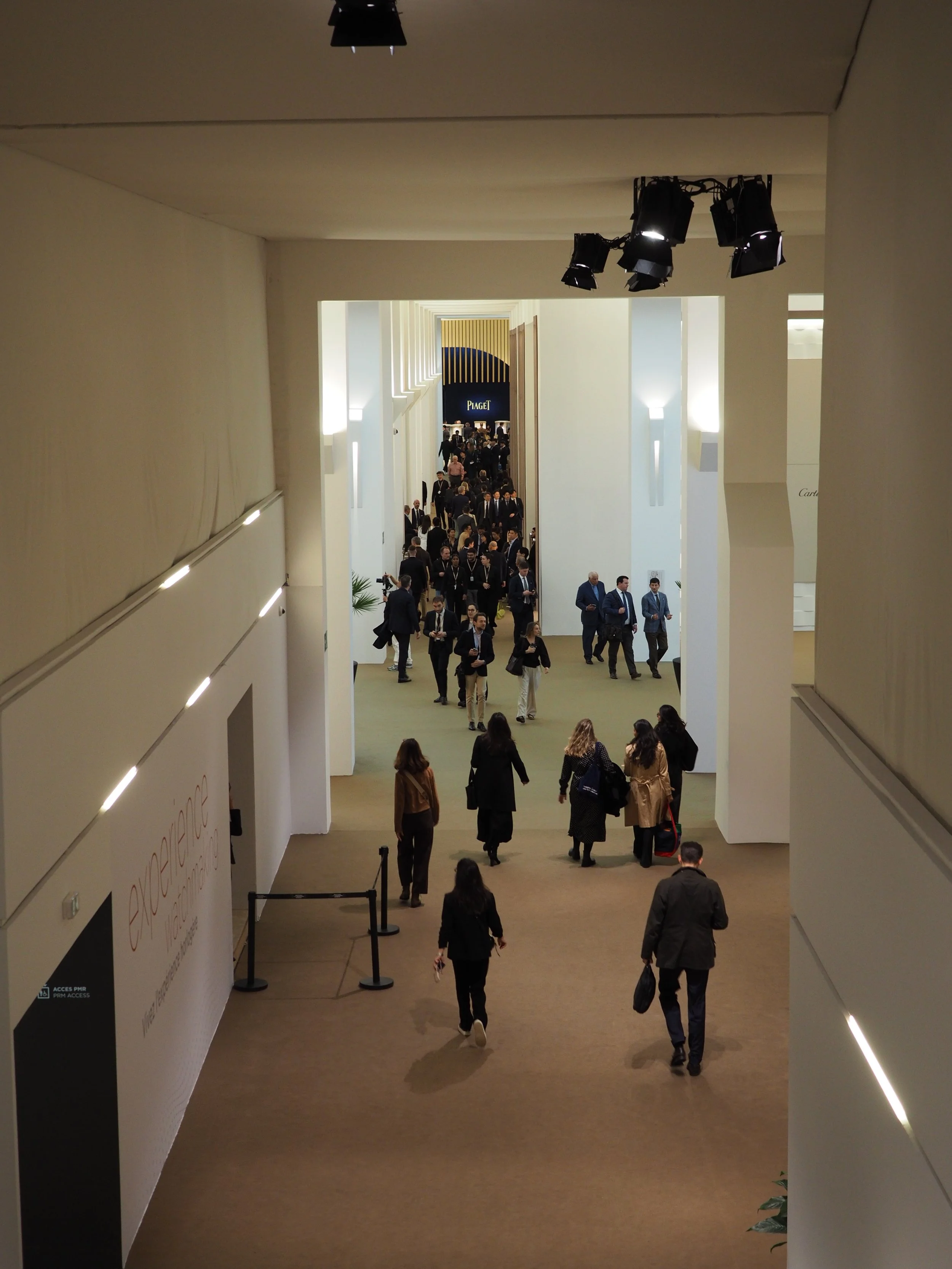
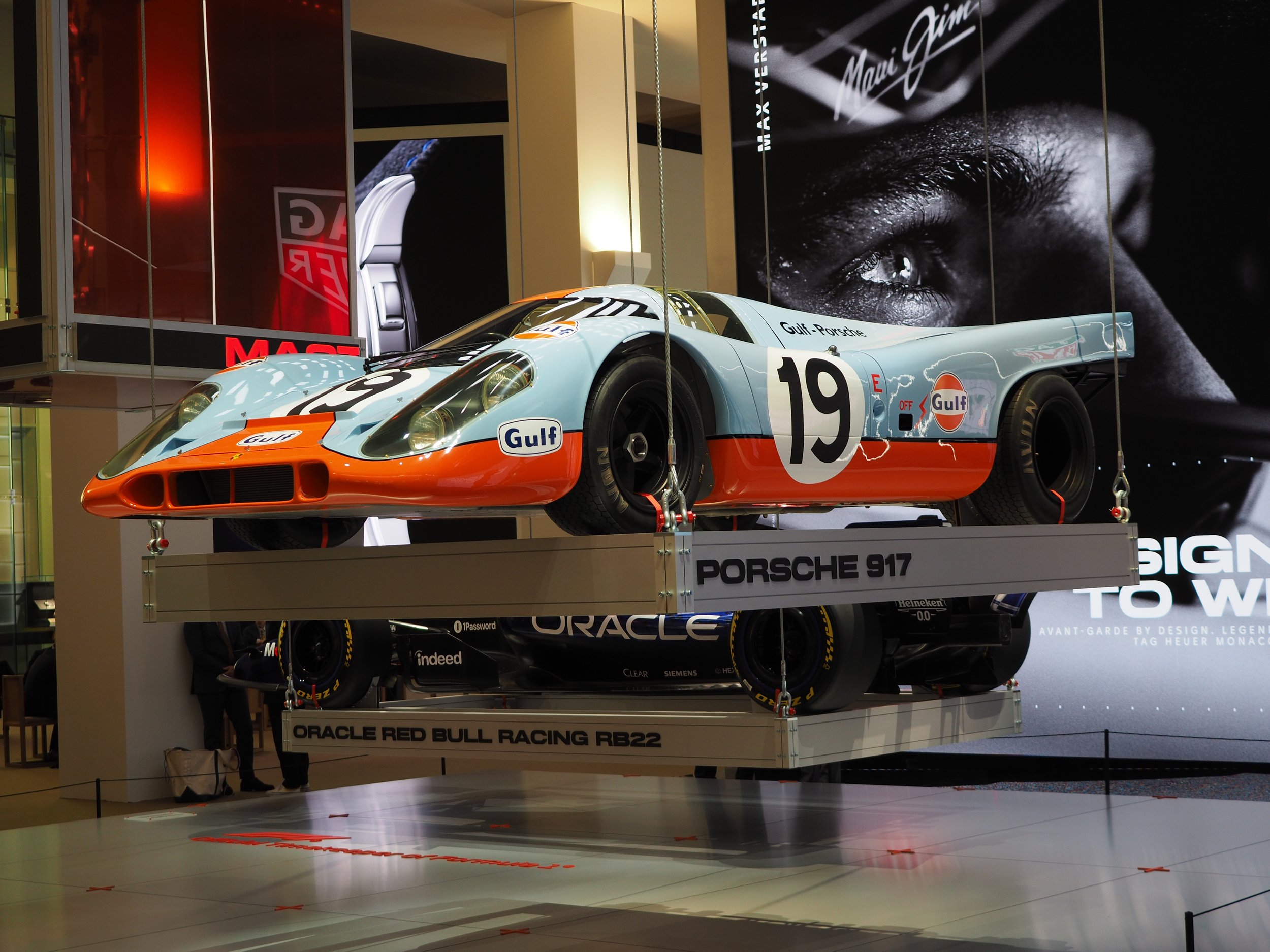
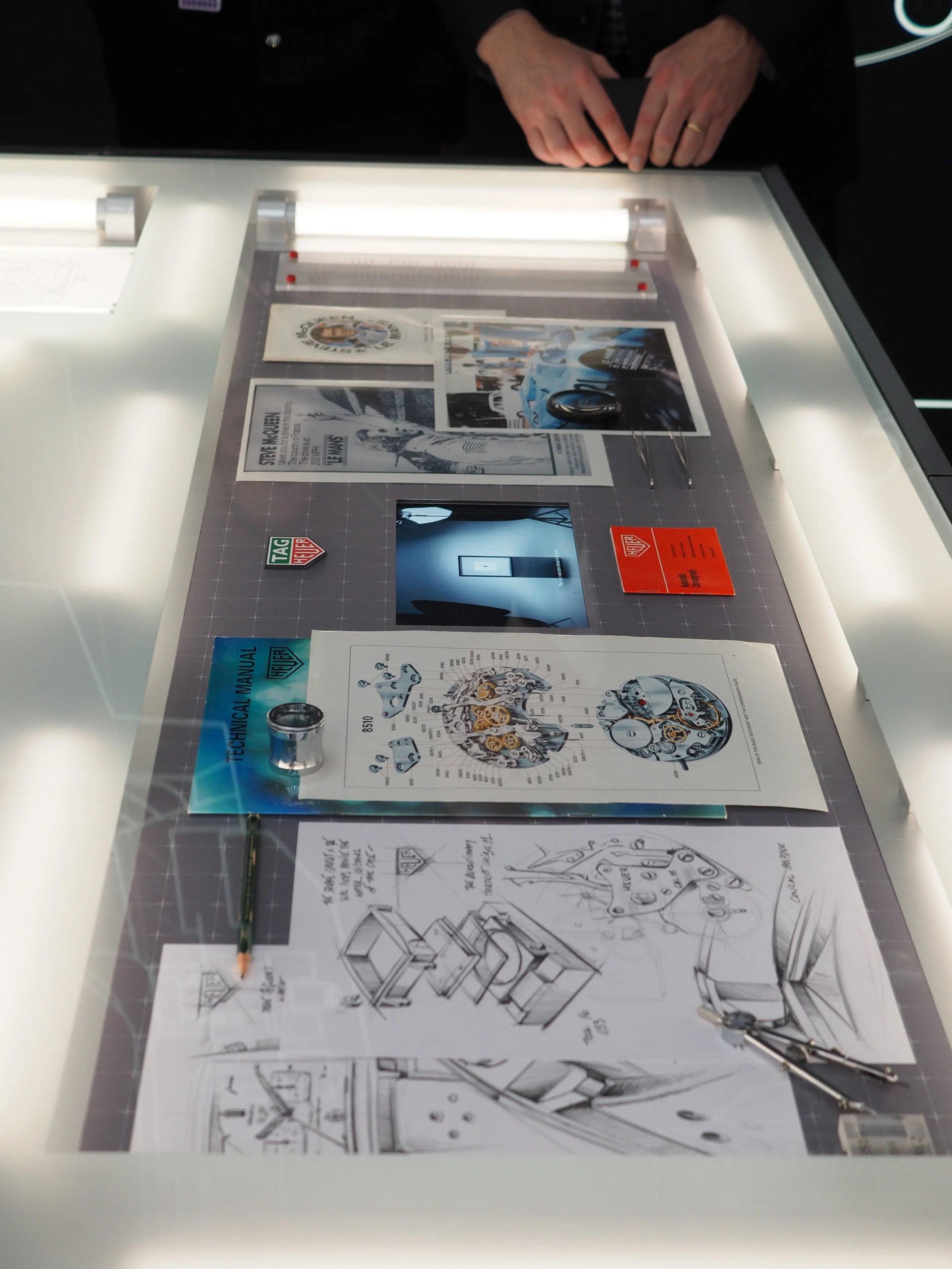
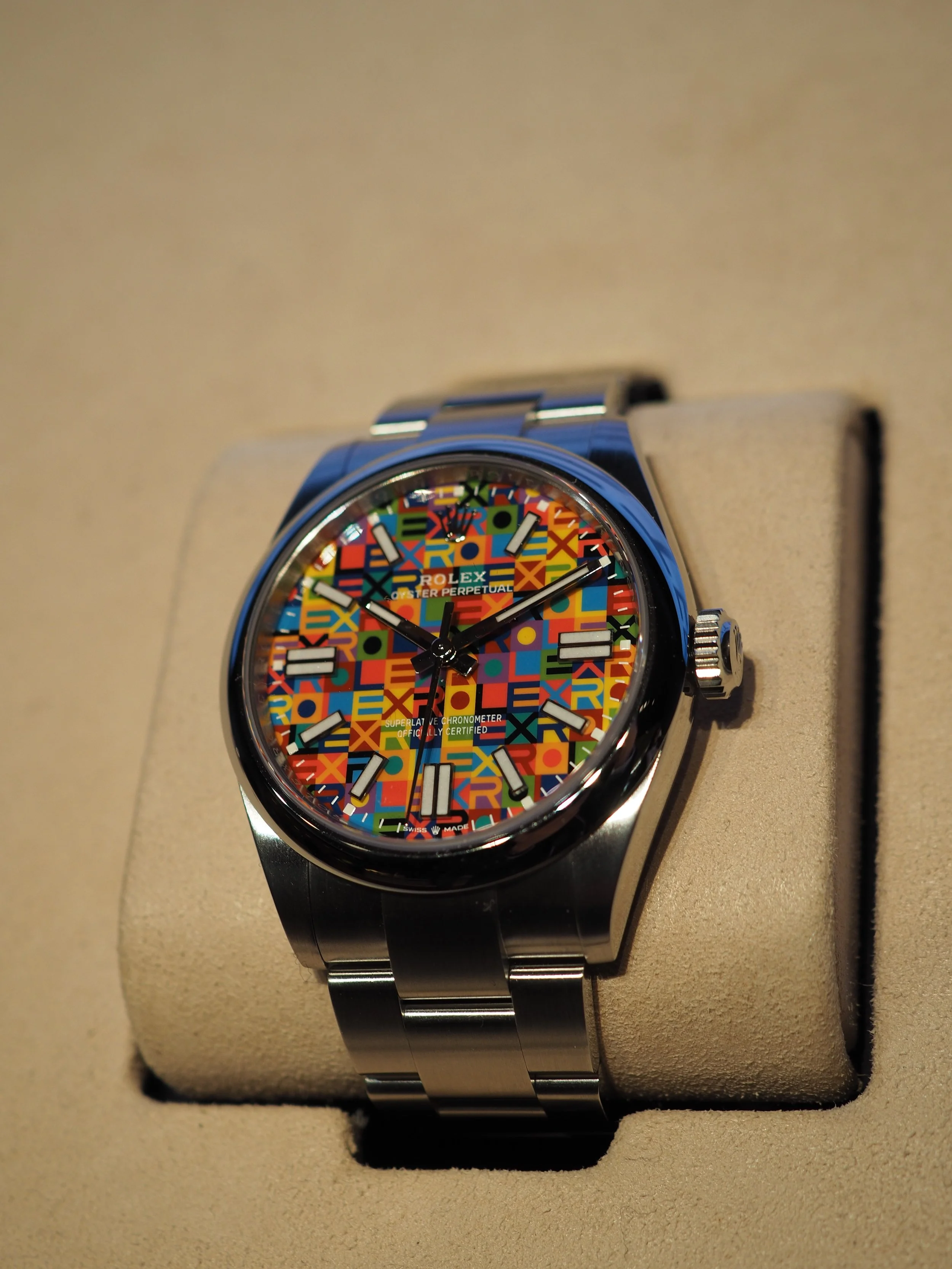
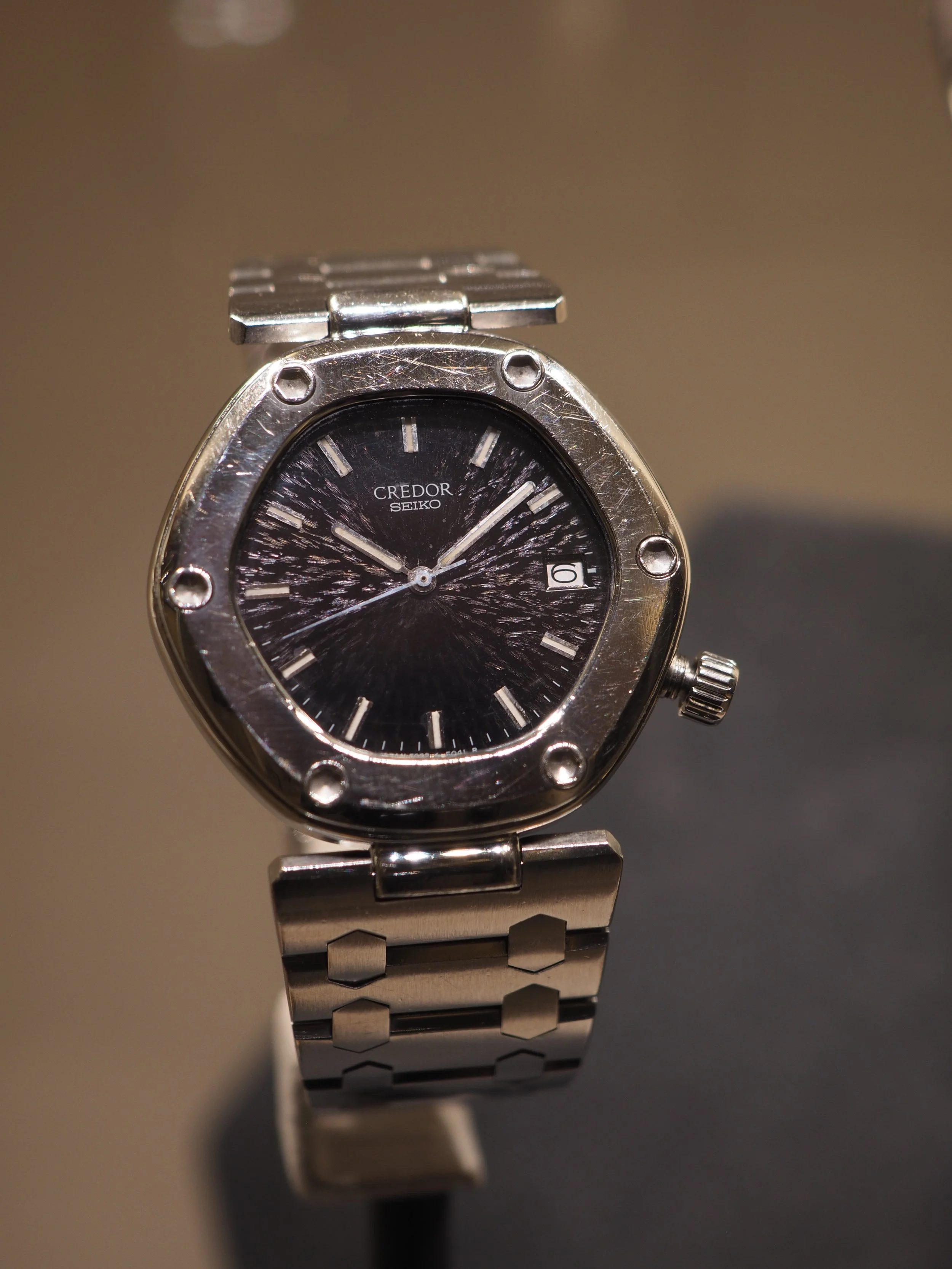
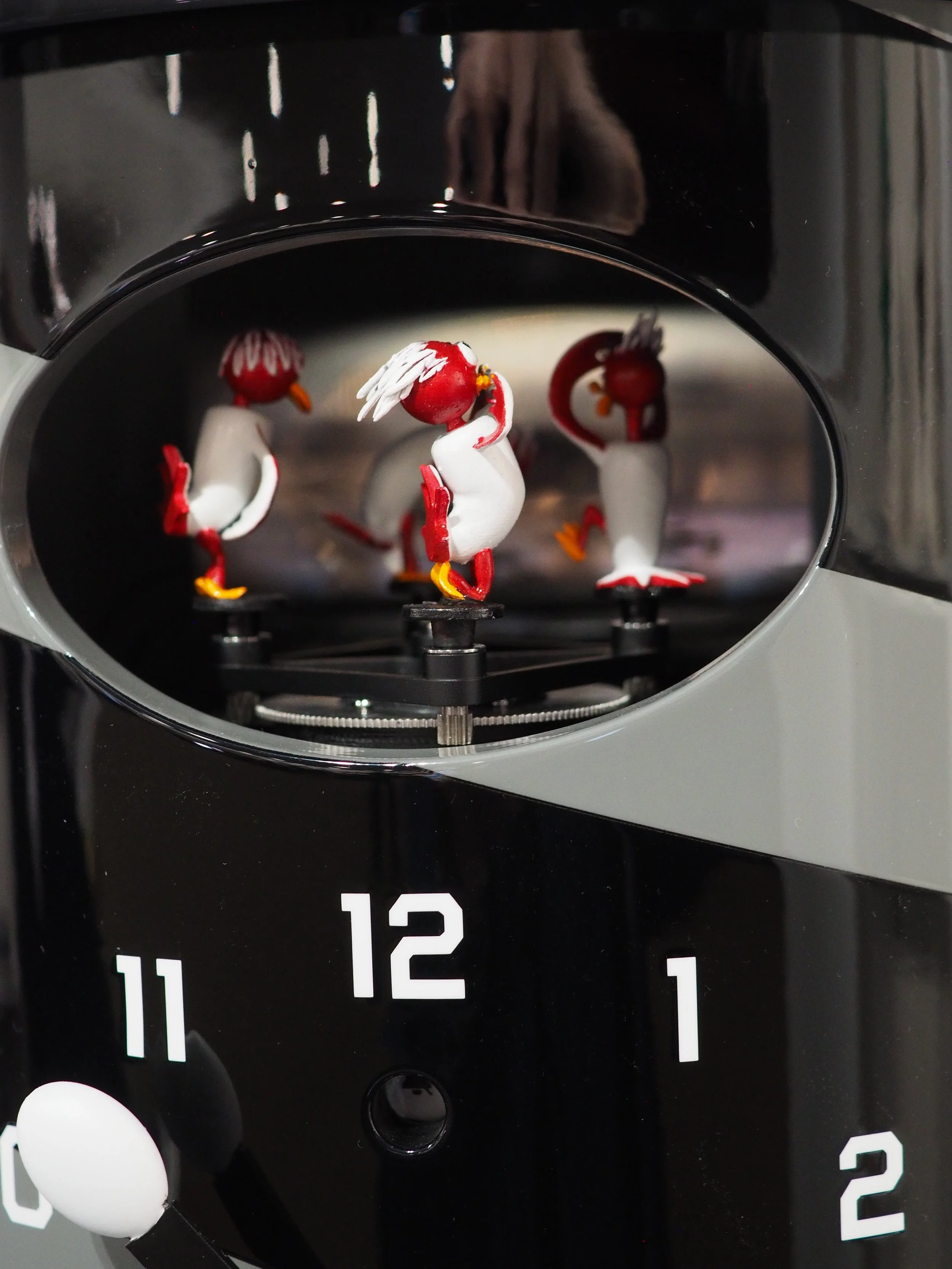
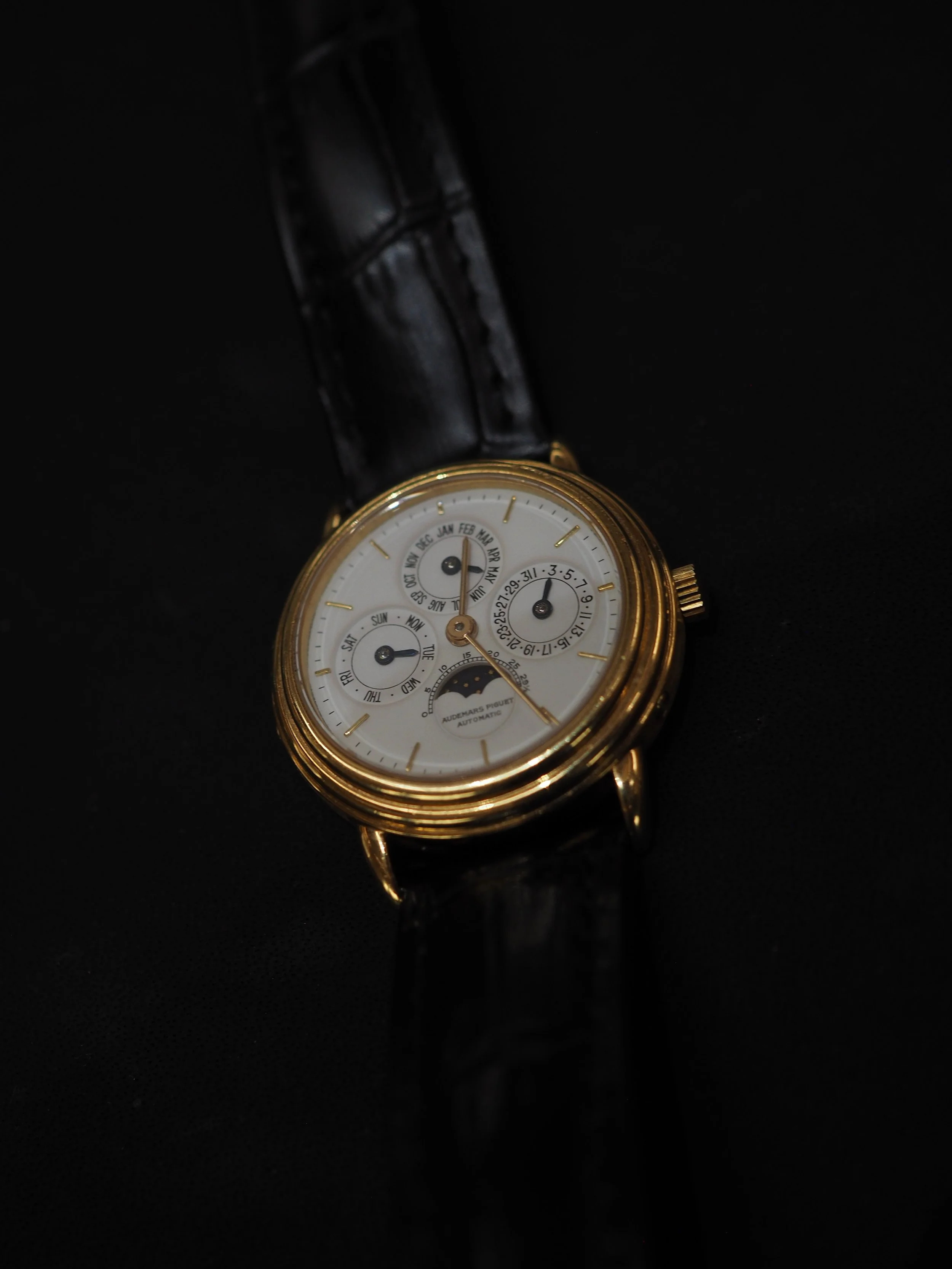
Designed by Genta.
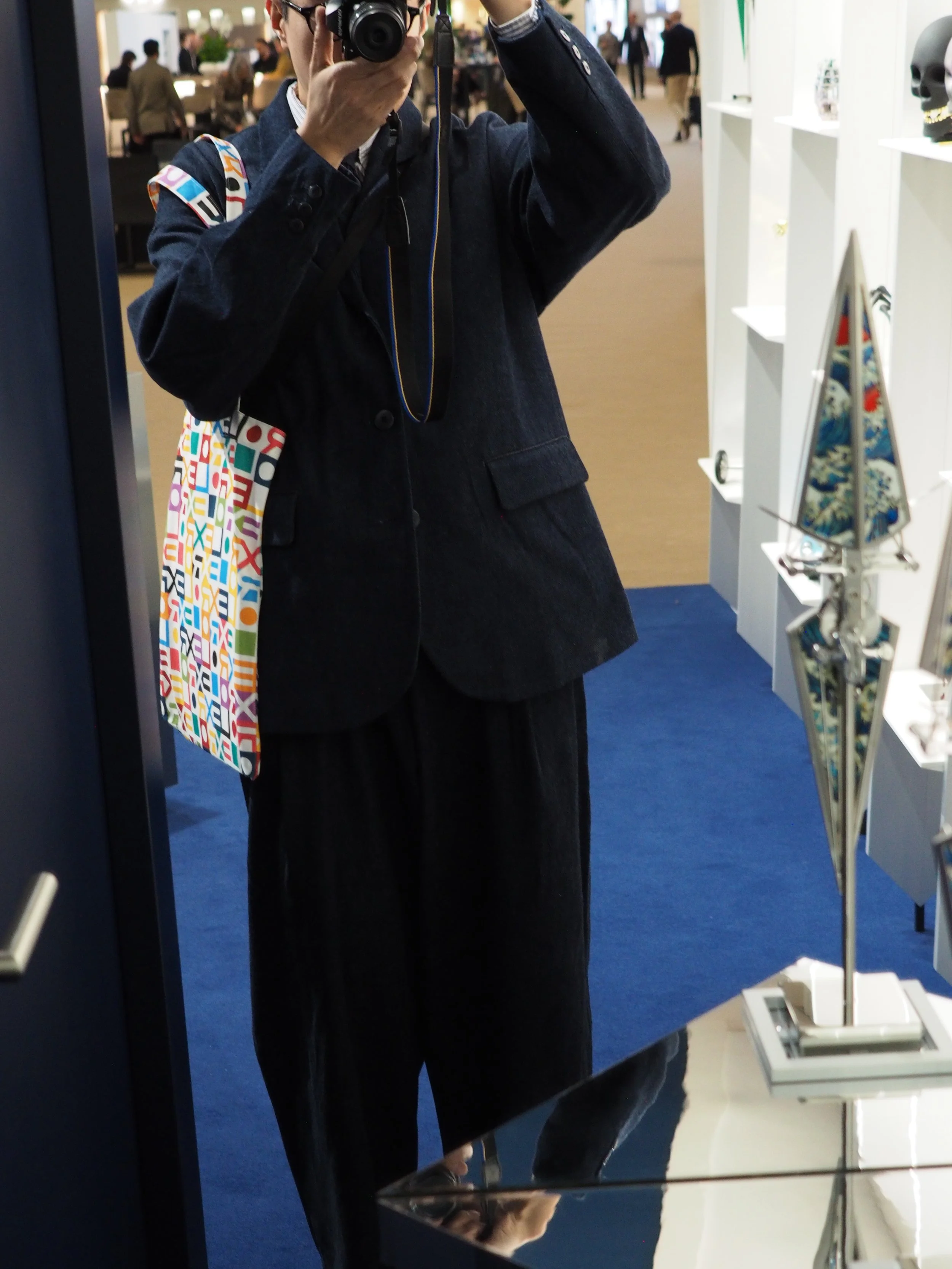
Self-portrait.

You’ve probably seen this guy somewhere.
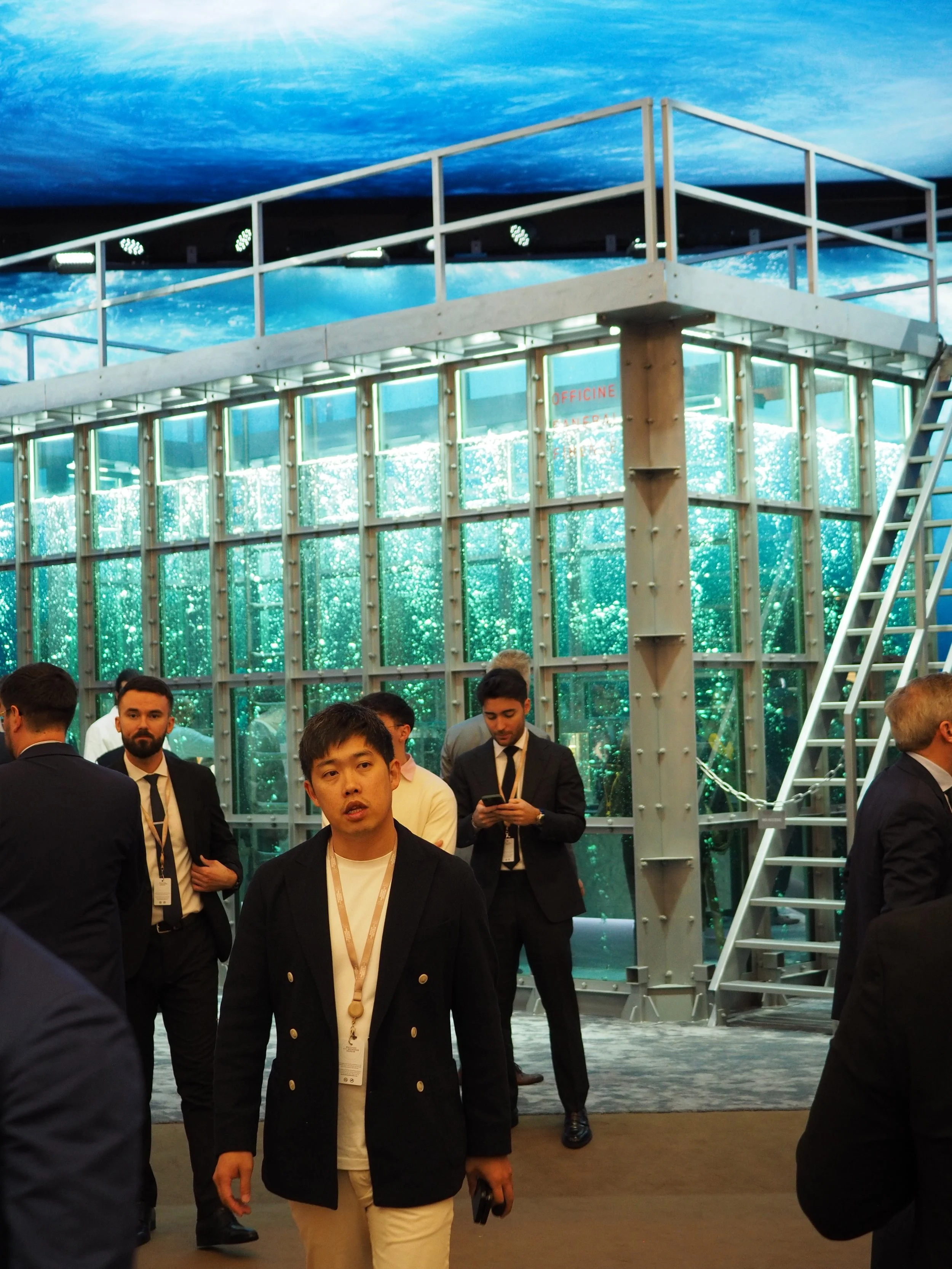
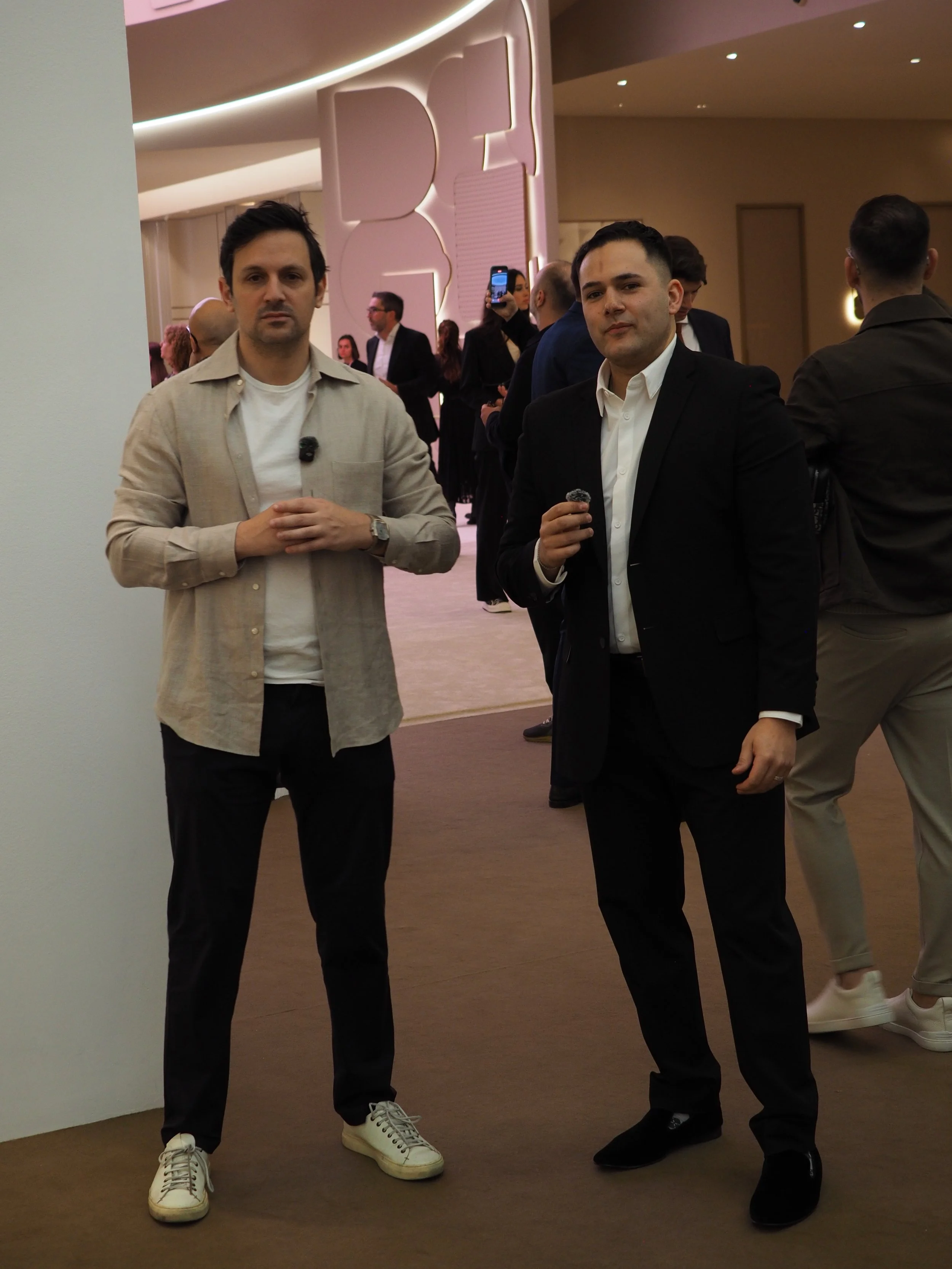
Craig Karger of Wrist Enthusiast and Zech Noiseaux of Broadcasting Watches.
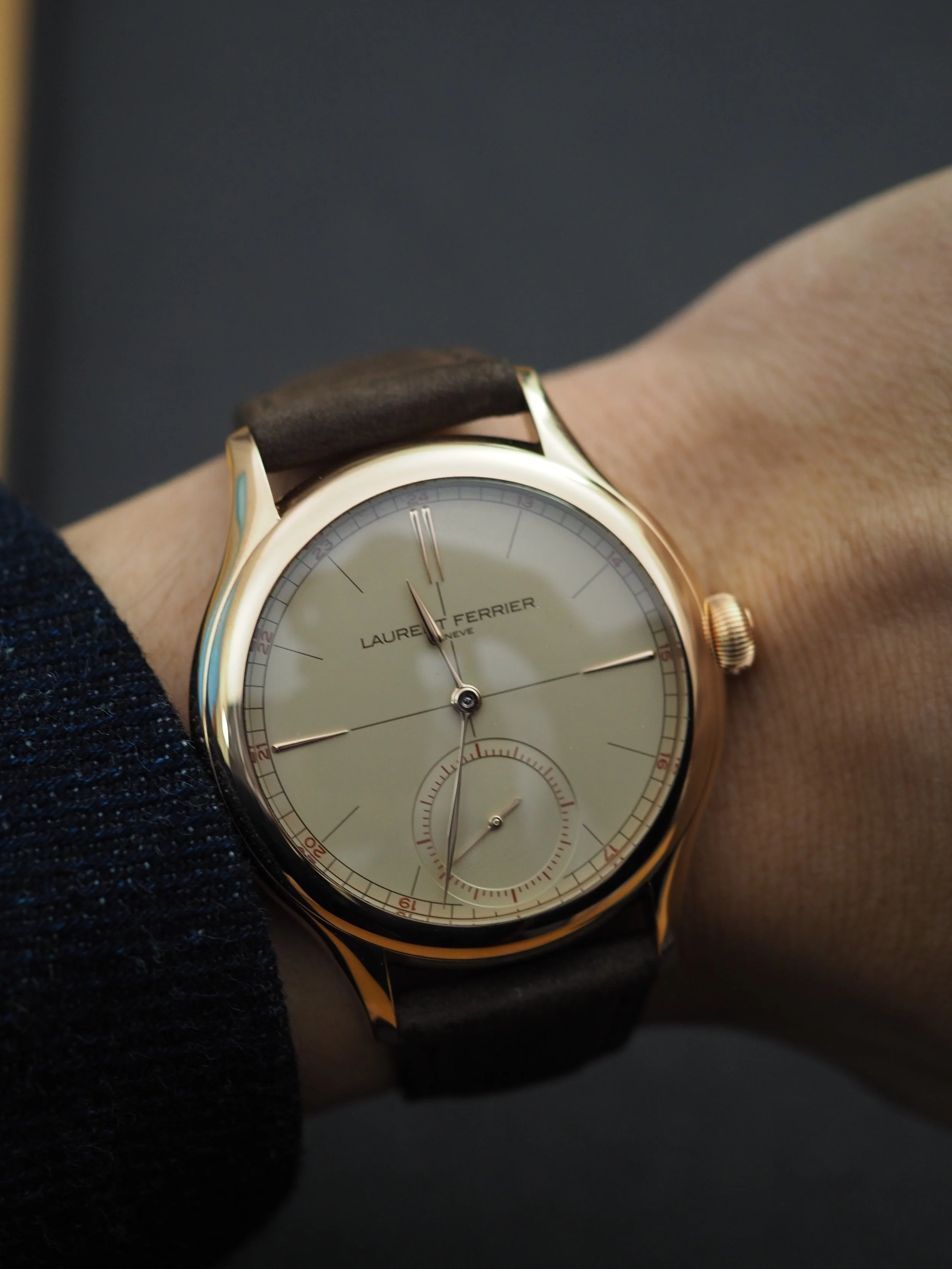
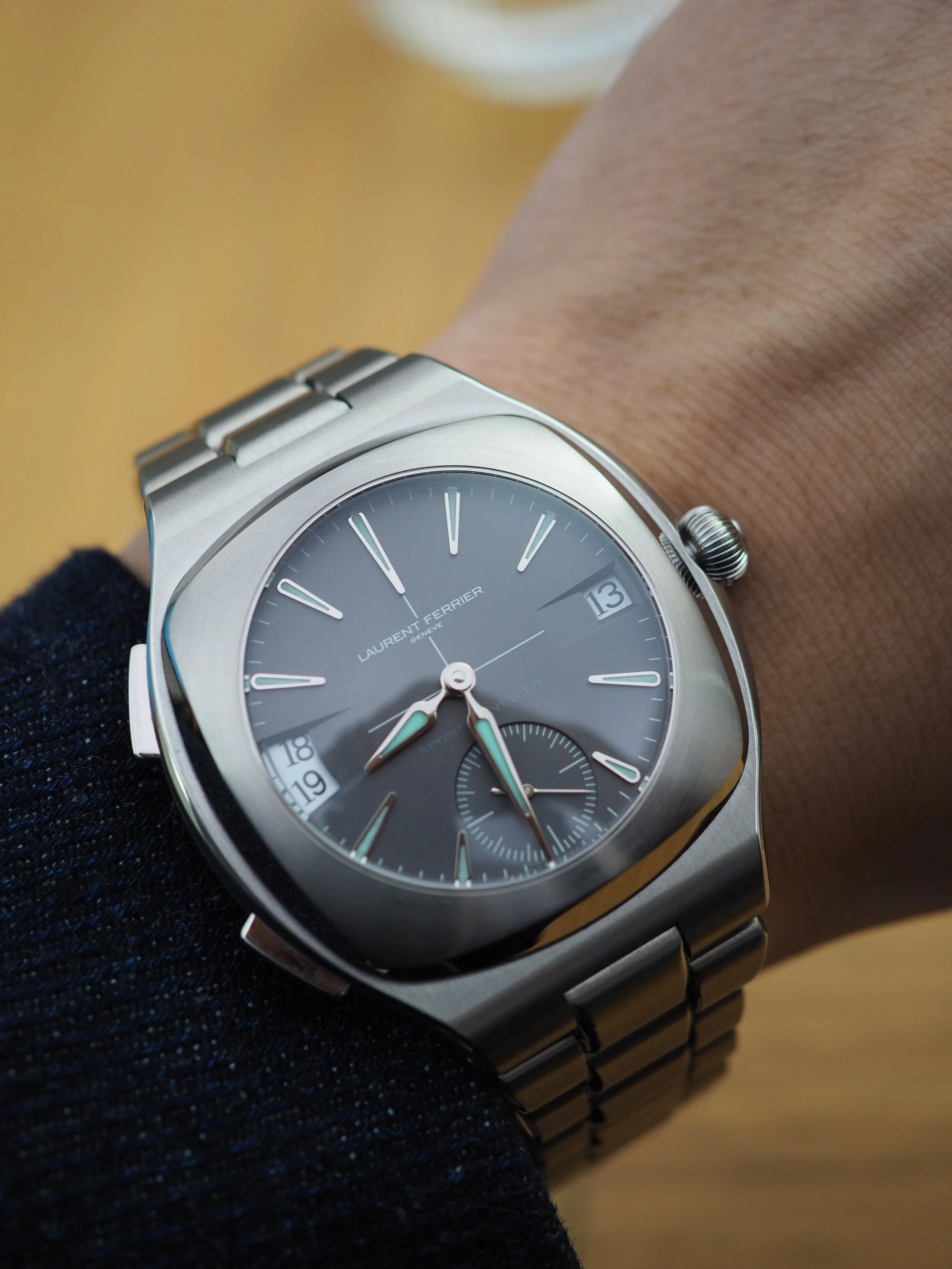
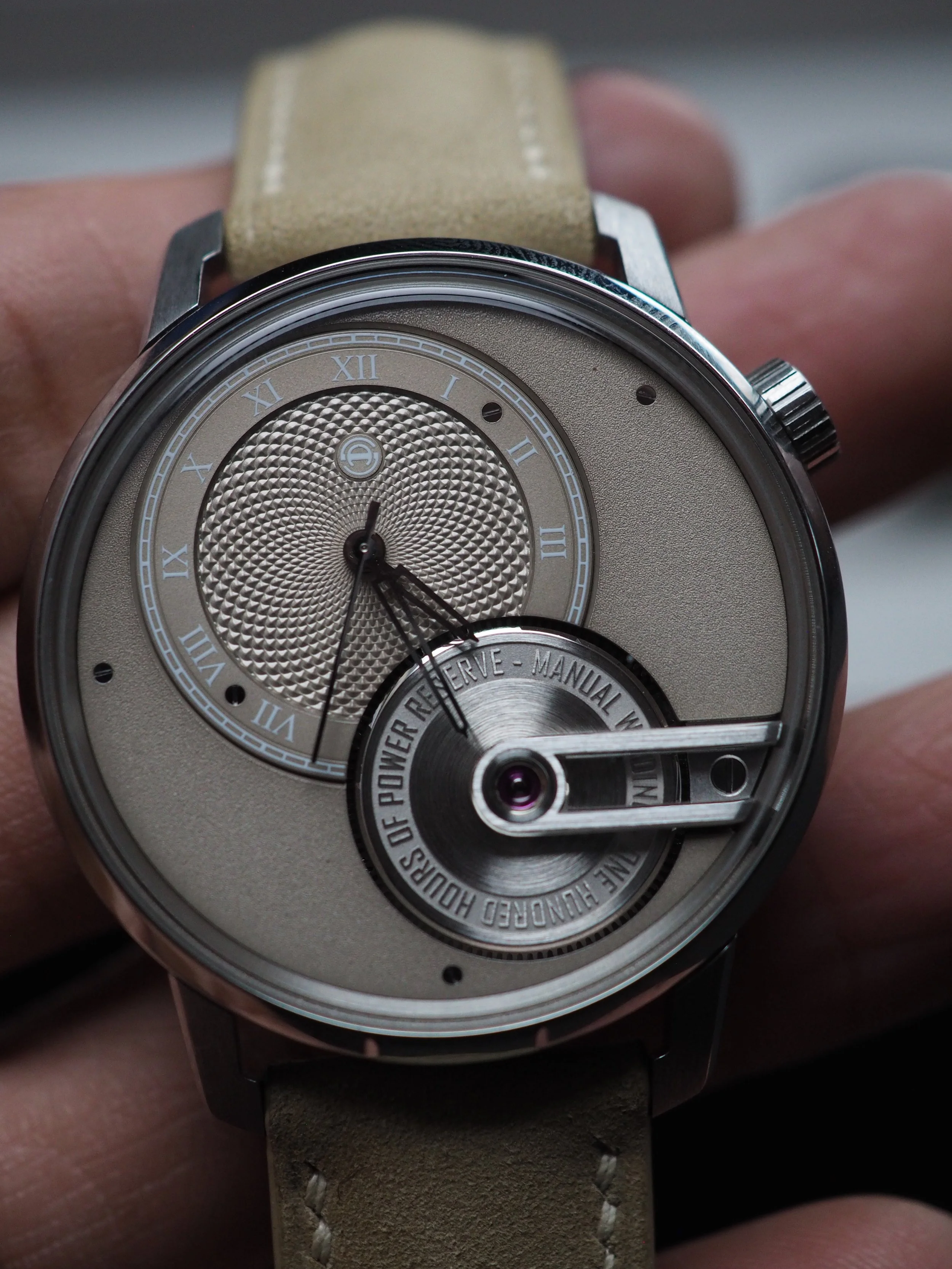
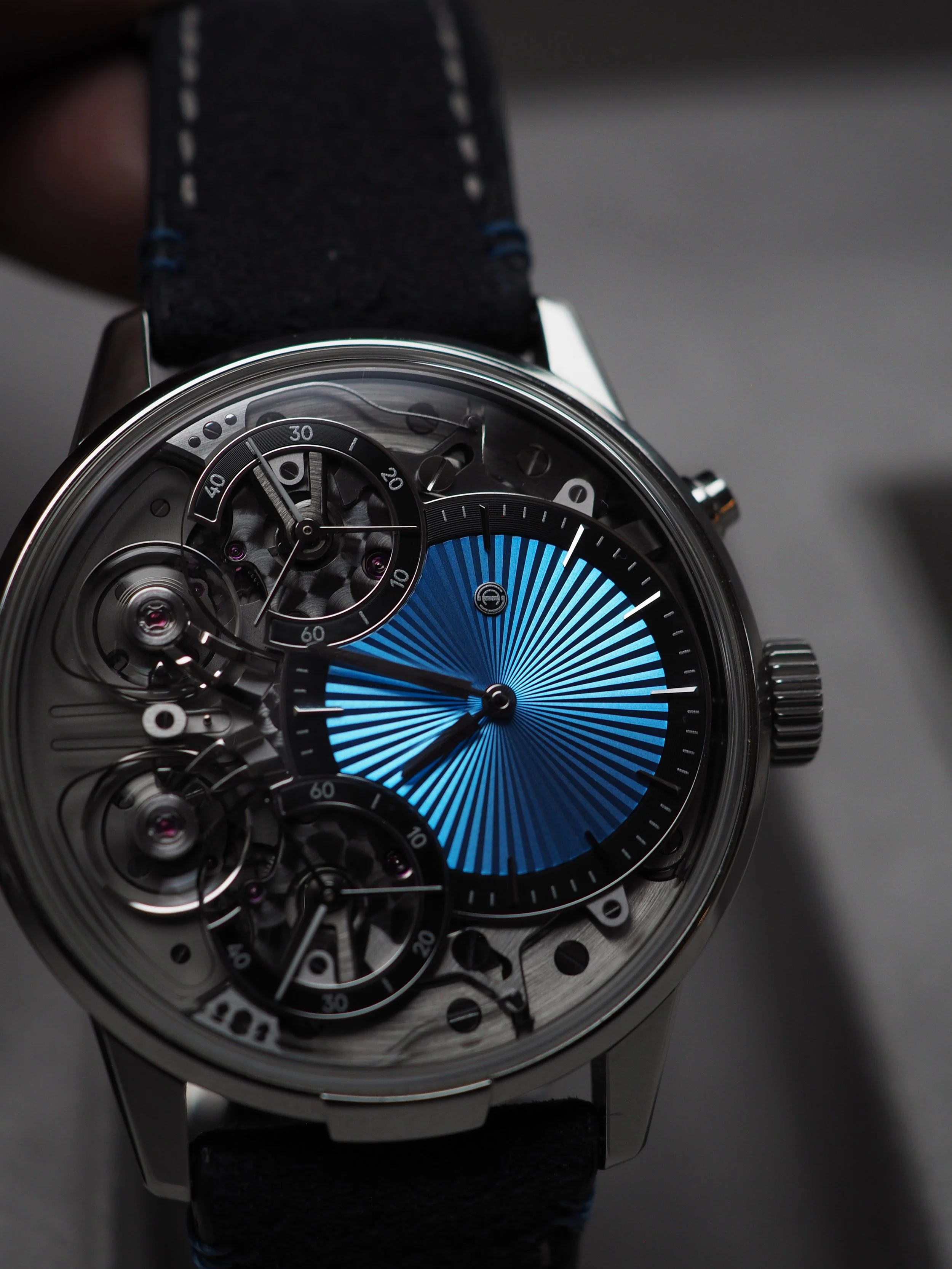
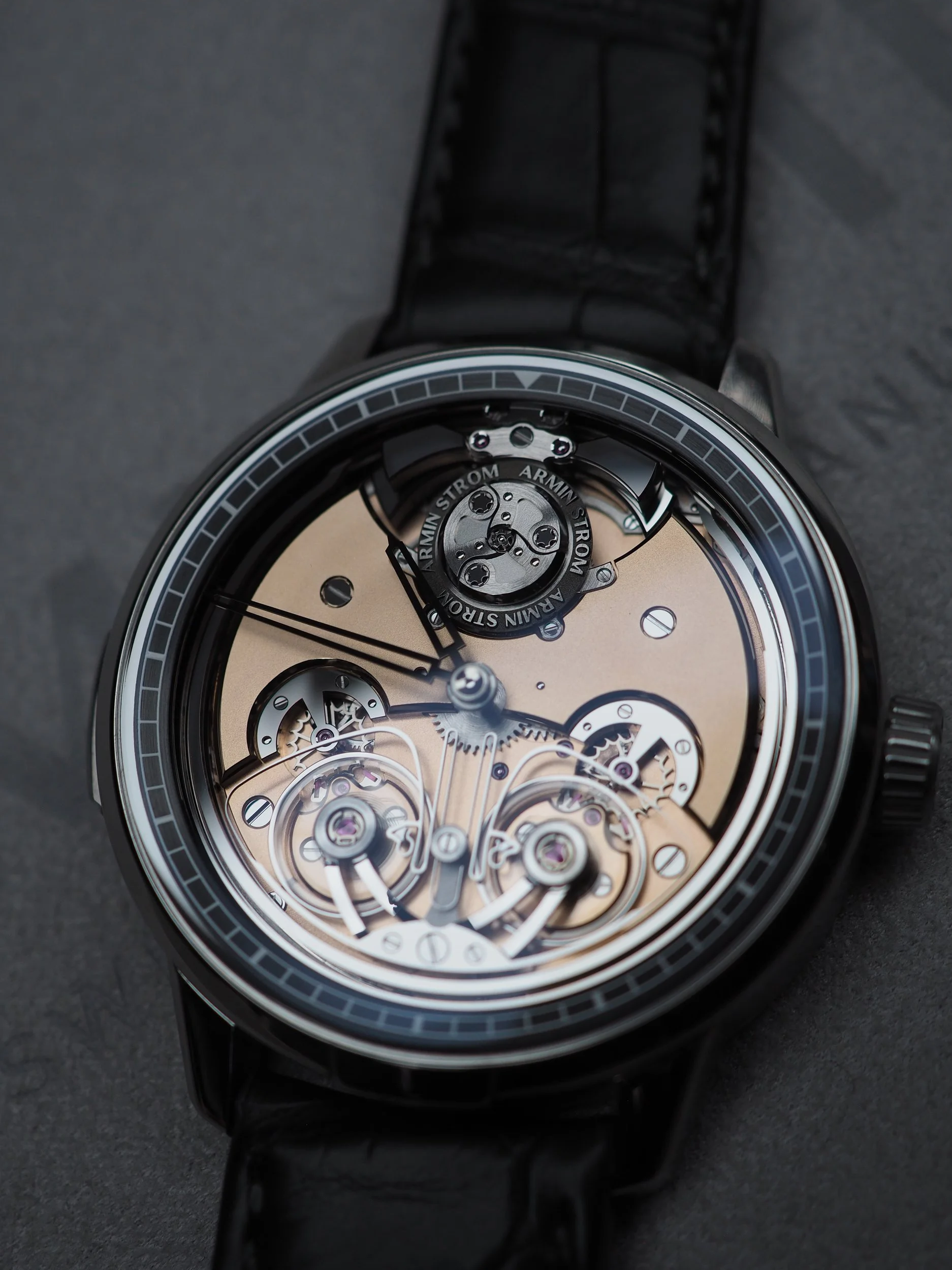
Armin Strom Minute Repeater Resonance 12:59 First Edition.
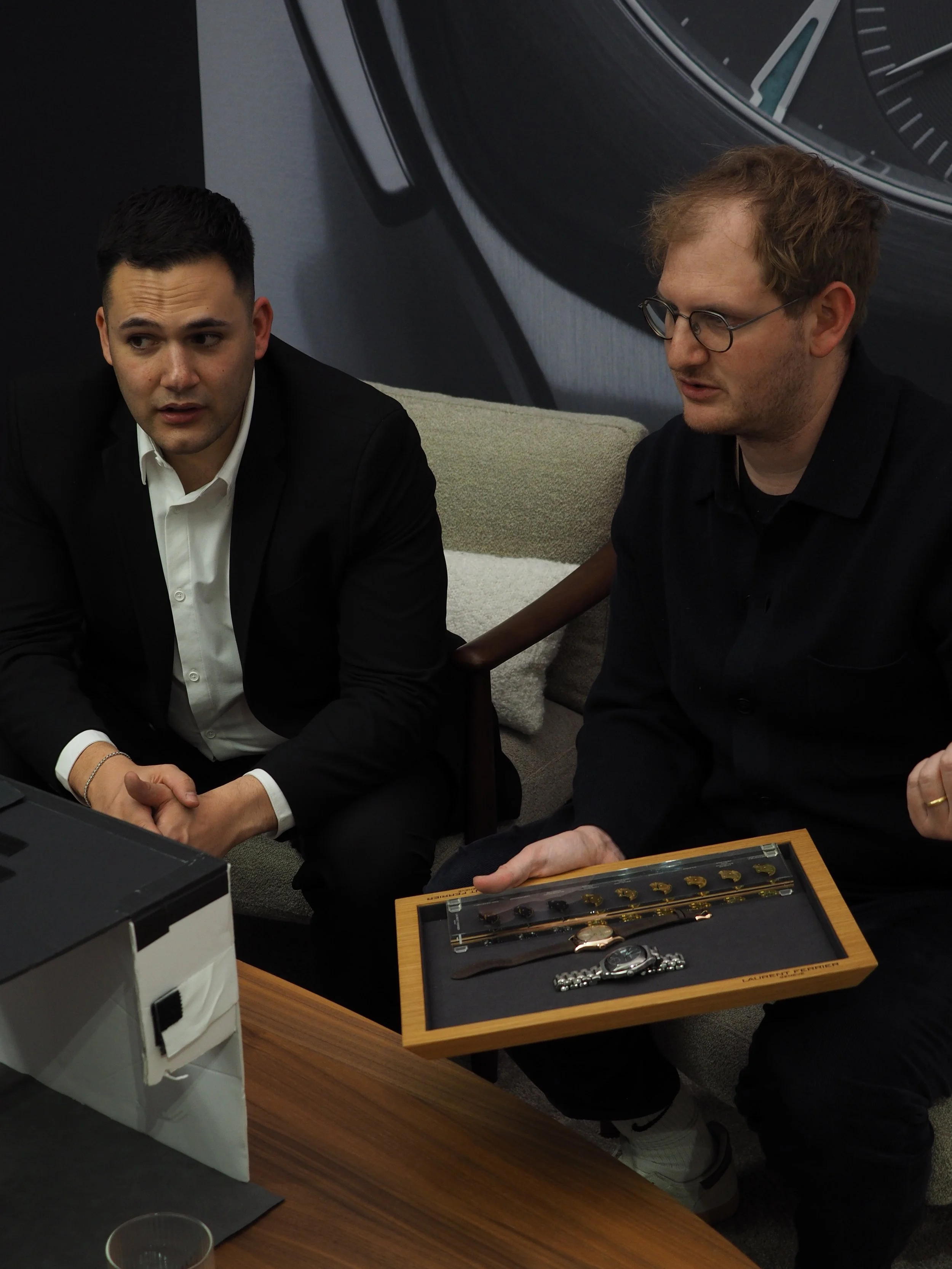
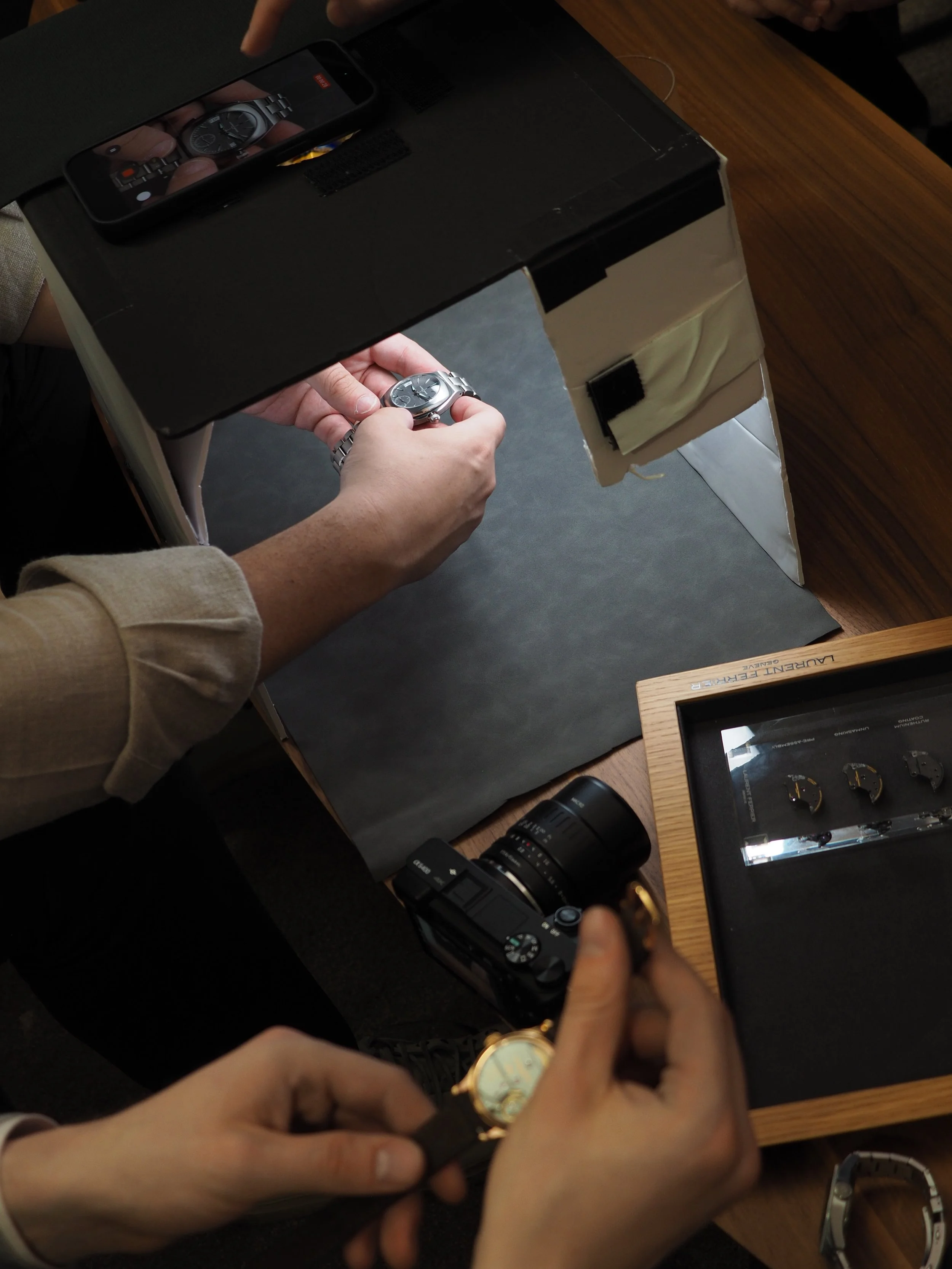
BTS.
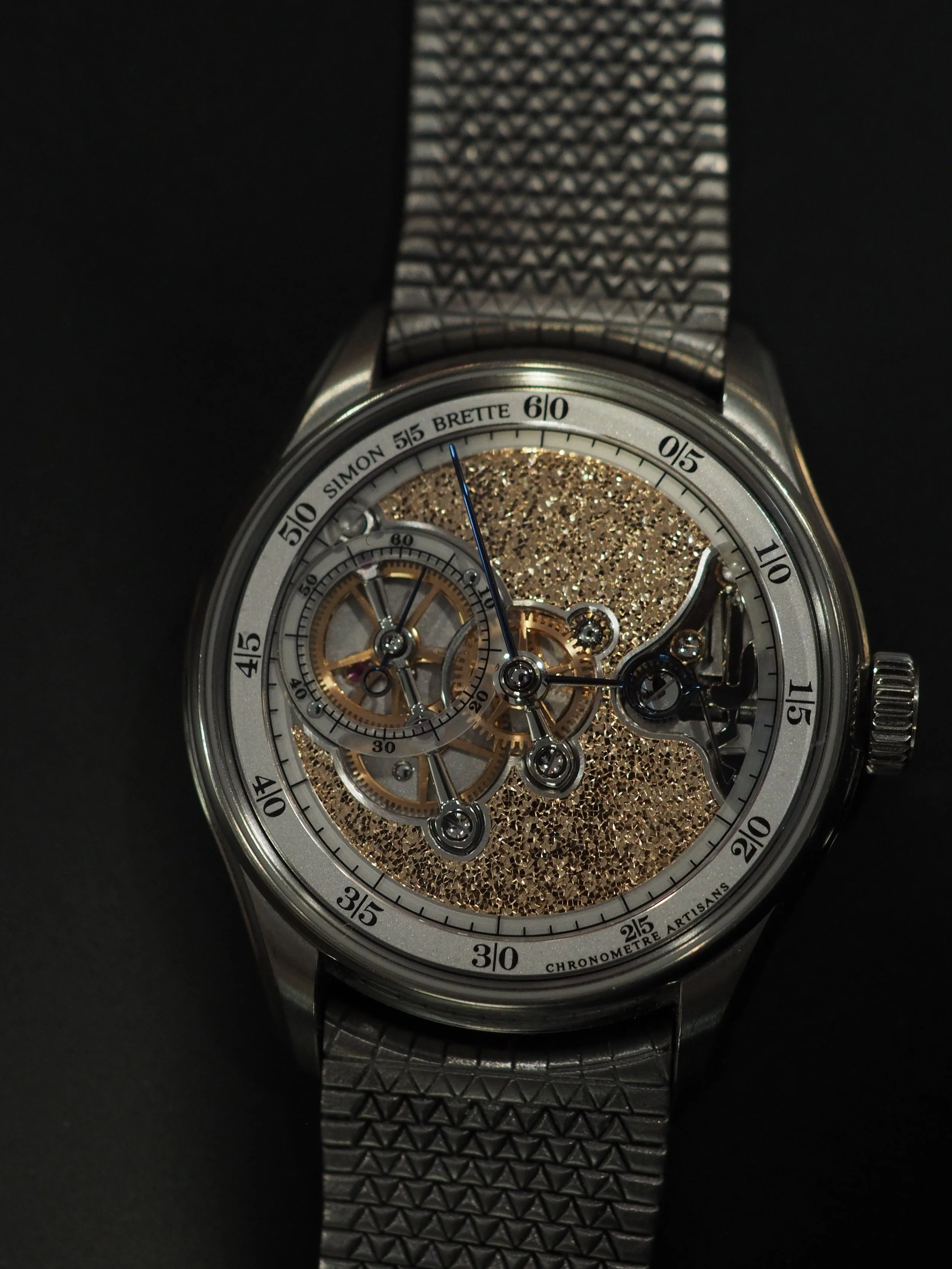
Brette on a MING Polymesh.
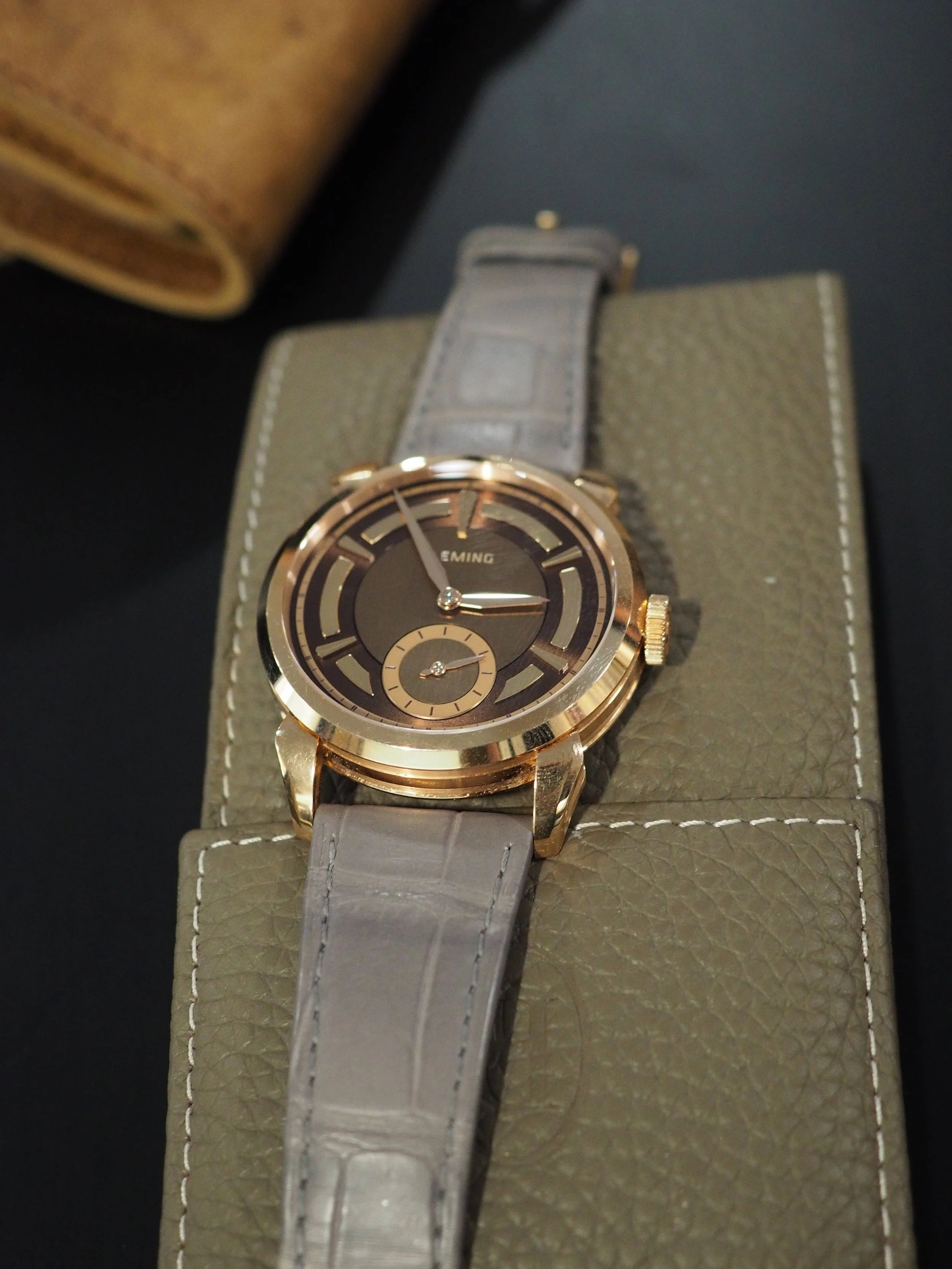
Fleming in the metal!
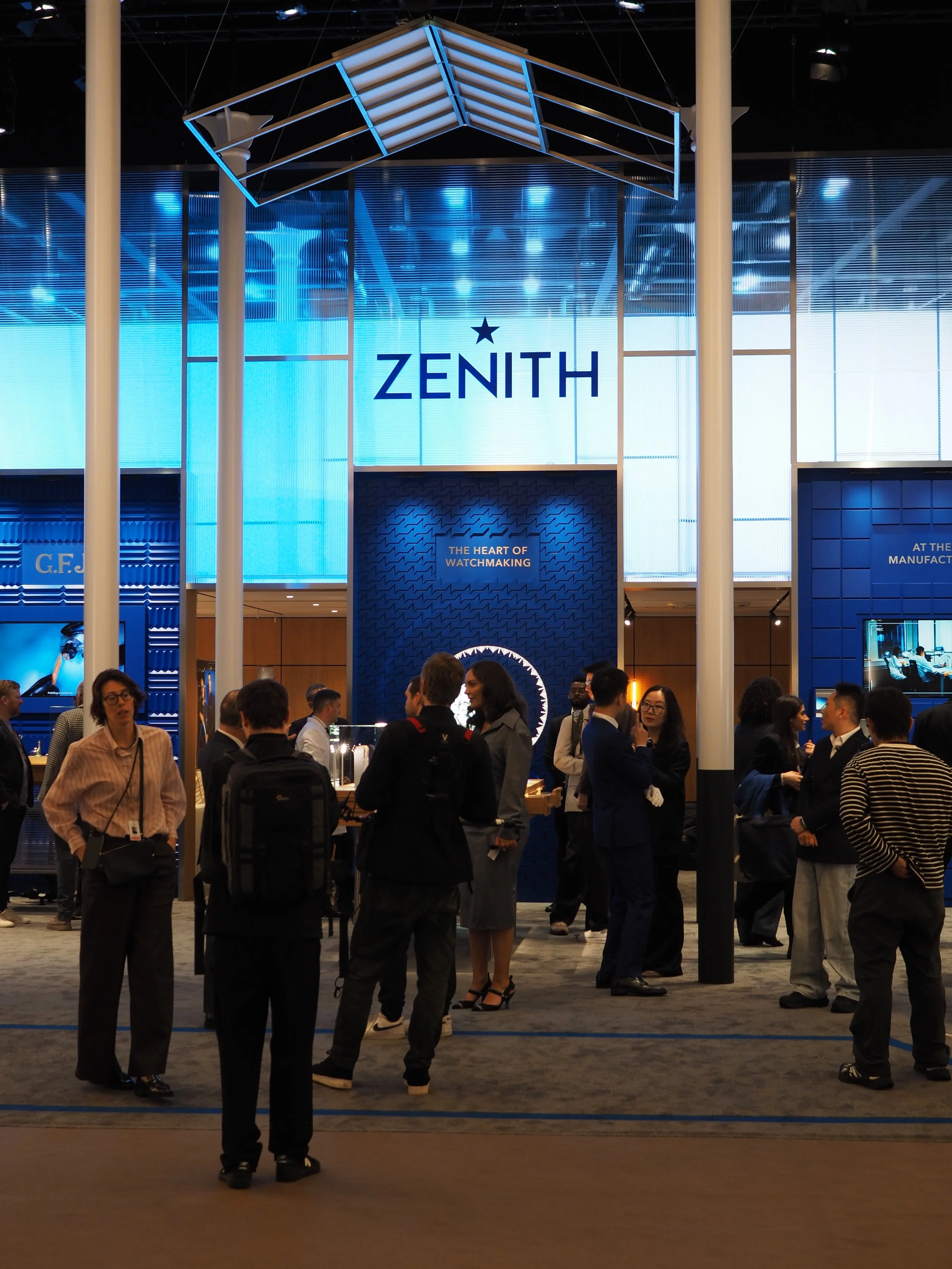
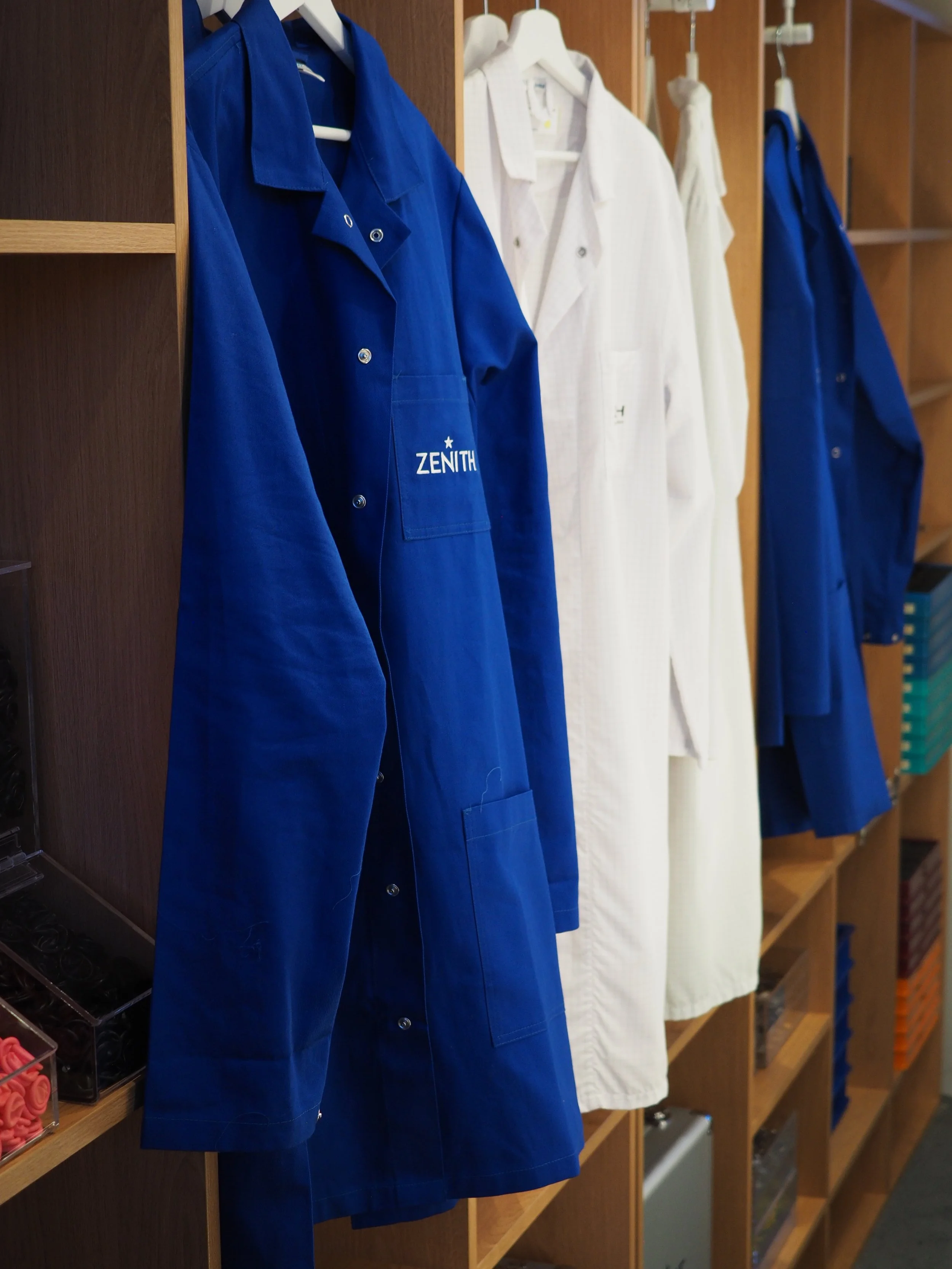
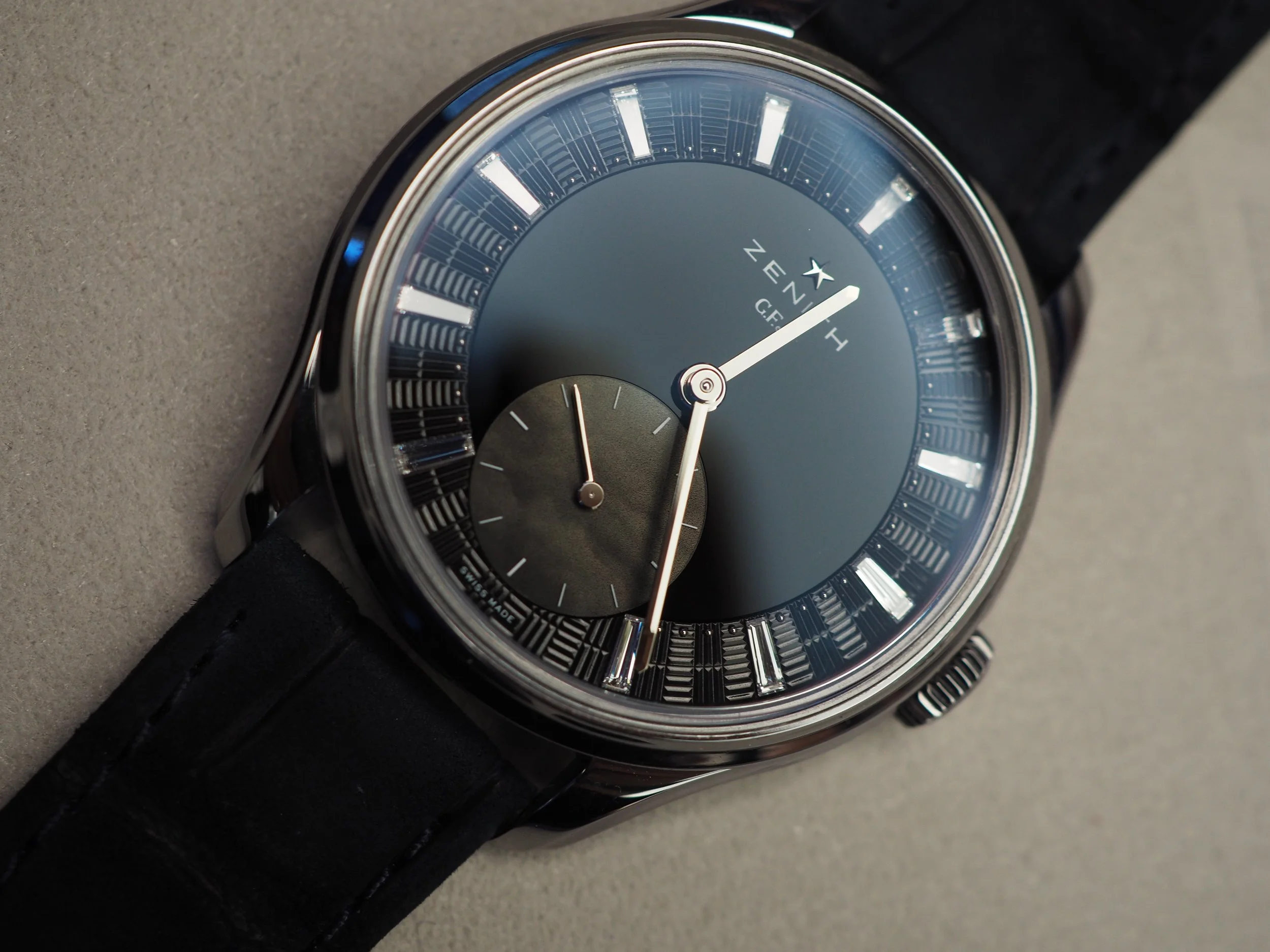
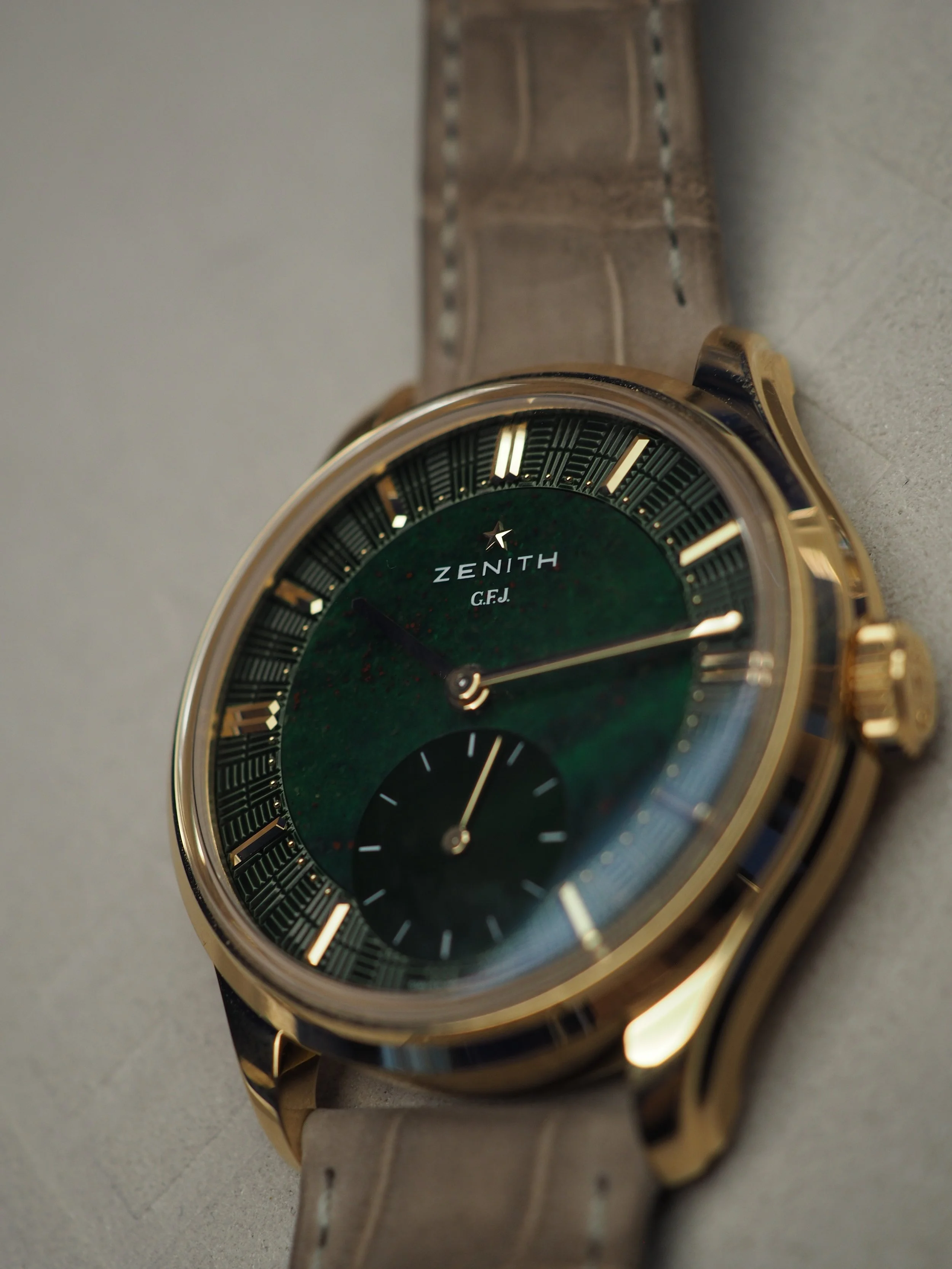
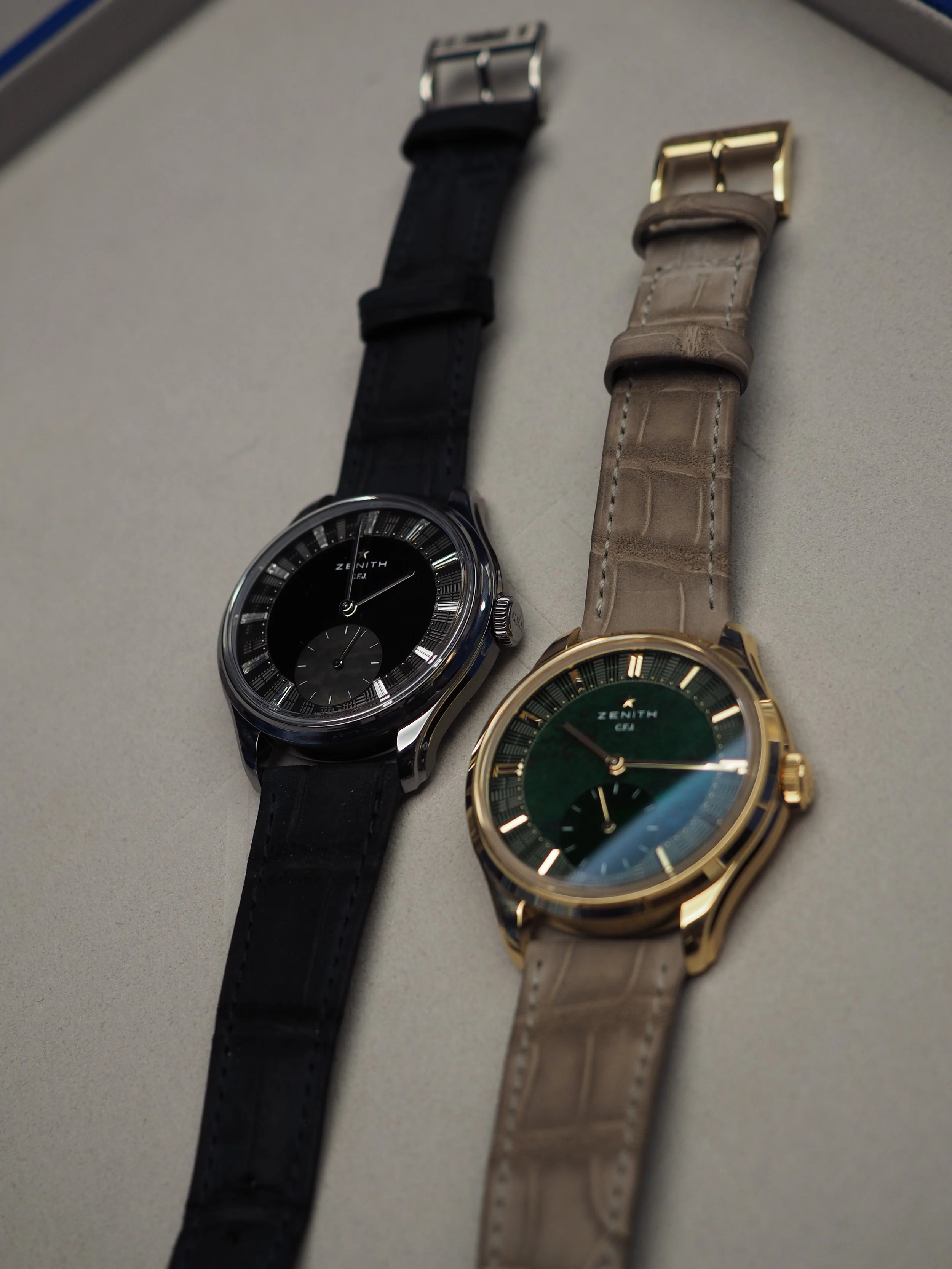
Two of my favourite releases from this year.
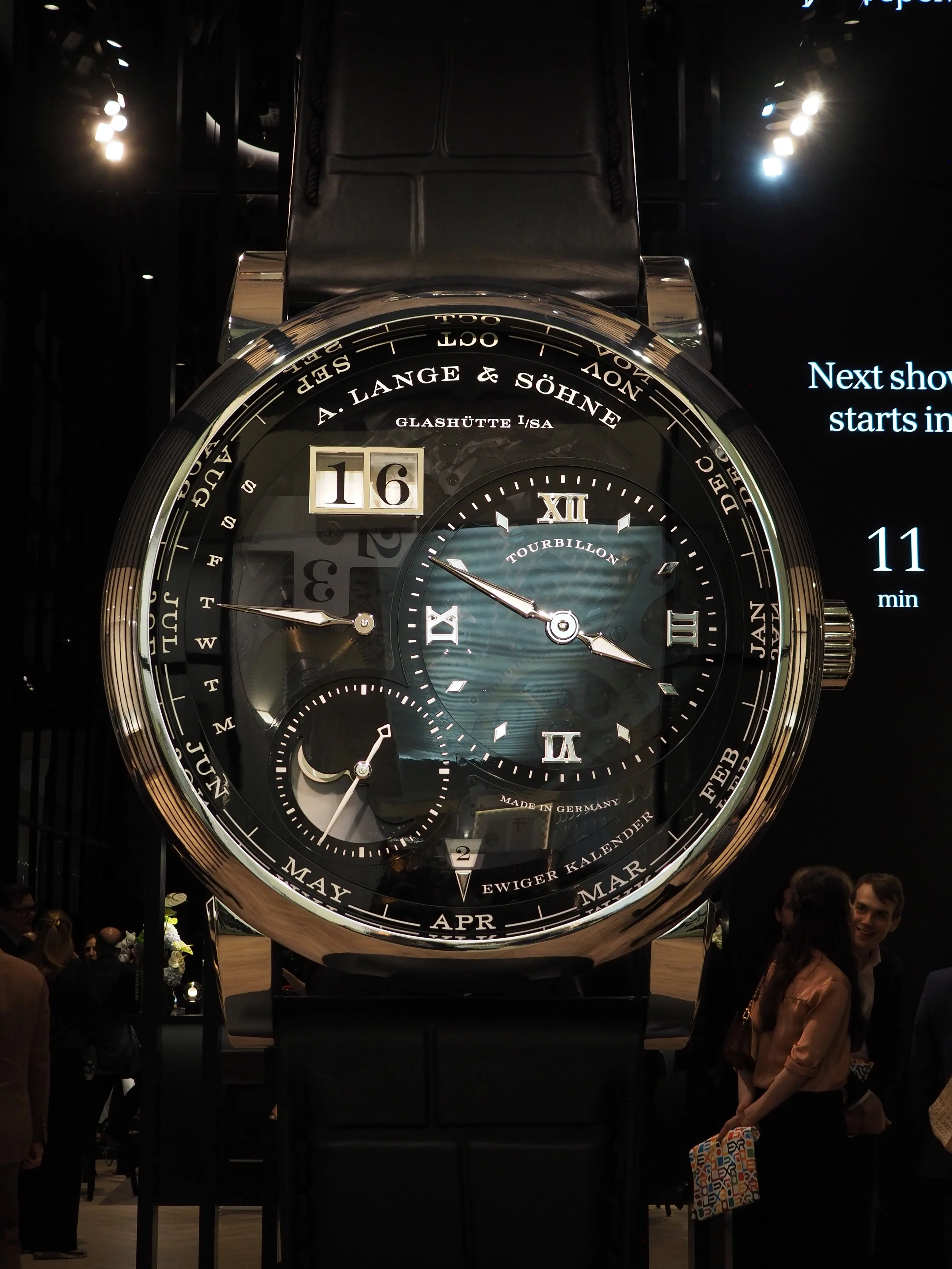
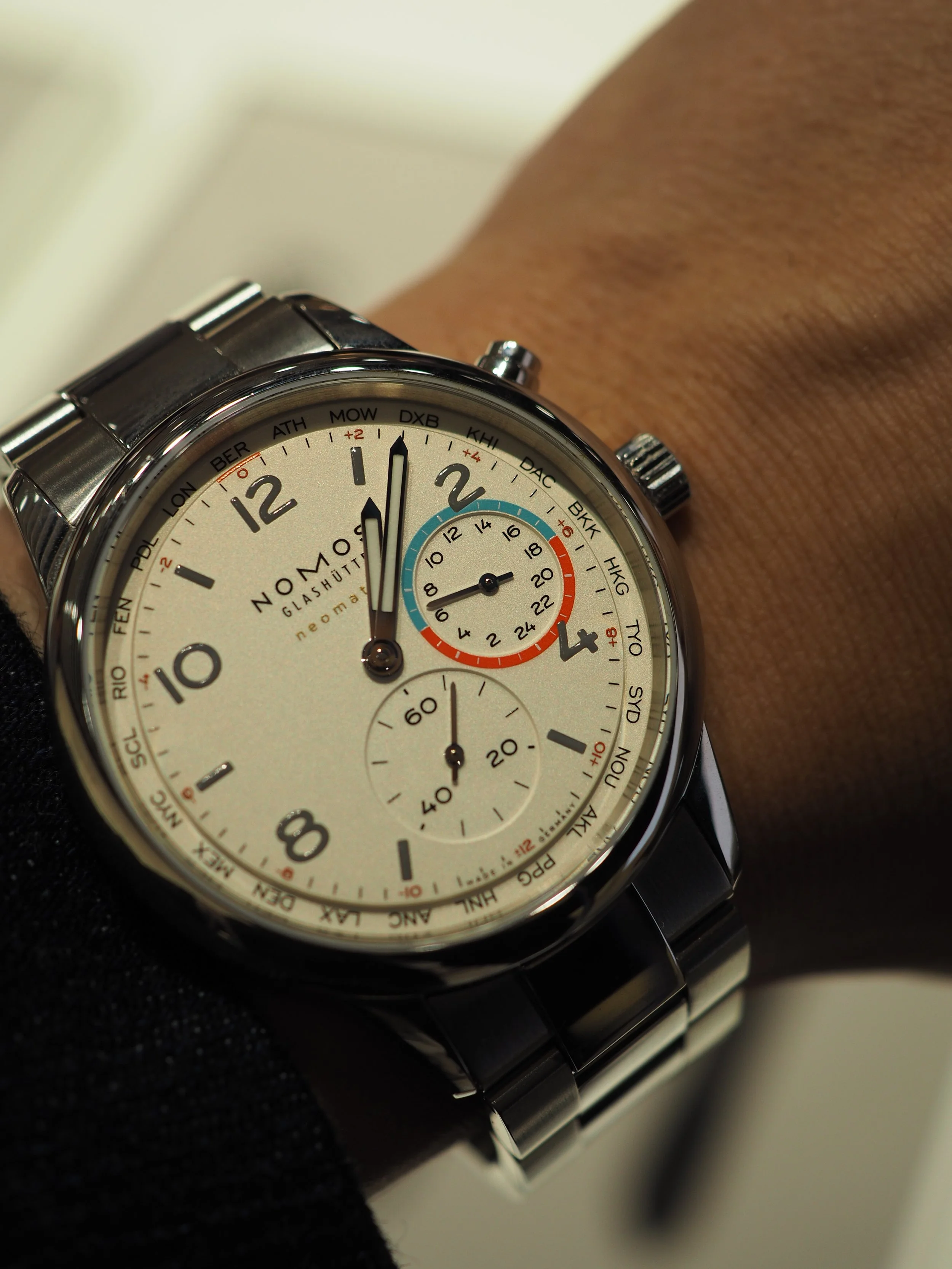
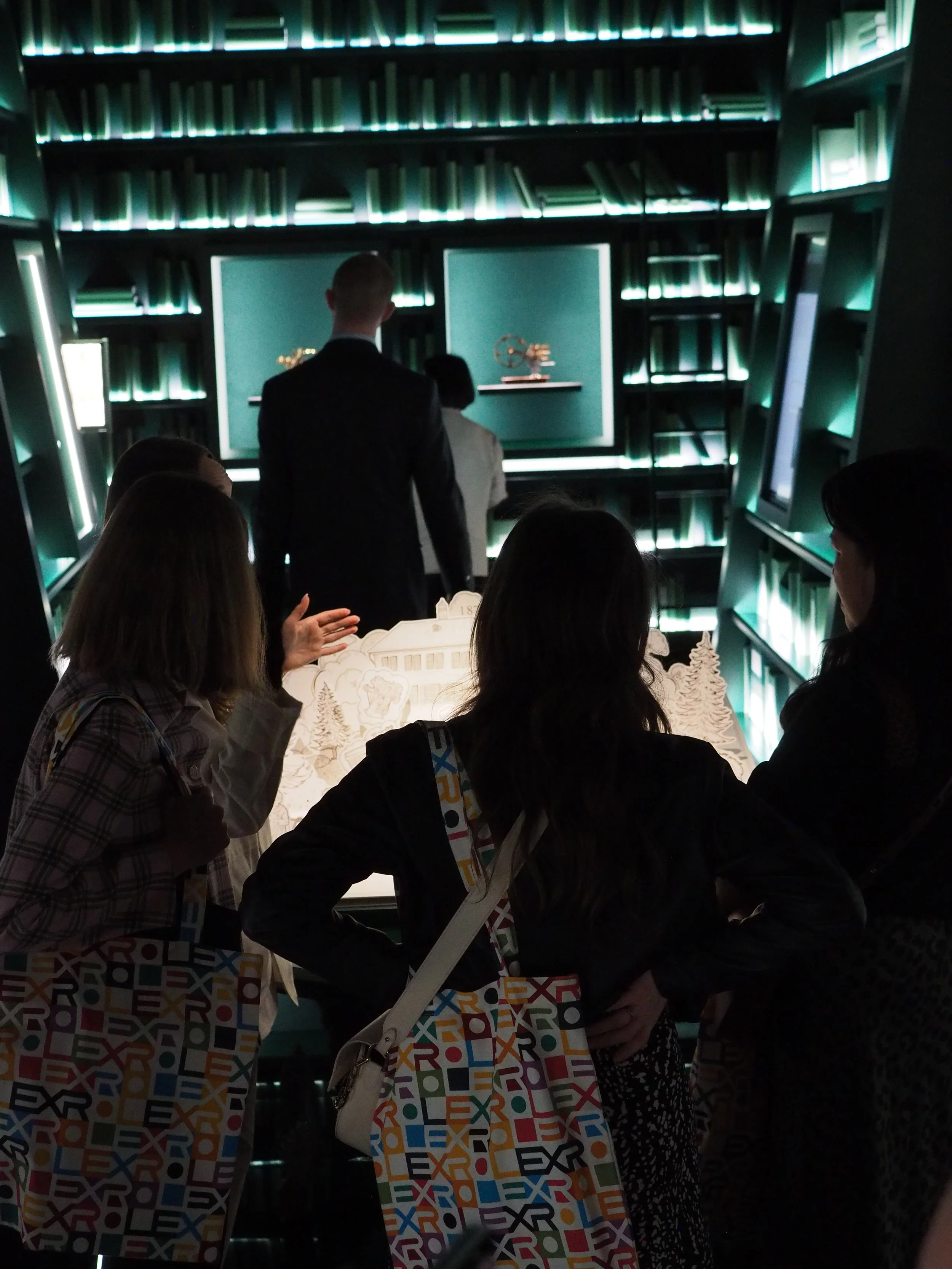
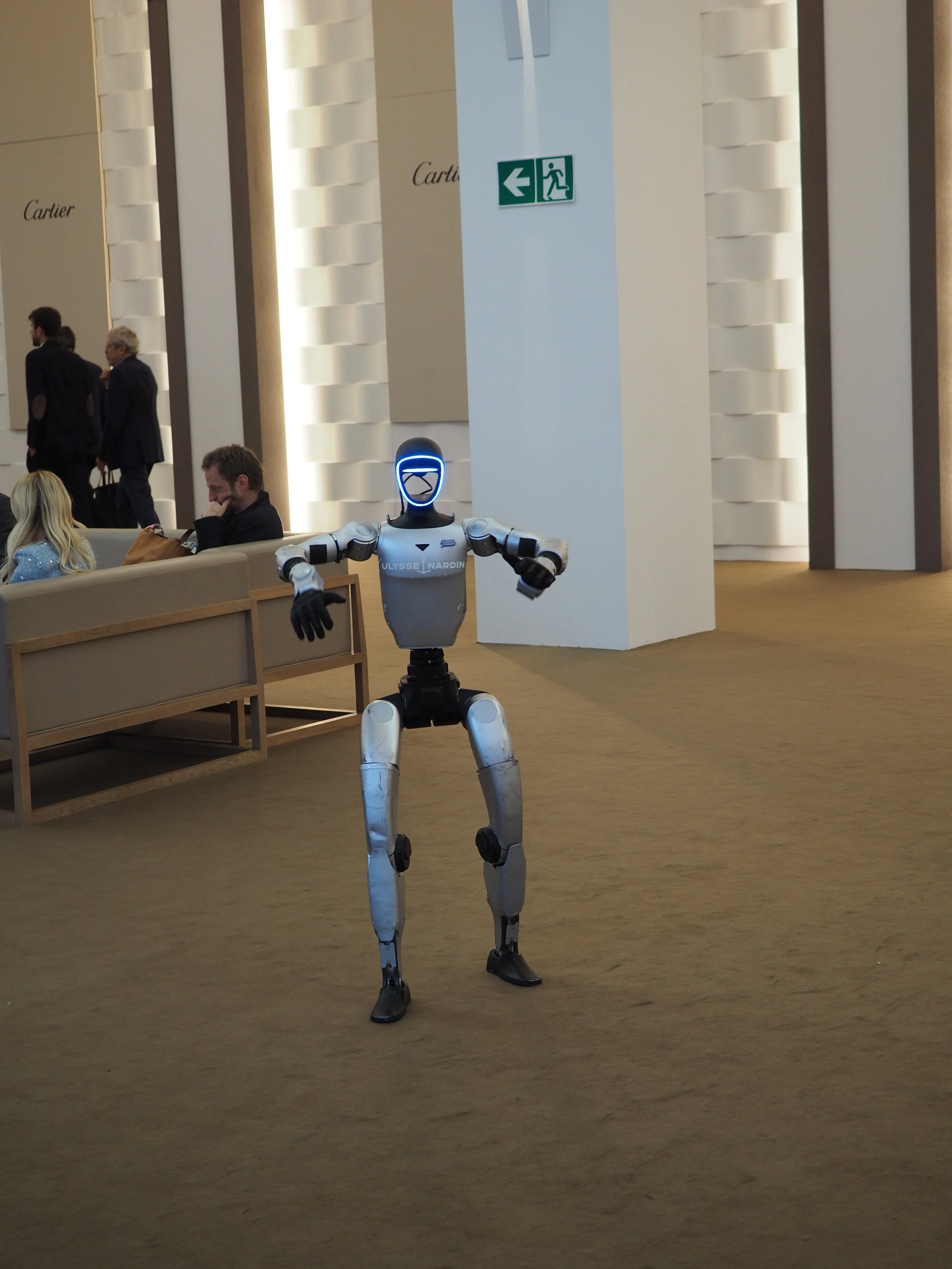
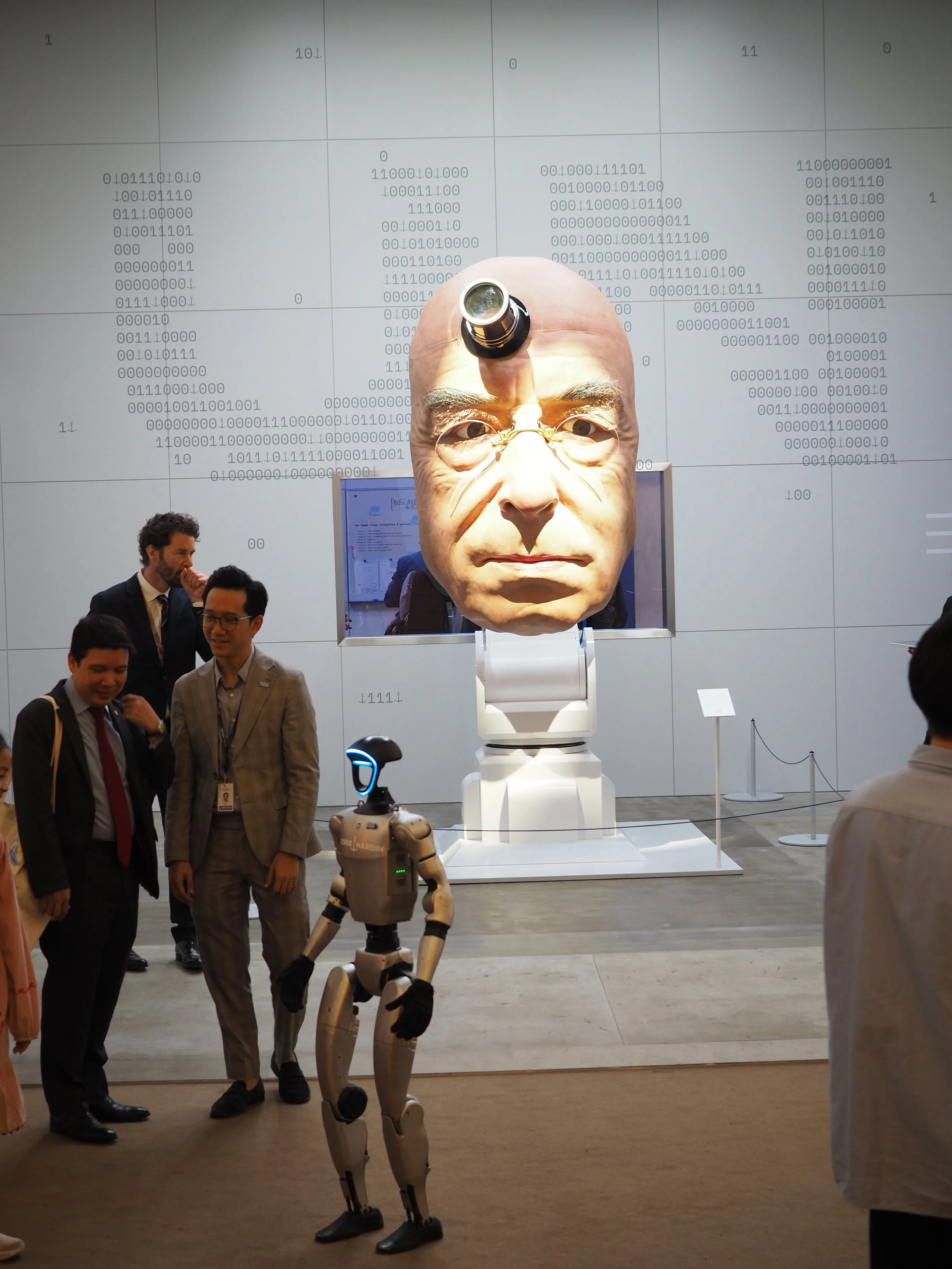
The future is now?
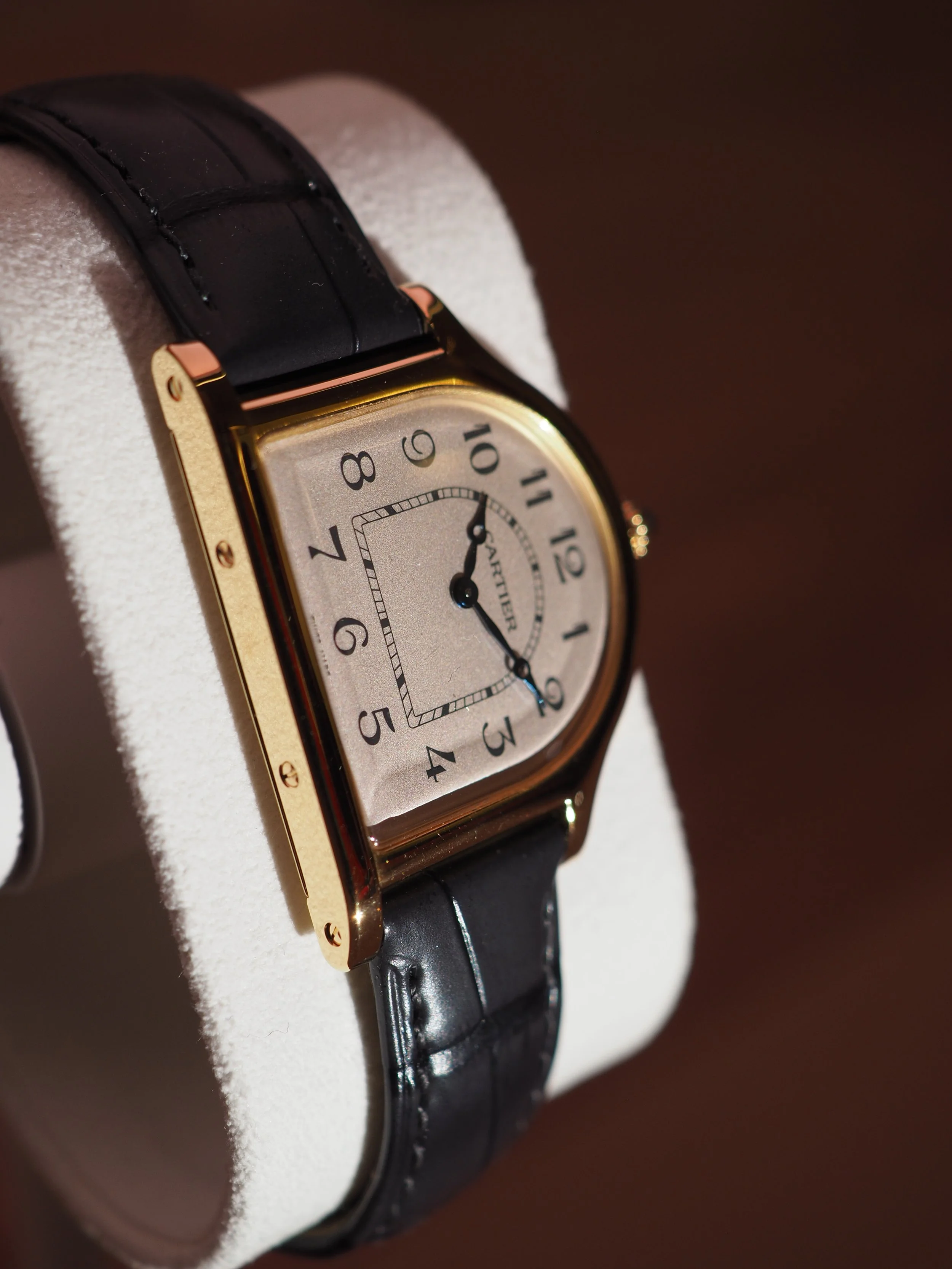
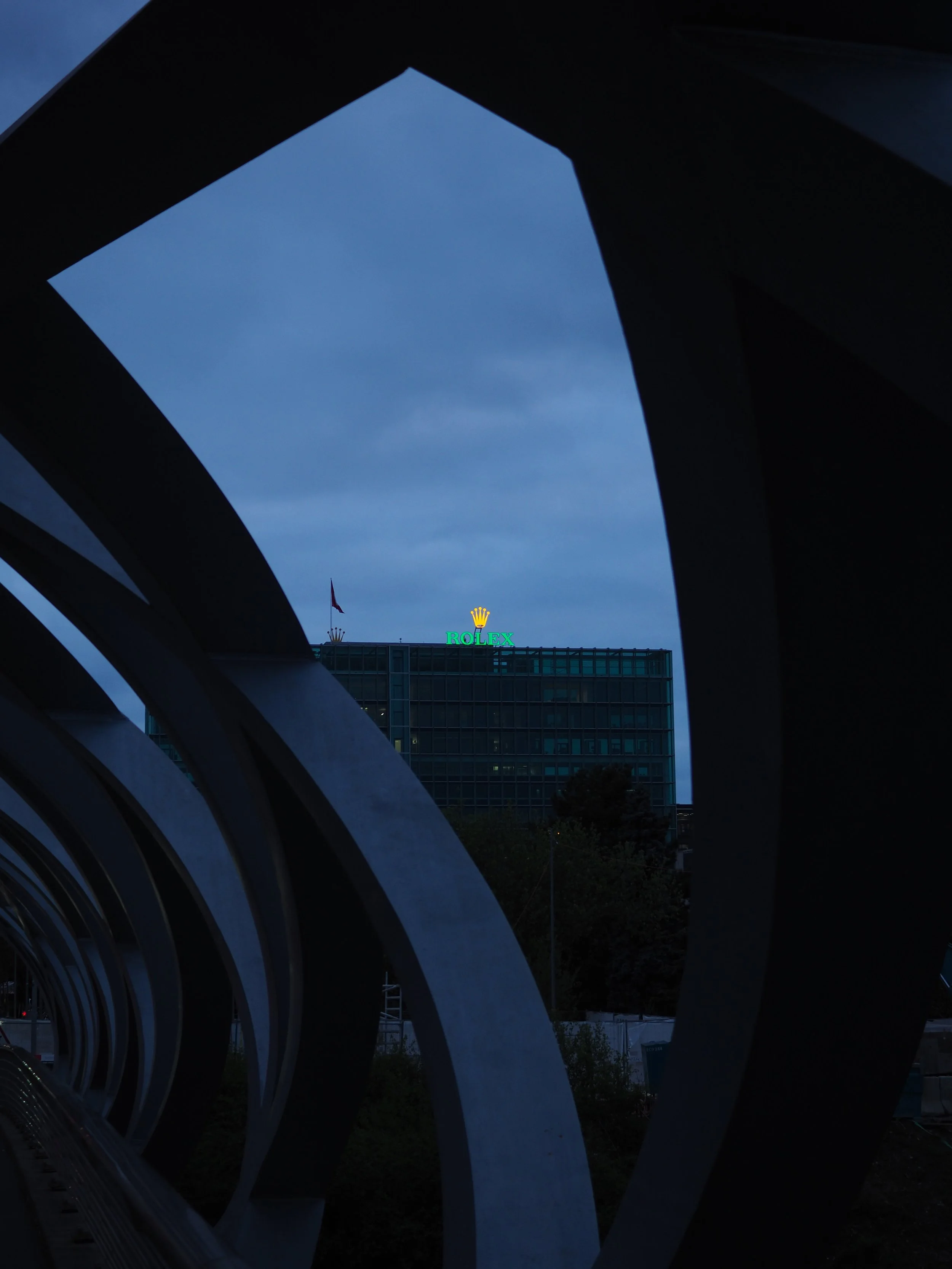
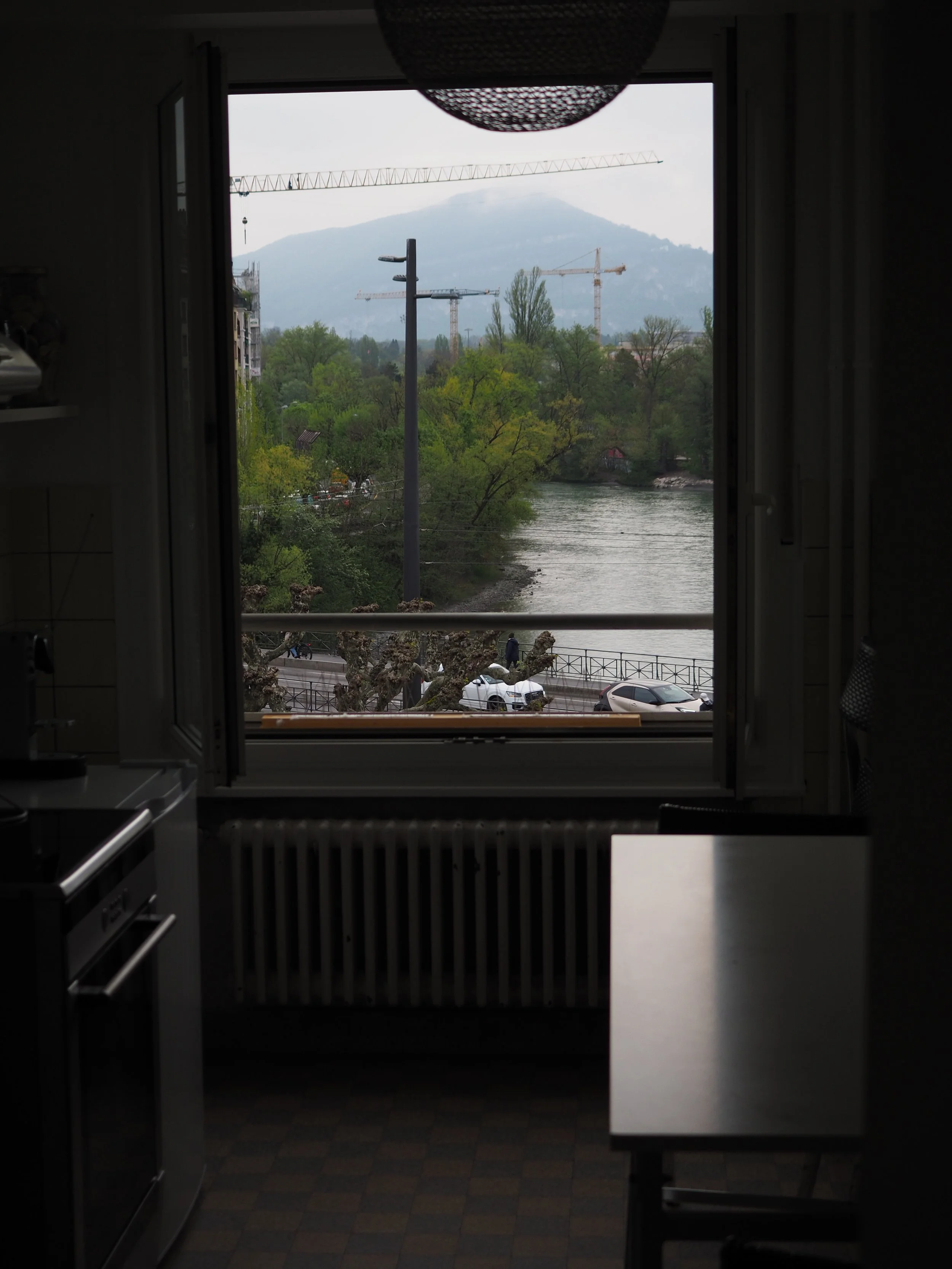
The view from Hans-Wilsdorf bridge.

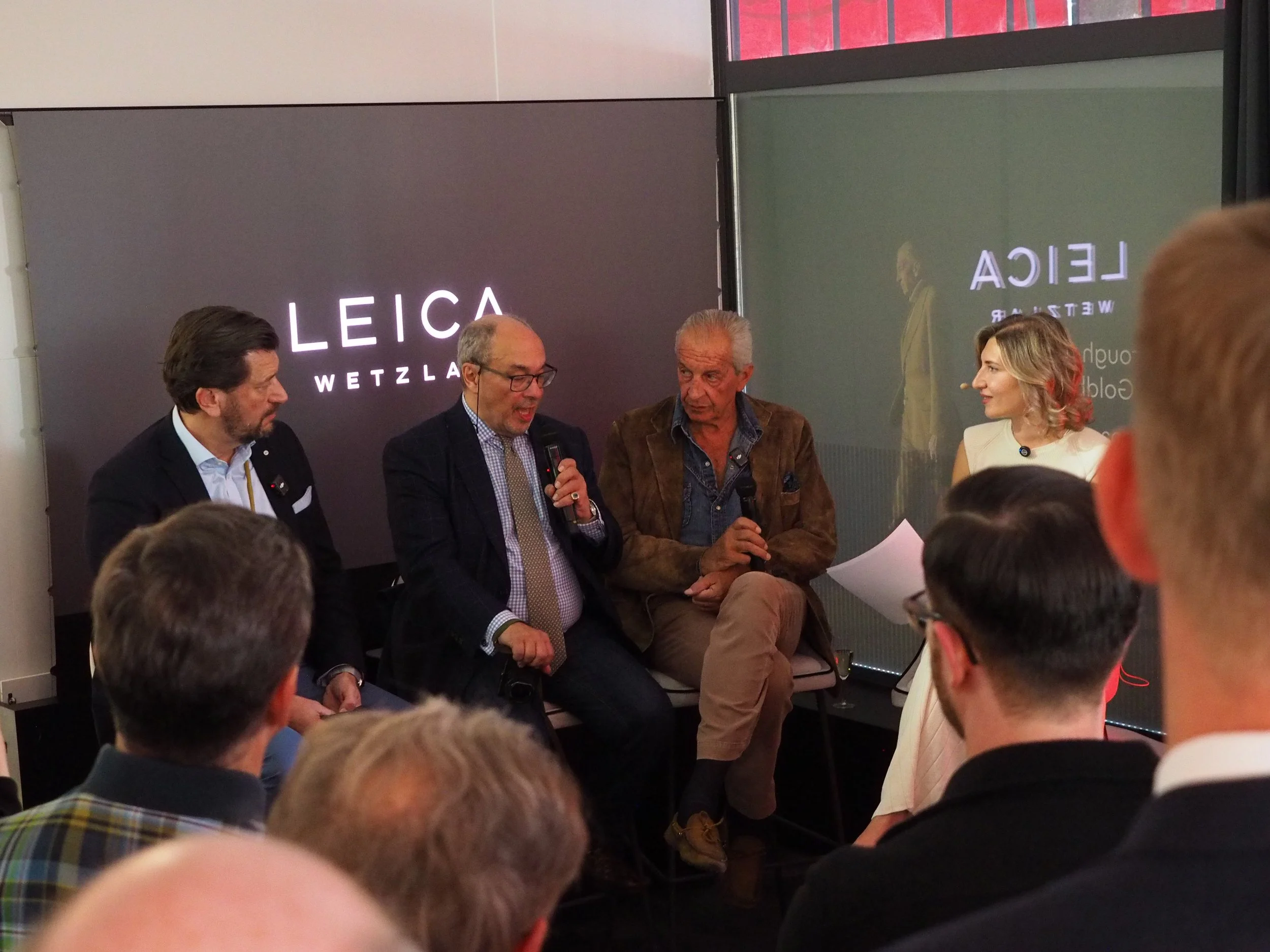
Henrik Ekdahl, Dr. Andreas Kaufmann, Auro Montanari and moderator Ashkhen Longet.
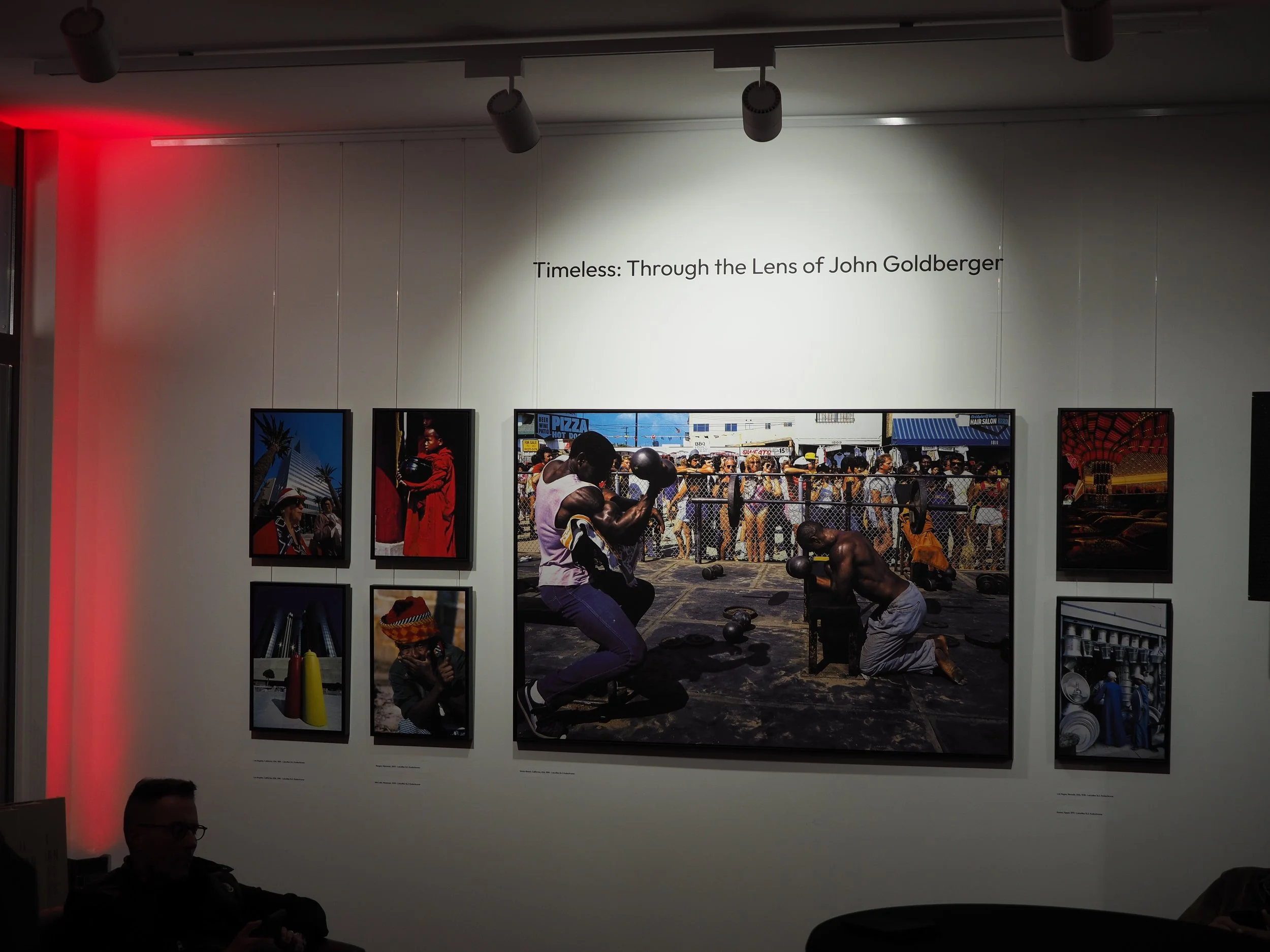
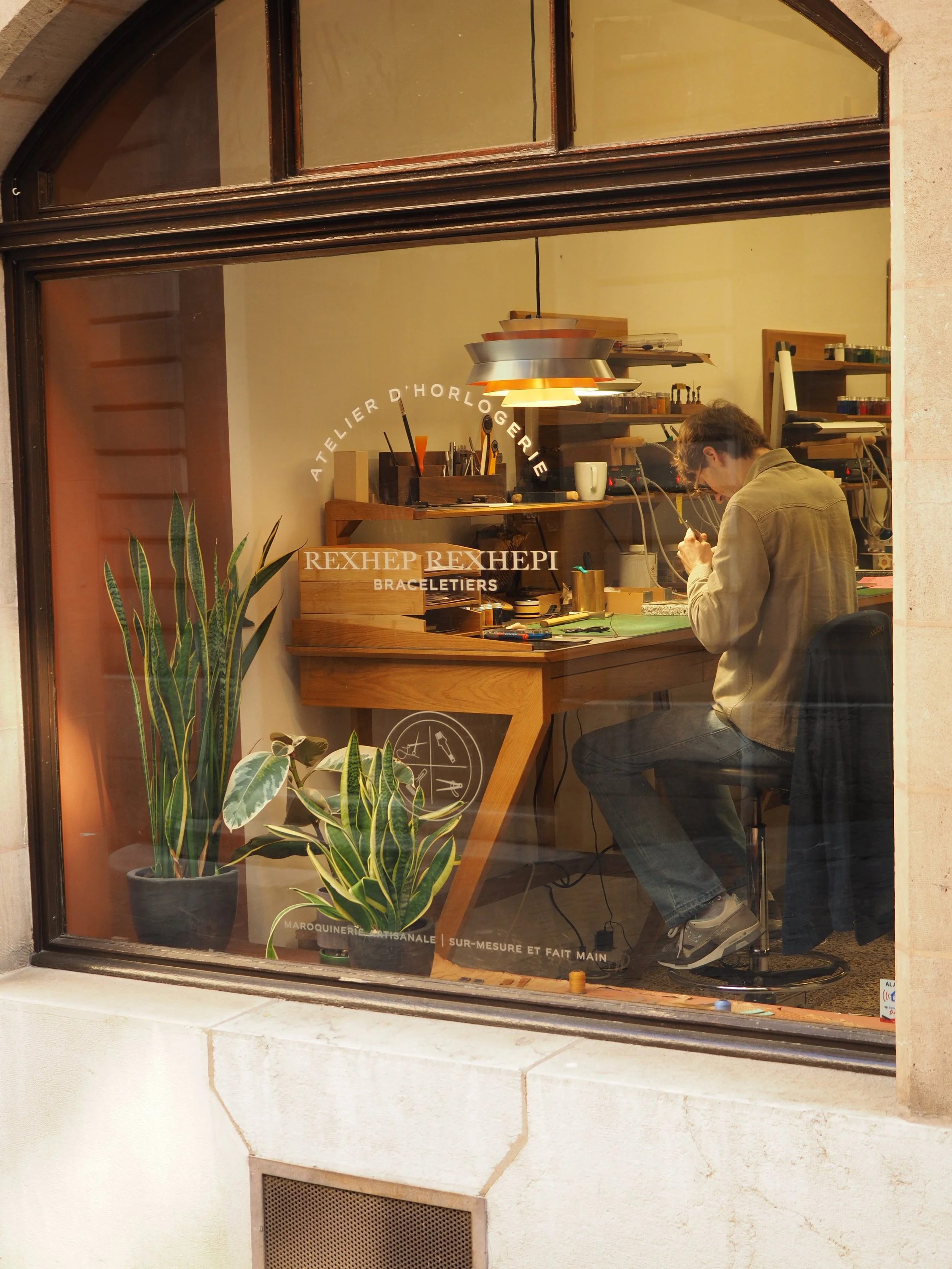
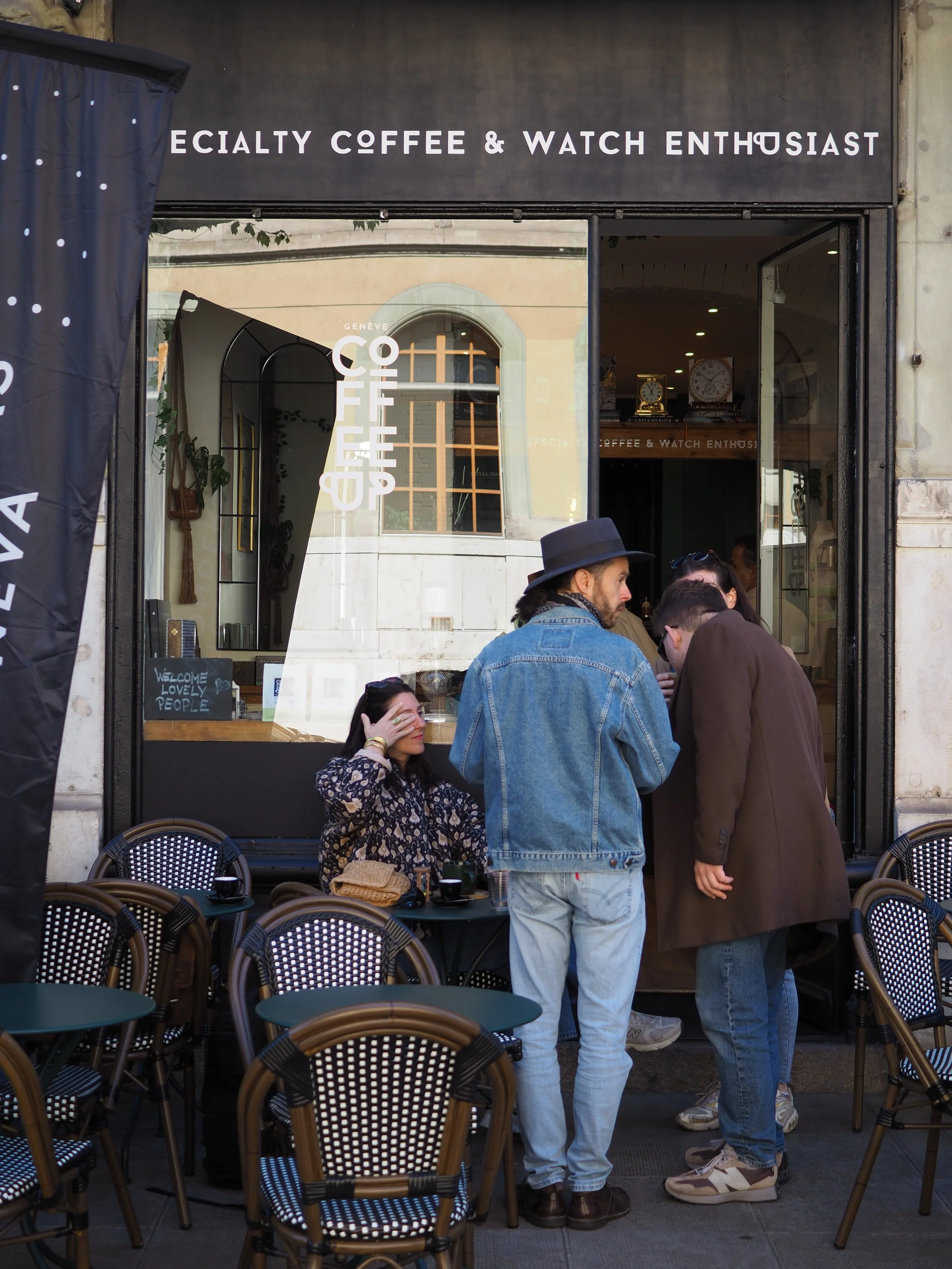
The place to be in Geneva.
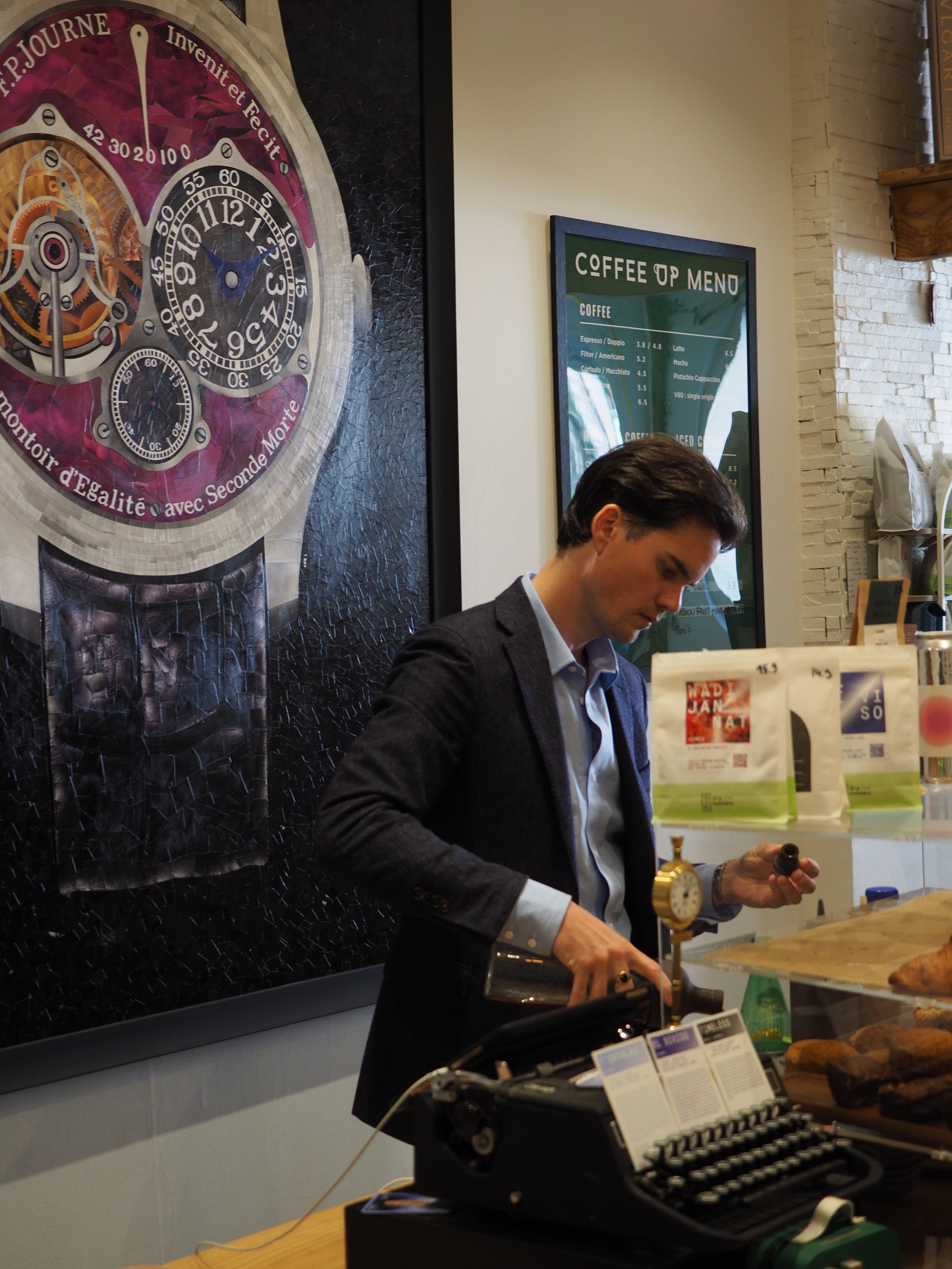
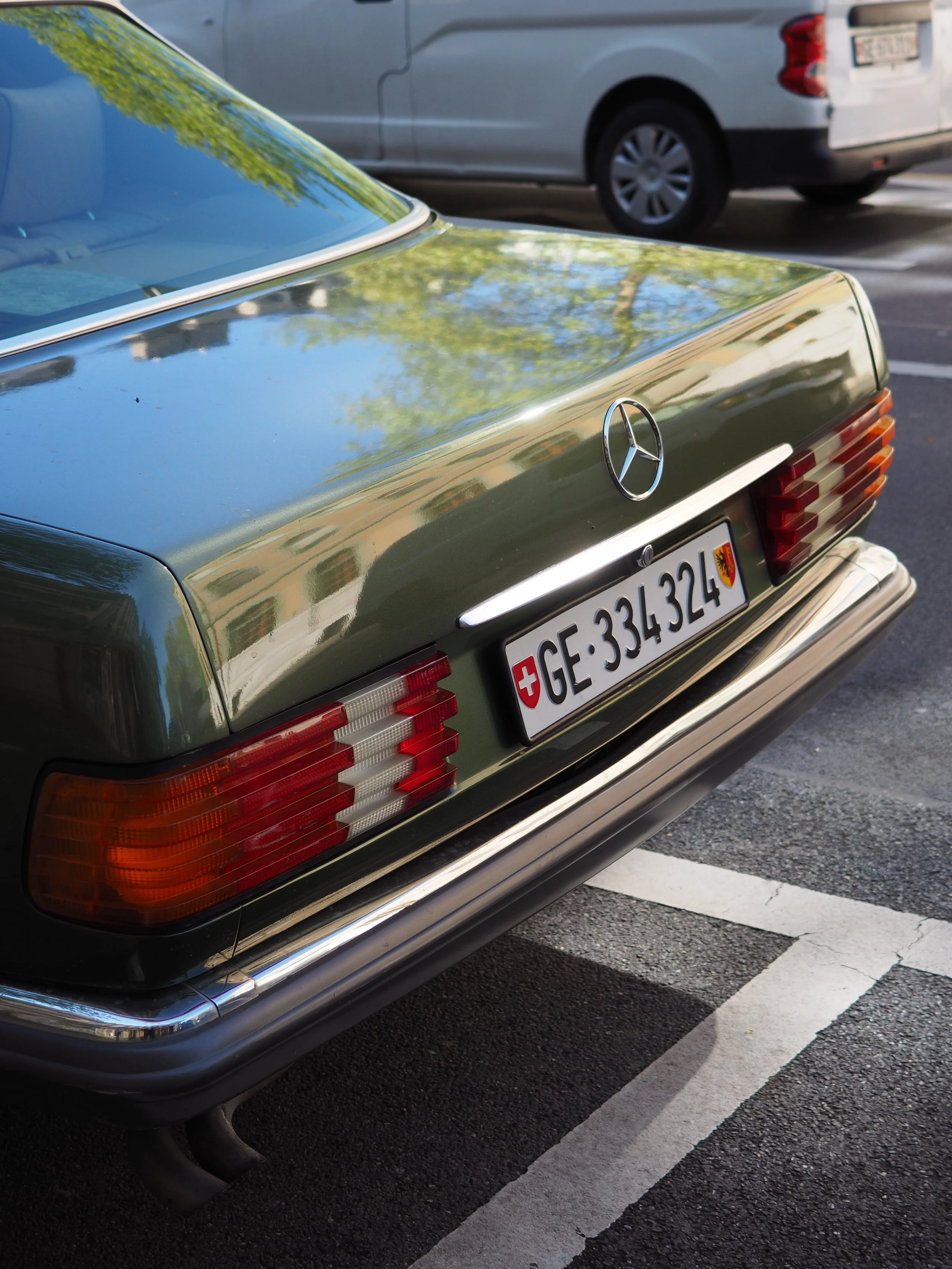
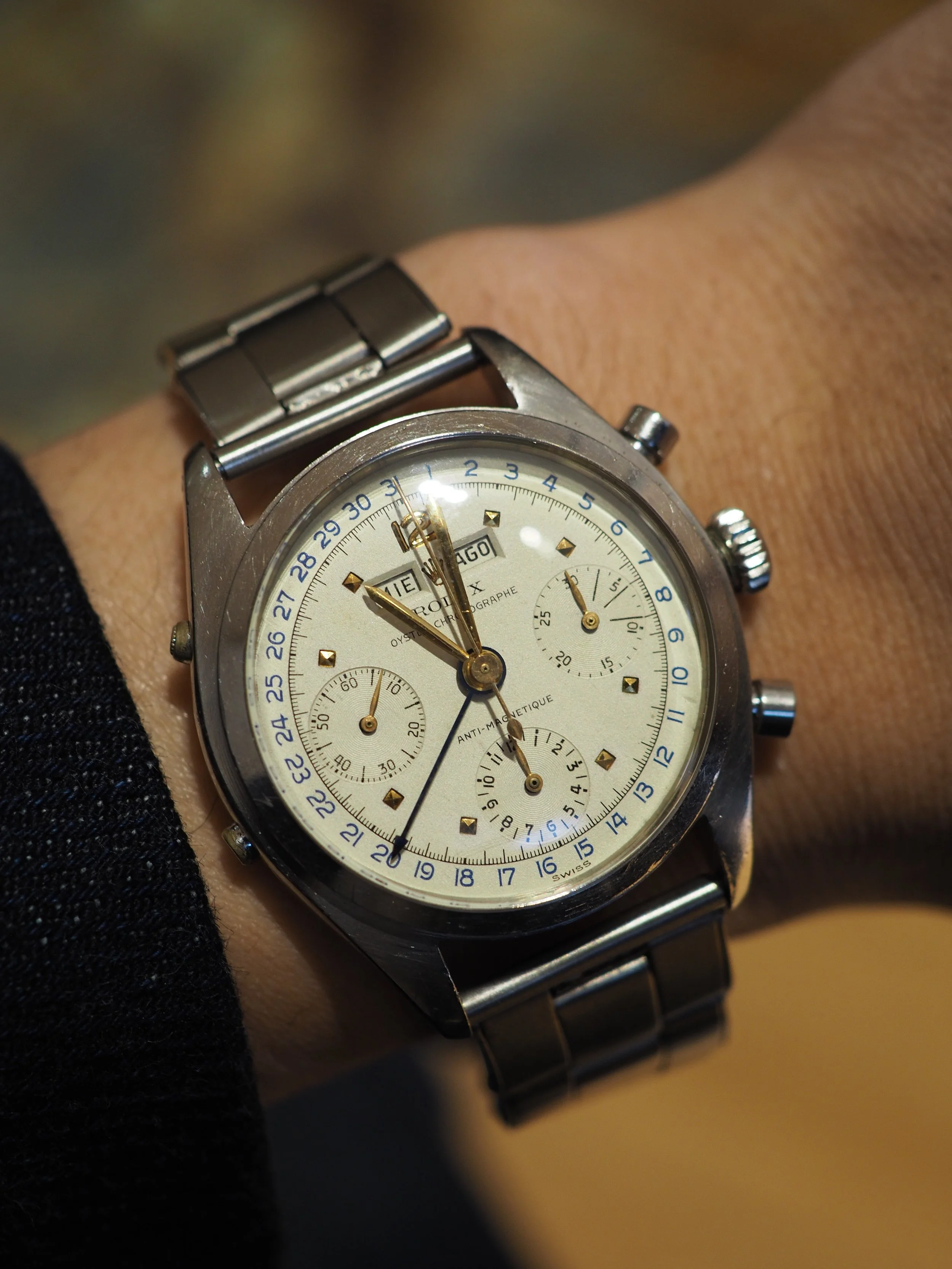
Pristine Killy.