

Let People Enjoy Things
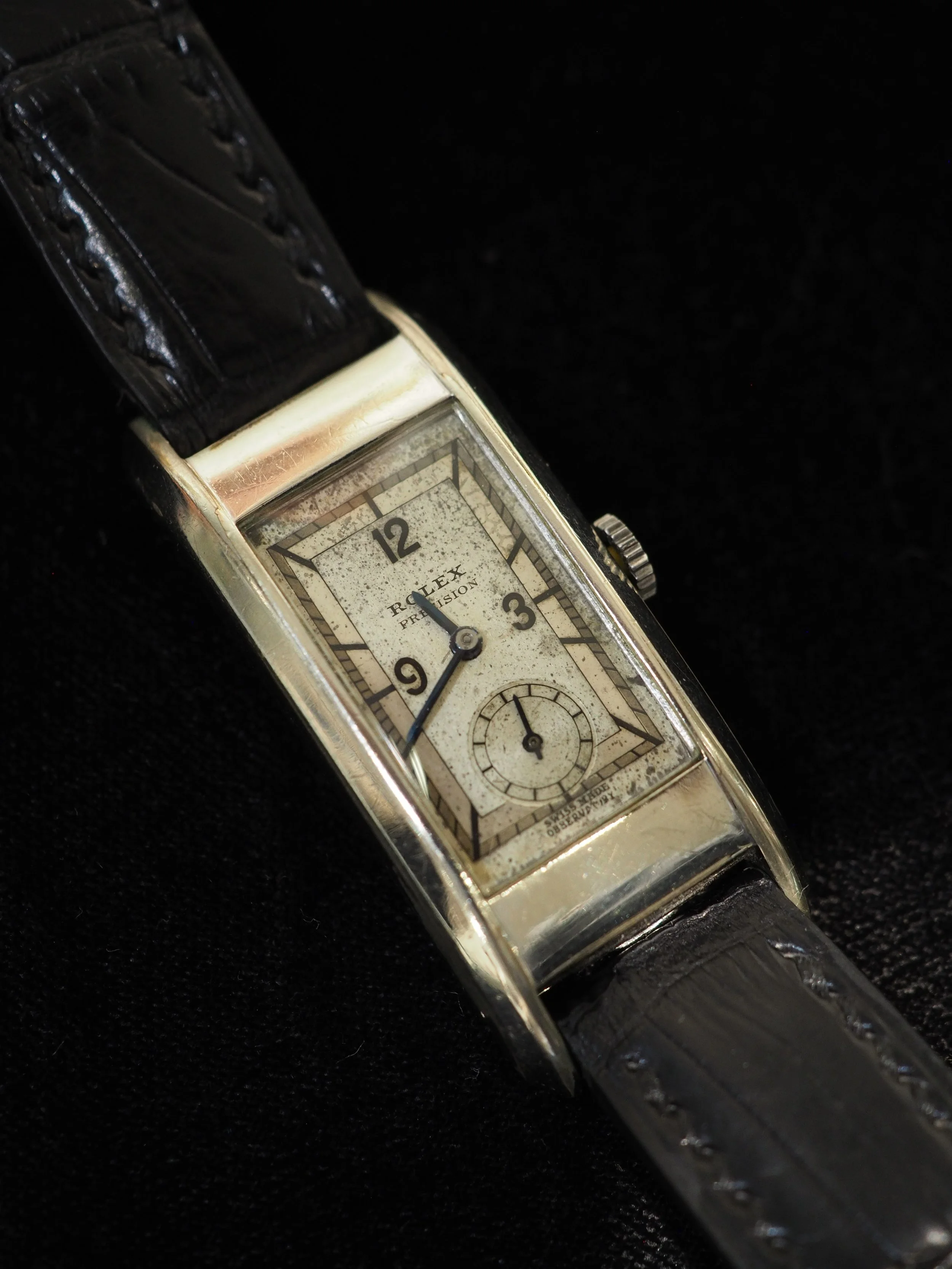
Open the comment section nowadays and you’ll see someone with some experience posts an opinion, usually a mild take, and within an hour it's buried under the same reply repeated a few hundred times. Let people enjoy things. Let people buy what they want. Sometimes it's softened to let people like what they like, as if liking were the thing under attack.


It sounds generous, and I understand why people reach for it. Watch culture has a long history of being unpleasant to newcomers, and plenty of people have been sneered at for buying the wrong thing. If that's been your experience, a phrase that tells the snobs to back off probably feels like a relief.
The trouble is that it doesn't get used against snobs very often. It gets used against anyone who says anything critical at all. Nobody in these threads is stopping anyone from buying anything. Someone offers a view, and the response is to treat having a view as the offence. The conversation ends there (which I think is mostly the point.)
The most recent version I saw was over birth year watches. New York-based vintage dealer, Mike Nouveau posted a reel calling them absurd, and the comments went where you'd expect. What stuck with me was one of his replies, that he'd never had an experienced collector ask him for one. He said it seemed like something people think they're supposed to look for. He gets these requests constantly and turns them down, which costs him business. I don't think you have to agree with every dealer's hobbyhorse to notice that one refusing money over it is telling you something.
The birth year thing is worth looking at properly though, as it's a good example of how a lot of watch buying works when people are starting out.
The appeal is easy to understand. A watch that has been running as long as you have. There's a clear line to it that's hard to argue with emotionally, and it gives you a reason to choose one example over another when you don't yet have a reason of your own.
But look at what the year actually does. It tells you nothing about the watch! Not whether the dial is original, not whether the case has been polished into a soft lump, not whether that reference was at its best or stuck in some awkward transitional run. It just narrows your options to whatever a company made in one twelve month window. And with a lot of vintage pieces, Rolex especially, the year is an estimate anyway. Production dates come from serial number charts that collectors have pieced together over decades, and the ranges are approximate. Papers tell you when a watch was sold, not when it was made. So people pass up a cleaner example of the exact reference they want because its serial lands in the wrong range, and then pay extra for one whose year nobody can actually prove. If you walk into a shop leading with the year, the seller learns more about you than you learn about the watch.
Derek Guy, the menswear writer behind Die, Workwear!, left a comment under that reel that explains this better than I can:
People who are trying to get into something, but haven't yet developed a strong point-of-view or sense of taste, will often rely on rubrics to guide them. This happens often in menswear — someone will buy something because it's 'classic' or 'well-made' or 'good value.' This is often a stepping stone to developing a sense of taste.
What I like is that he doesn't sneer. Rubrics are how most of us start. Someone buys a navy blazer because they read it's a classic. That's completely fine. The hope is that a few years later they own it because they know why they like it, and the word 'classic' has stopped doing the deciding.
Watch collecting is full of these. Birth year is one. Box and papers is another, at least the way it often gets treated, as a box to tick before the watch itself has even been looked at. 'In-house movement.’ 'Holds its value.' 'Iconic.' None of them are wrong exactly, and some of them matter. But they're rules standing in for preferences. When experienced collectors stop asking for birth year watches, it’s not snobbery at all. Their tastes have gotten specific enough that the rule is irrelevant, or worse, an obstacle between them and the watch they actually want.
This is where let people enjoy things does real damage. If you accept that rubrics are a stepping stone, then someone, at some point, has to tell you you're standing on one. That's how people move from buying what they think they're supposed to buy to buying what they like. Shut that down every time it happens and you're not protecting beginners. You're keeping them where they are, paying a premium for a coincidence, because the one person willing to say so got told he was being negative. It doesn't have to be harsh, but it has to be said.
I should be fair about the limits of this. Enjoyment is the whole reason any of us are here, and I don't think every purchase needs to survive a cross examination. If you're hunting for a reference and the one that turns up happens to be from your birth year, that's a lovely bit of luck. I'm not going to pretend that's a moral failing. Liking something and having it criticised can both happen at once. That's sort of my point!
I'd still say no if a friend asked me to help find their birth year watch (not unkindly.) I'd tell them some of what I've said here and point them toward whatever they actually seem drawn to. I say that knowing full well that ten years ago I'd have been the one asking. Back in the forum days I was convinced a birth year watch was something you were meant to own, the same way you were meant to want box and papers, and I couldn't have told you where the idea came from beyond the fact that everyone around me seemed to have it. Nobody talked me out of it. I drifted away from it slowly, somewhere around the point where I started knowing what I liked. I do wonder how much sooner that would have happened if someone had just said it to me straight, and whether I'd have listened, or told them to let people enjoy things.
